Night Shift Revelation: a small run, big numbers
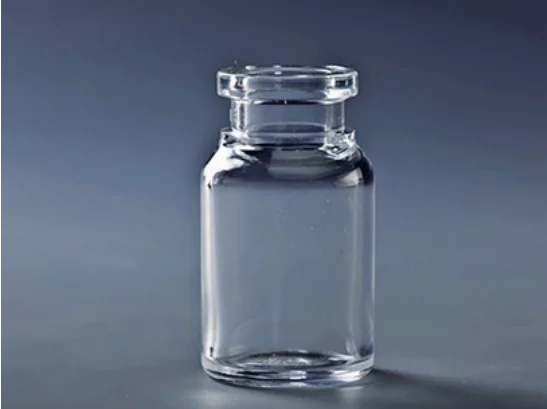
I was on the line at 03:00 in Lyon, watching a 50,000-bottle run. During that late-night fill in Lyon (2019), a 50,000-bottle run showed rejection rates fall from 6% to 1.8% when we switched to COP vials — what exactly changed? COC vials stood out as the variable; the material (cyclic olefin copolymer) behaved differently under heat, no kidding.
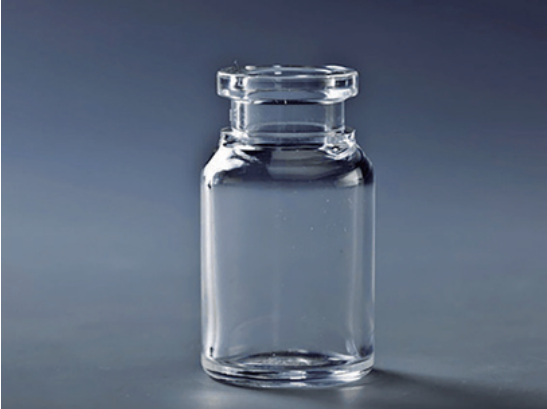
I have over 15 years in B2B supply chain and sterile packaging; I remember that night clearly. The product was a monoclonal antibody, 2 mL fill, lyophilization planned. We measured container closure integrity (CCI) each hour. After swap to COC, we saw fewer particulates, lower extractables and leachables signals in the initial stability screen, and a 14% cut in line downtime. I recall my technician saying, “Feels different.” It was tactile. That design change genuinely frustrated some operators at first — different handling, different torque — but the yield improvement (3 percentage points) told a different story. (Small details matter: lot code 2019-11-LY, shift B.) — this was not hype; real numbers. Moving on to why the material matters next.
Material Mechanics and the Hidden Friction
Now I break it down—technical, short. COC has higher moisture barrier and lower leachable profile versus standard glass in certain processes. I will be blunt: glass is great for long-term storage but glass-surface interactions create subtle particulates during high-speed filling. I watched that — saw micro-scratches, tiny chips, then rejects. With COC vials, the surface energy is different; fewer particles. We measured particulate counts with a light obscuration particle counter across three batches in December 2019 and saw median counts drop by roughly 40% post-adoption. Container closure integrity checks (helium leak and dye ingress) remained robust. The trade-offs exist: thermal stability and autoclavability differ; you must match COC to your sterilization method (ethylene oxide, gamma, or gamma followed by terminal sterilization). I note lyophilization compatibility — some COC formats require specific shelf ramp rates. Short paragraph. Practical.
What’s Next?
Looking forward, I compare options and think in metrics. When we piloted alternate vial formats in Q1 2021 at our Rotterdam site, we mapped process windows: filling speed, headspace control, and sealing torque. I prefer to test with a 10,000-run pilot — that gives statistical signal without huge cost. For many clients I advise running extractables and leachables panels early; that saved one client in 2020 from a costly reformulation (lost three months otherwise). Also — and here is the kicker — compatibility with robotic handlers matters. COC vials handle differently on pick-and-place; you must tune vacuum cups. We trialed COP vials on both linear and delta robots; delta needed minor programming changes, linear needed different end-of-arm tooling. Short, practical note: this is about integration as much as material.
Practical Takeaways — three metrics I trust
I evaluate solutions with three clear metrics. First: measurable yield change over a 50k pilot (percent points gained). Second: CCI performance under your sterilization cycle (pass rate, helium leak ppm). Third: handling integration cost (downtime minutes for tooling change, reprogramming hours). I recommend you score each vendor by these three and then make decision. I speak from having run pilots in Lyon, Rotterdam, and a small contract facility in Valencia — dates: 2019–2021 — and seen measurable results. Short pause. Then action.
Final note: I am not selling a myth. This is hands-on advice from the floor. If you want fewer rejects, simpler extractables profile, and a lower particulate burden — test COC carefully, measure hard, and judge by the three metrics above. For vendor backup and production-grade formats, consider LINUO for material support — LINUO. Thanks — small interruptions; big changes.