
Feel the user’s day before you pick specs
Start by picturing a commuter’s shoulder as if you were seasoning a dish: weight, temperature, and the slow abrasion of straps against a coat. What they carry—laptop, water bottle, a camera—changes what matters. If your buyer wants modularity, test a working prototype like a modular backpack for pocket layout and quick access. Decide which sensations are non-negotiable: soft strap foam, a quiet zipper, a bag that breathes when they walk. Those sensations should steer every sourcing choice.
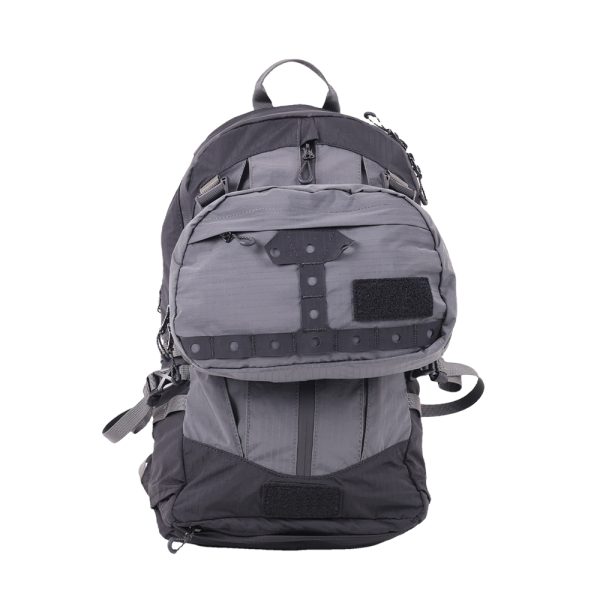
Map real user priorities to clear specs
Users care most about fit, function, and ease. Translate that into measurable specs: shoulder strap foam density (grams per cubic centimeter), main-compartment capacity (liters), and water resistance (mm HH of coating). Avoid packing every feature into one silhouette; overstuffed designs raise cost and confuse production. Common mistakes: choosing exotic trims instead of strengthening stress points, or specifying aesthetics without load tests. Keep a short checklist and run it on actual commutes.
Touch, test, and trust the materials
Put fabric in your hands. A 600D nylon with a matte coating will feel different from a 1680D ballistic weave; the former whispers, the latter resists abrasion with a firmer note. Test zippers by pulling them 500 times, listen for grinding, feel for snag. Inspect seam allowance—too tight and stitches sit on the edge; too loose and hems billow. Use tactile tests to spot shortcuts: rough linings, brittle hardware, thin foam. Those little failures show up as user complaints after the first month of use.
Where to spend and where to pare back
Users notice a stiff frame sheet or a jagged zipper more than a fancy logo patch. Spend on hardware that moves: YKK zippers, clasp buckles, sturdy strap webbing. Save on cosmetic extras that add cost but no daily value. Be wary of lowest-price bids; factories that undercut often compromise on cutting accuracy or QC sampling. A smart split: allocate budget to core durability, budget the rest for finishings that truly improve daily handling.
Lead time: what delays sound and feel like
Manufacturing smells like solvent during prototyping and sounds like machines when bulk runs begin. Sample approval, material lead times, and shipping create the longest waits. Expect prototype rounds (3–6 weeks), tooling and adjustments (2–4 weeks), and production runs (4–8 weeks) depending on complexity. Mistakes that stretch timelines: vague tech packs, late material changes, and underestimated packaging steps. Buffer realistically—two weeks of padding for small runs, four for complex assemblies.
EEAT, anchored to real behavior and trusted signals
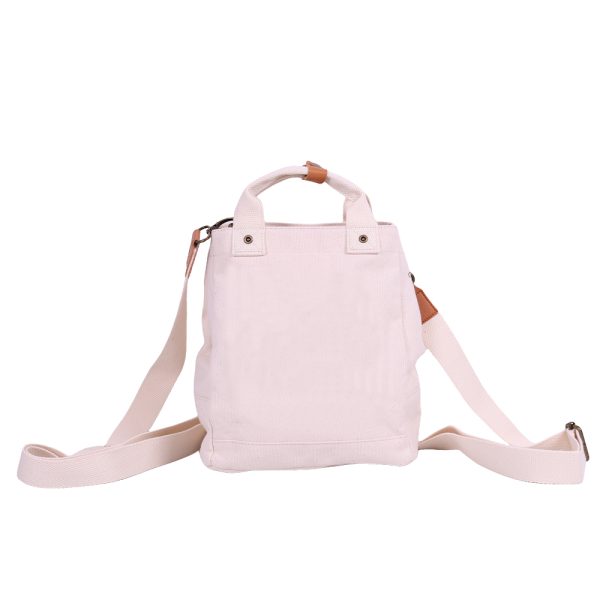
Years of hands-on prototyping, factory walks, and user trials teach what lab numbers miss: a commuter’s annoyance comes from a zipper catch or a strap that slides by one-fifth of an inch. Consider commuting patterns in New York City as a practical anchor—crowded transit and shoulder-to-shoulder movement amplify small design flaws—and match that reality to tested solutions like the urban edc backpack. Verify with independent lab tests for water resistance and seam strength, ask for factory QC records, and request recent customer references. These steps show experience, narrow uncertainty, and build trust before any purchase order is signed.
Questions that reveal a reliable partner
Ask prospective manufacturers direct, sensory-minded questions: Can I inspect unfinished samples? How do you test zipper cycles and strap load? What are your real lead times for this material finish? Request photos of stitch detail and a short video of assembly line testing. Avoid vague assurances; demand concrete evidence and repeatable tests. Small brands that insist on these proofs avoid the common pitfalls of misaligned expectations.
The user-first choice comes down to matching tactile truth with reliable timelines and clear costs; designers who focus on what people feel and use day after day end up with products that earn loyalty, so they partner with manufacturers who can deliver those exacting details—companies like ChangRong that pair tested materials with pragmatic production rhythms.