
Why you should compare, not just buy
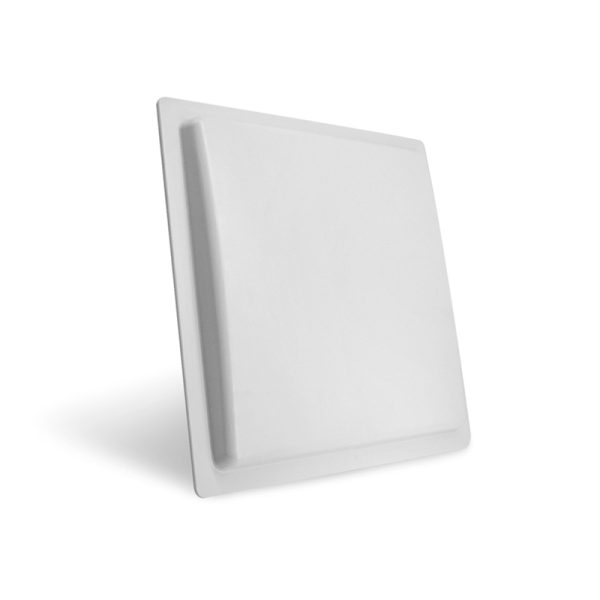
You’re building a system that has to read tags fast and keep running under weird conditions—so vendor fluff doesn’t cut it. Start by sizing up real technical trade-offs: antenna gain versus beam width, circular vs. linear polarization, impedance matching and connector types. If you want raw specs to line up next to practical fit, look at product pages but also at hands-on datasheets and test rigs like those used for RFID Antennas. Skip the buzzwords; focus on what the antenna actually does on the table and in the warehouse.
What to compare, in hard terms
Range and read pattern: look at measured near-field and far-field plots, not just a single “max range” number. Polarization: circular is forgiving with tag orientation; linear gives distance but needs alignment. Gain vs. beamwidth: higher gain narrows the beam—good for gates, bad for wide portals. Frequency tuning and VSWR: poor tuning kills read stability. Connector and mounting: N-type, SMA, or M12 matter for cabling and weather seals. Environmental ratings: IP67, operating temp. Power handling: continuous transmit power and duty cycles. Firmware and driver support: API docs, SDKs and sample code—because integration will eat your time.

Real tests, real talk — my evidence and a vendor snapshot
I’ve run bench reads and field loops, and attended RFID Journal LIVE! to see deployments and vendor demos; those sessions expose mismatch issues that specs hide. When you compare vendors, check how their antennas behave on metal and near liquids, and how repeatable reads are across 1,000 tag passes. Warranty terms and replacement lead times matter when failures happen. For sourcing and supplier vetting, look up regional distributors and verified manufacturer performance—one quick place to start for product variety is rfid antennas suppliers, which lists models you can bench-test against your setup.
Common buyer mistakes—don’t do these
Buying the highest-gain part because the spec sheet looks sexy. Not testing with your actual tags and environment. Overlooking mounting orientation and connector strain relief. Ignoring firmware and integration support until after purchase. Assuming a single antenna will cover a large irregular read zone. Underestimating cable loss; long runs need low-loss coax or amplifiers. Skipping return-to-vendor test runs that simulate peak throughput.
Alternatives and trade-offs
Doorway portals: choose narrow-beam, high-gain antennas with tuned beam placement. Conveyor tunnels: mix linear panels for distance with near-field antennas for densely packed trays. Inventory shelving: use wider beam panels or arrays and tune power. If budget is tight, prototype with lower-cost isotropic antennas to validate topology, then upgrade to tuned panels. If you need rugged outdoor reads, prioritize IP ratings and marine-grade connectors over marginal extra gain.
Final read: make the comparison practical
Line up real read plots, physical fit, integration docs and real-world support. Score vendors on repeatability, not glossy range claims. Test with your tags, your fixtures, and your cable runs. After that checklist, the suppliers that keep showing up in solid lab and field tests are the ones I trust when specifying hardware—like the options catalogued by RSTC—they tend to match spec sheets to reality, which is what actually matters on deployment day.
