
Introduction
What happens when your lab’s sample load suddenly doubles and you still need results tomorrow? I ask because I’ve watched teams scramble when throughput spikes—turnaround times jump 40%, error flags go up, and stress follows. Automated nucleic acid extraction sits at the center of that pressure: it promises speed and repeatability, yet the real-world gains depend on scarce details like deck layout, reagent stability, and protocol tuning. (I often run small benchmarks to see how a tweak changes yield.)
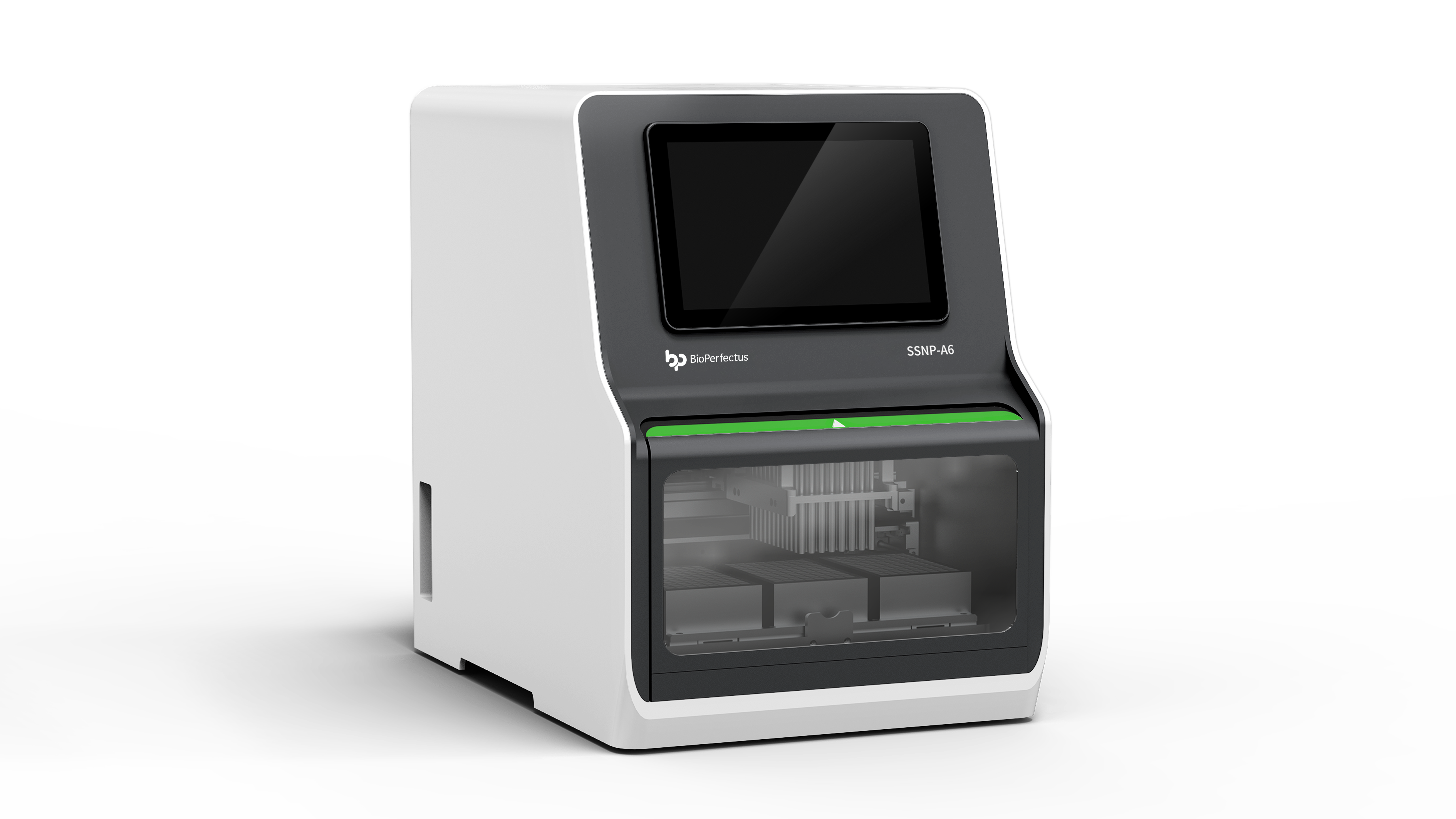
Here’s the scenario I keep returning to: a mid-size clinical lab processing 300 to 700 samples per day. Data from a week of mixed runs showed a 22% variation in extraction yield and a 12% difference in hands-on time across operators. So I start with three metrics — yield, throughput, and failure rate — and ask: which bottleneck will bite first? That question frames everything. Next, I’ll dig into where systems actually fail and what users quietly complain about — the stuff that rarely shows in vendor specs.
Hidden Frictions in the dna extraction machine Workflow
What’s failing in practice?
I’m blunt here: specs are optimistic. A dna extraction machine on paper lists throughput and purity numbers. In the lab, magnetic beads stick, liquid handling robots misalign, and PCR inhibitors sneak through. These are real failure modes. I’ve seen runs where subtle pipette offset led to cross-contamination. Look, it’s simpler than you think — often the culprit is a small mechanical drift or a reagent lot change.
Technically speaking, two classes of problems dominate. First, mechanical and integration issues: deck calibration, tip pick errors, and clogged tubing. Second, process drift: reagent degradation, incubation timing, and inconsistent wash steps that raise PCR inhibitors. We measure this with simple metrics — coefficient of variation for yields, failed well rate, and time-to-ready per run. When I analyze logs, automation scripts often mask the drift instead of fixing it. The fix is not always more expensive gear; sometimes it’s better error reporting and tighter SOPs. I prefer concrete changes: adjust mixing cycles, add a verification pause, or standardize lot records. Those moves cut failures more reliably than hype.
Future-Proofing: Principles and Practical Metrics
What’s Next
Looking forward, I favor practical principles over buzz. New technology principles that genuinely help labs include modular automation, closed-loop monitoring, and simplified maintenance workflows. A modular dna extraction machine lets you scale throughput by adding a module rather than replacing the whole system. Closed-loop monitoring gives you early warning (sudden drop in yield? check reagent temp) so you fix problems before they cascade — funny how that works, right?
For labs choosing a path, I advise three simple, measurable evaluation metrics — because metrics keep vendors honest. First, validated throughput under mixed sample types (not just ideal runs). Second, mean time between failures (MTBF) for consumable handling and instrument mechanics. Third, the ease of protocol customization measured in minutes to deploy a validated change. If I had to pick one, I’d weight throughput and MTBF equally. Also consider support responsiveness — downtime is real cost. In short, pick systems that solve the day-to-day headaches, not just the press release numbers.
I’ve worked with teams that moved from constant firefighting to predictable schedules simply by tracking these metrics and enforcing small process changes. We cut re-run rates, reduced hands-on time, and regained evenings. For practical options, see solutions at BPLabLine — I mention them because I’ve evaluated their instruments and found the reporting features helpful in a busy lab.
