Comparative Choices in the Real World
Bold moves save time, but side-by-side thinking saves projects. Aluminum Composite Panel shows up in your spec sheet as a neat line item, yet it decides how your facade behaves for years. On site, a foreman weighs two bids under the clock, while the rain clouds gather. Reports say that a big slice of rework comes from early product mismatch—choices made fast, not smart. So, if we compare options like we compare fuel economy or roof load ratings, why not do the same for cladding, sawa?
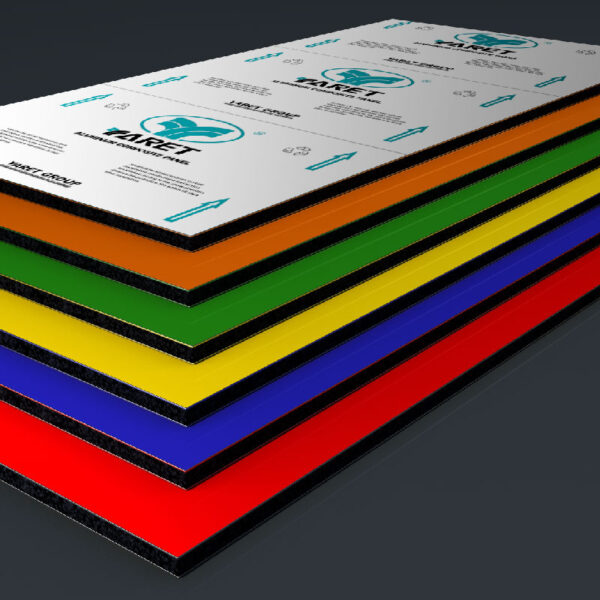
Here is the picture: two towers, same budget, different panel systems. One sings in wind and sun. The other buzzes with issues six months in. Data on finish life, thermal movement, and install time is there—often scattered, sometimes hidden in footnotes (kweli). The question is simple: which signals should guide the decision before the lift goes up? Let’s walk the comparison slowly, then move with speed where it counts—pole pole, then piga kazi. Next, we set the baseline that many teams miss.
The Hidden Pain Points No Brochure Tells You
Where do the hidden costs start?
This is the quiet truth: specs often focus on face value, not lifecycle behavior. When you choose aluminum composite metal panels, the brochure highlights color and price. The deeper layer is movement, interface, and weathering. A panel with a strong PVDF coating can still fail if the subframe lacks proper thermal expansion joints. A non-FR core might pass a simple test but struggle under a full assembly check. And if a rainscreen gap is too tight, trapped moisture will talk back—funny how that works, right?
Look, it’s simpler than you think. Pain points hide in installation tolerances, corner fabrication, and sealant selection. Small bends, like at returns, can exaggerate oil-canning if the modulus and panel thickness don’t match the wind zone. Field cuts can nick the coil coating and start edge creep. Fasteners that are “almost right” can telegraph through the face in cold snaps. None of these show up in a glossy shot. They show up on punch lists and warranty calls.
What’s Next for Smarter Cladding Decisions
What’s Next
Forward-looking choices combine new principles with plain comparisons. New FR cores spread heat differently and pair better with validated assemblies, reducing risk in NFPA 285-style scenarios. Updated coil coating lines lay down more consistent PVDF layers, with tighter film build tolerances. Sensor-guided bending keeps panel flatness steadier at corners—less oil-canning, fewer returns to rework. When you model subframes in BIM, you can set thermal breaks and expansion slots with rules, not guesswork. This is where aluminum composite panels separate on real metrics—durability, install efficiency, and lifecycle cost. Different paths, different results. Period.
So we compare, apples to apples: install hours per square meter, finish fade under UV cycles, and fastener count per bay. Semi-formal, yes, but practical. A better rainscreen detail means drier walls and calmer occupants. An FR core with proven assembly data means fewer sleepless nights for the GC. And a clean expansion joint detail means facade lines stay crisp in summer and winter—no drama. From earlier we learned where pain hides; now we aim where gain lives.
Advisory close, short and clear: use three metrics before you sign. (1) Assembly-level fire validation and FR core data, not just a single-sheet test. (2) Coating durability with PVDF warranty terms tied to UV exposure zones. (3) Installed system performance: expansion joint design, subframe compatibility, and rainscreen airflow. Do this, and your “compare-first” habit turns into fewer callbacks and a longer, quieter facade life—ndio. For deeper specs and category insights, see yaret.