
Start with what you carry, not what you like
Think of the bag as a protocol for your kit: it should fit the camera bodies, the one or two lenses you actually use, and the accessories you reach for without thinking. Measure your longest lens, note whether you lug a laptop, and imagine the weight on your shoulders after a six-hour shoot. A compact camera gear bag that organizes gear into predictable pockets saves time on location and keeps you shooting instead of rummaging.
Features that matter to real users
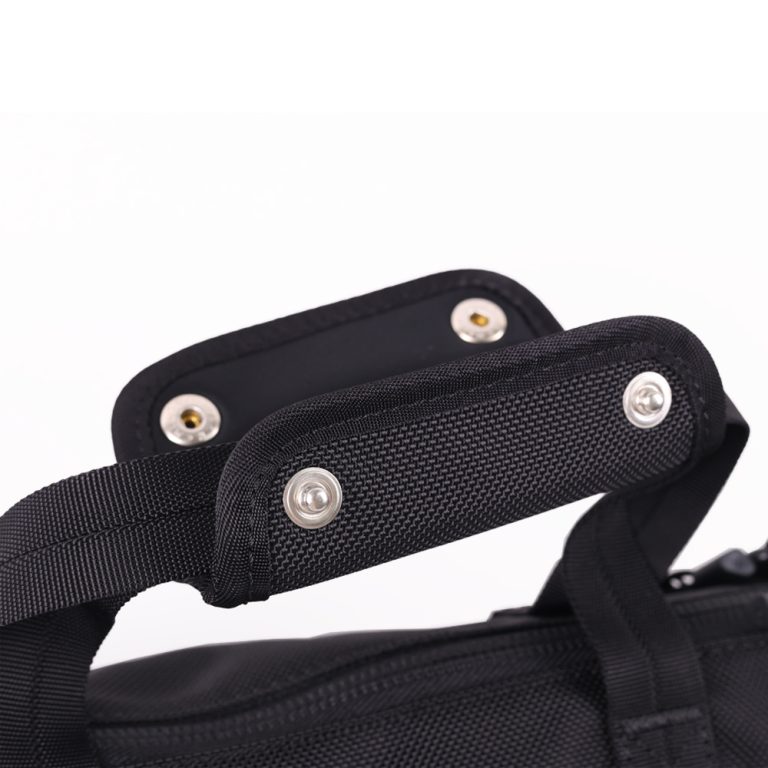
Durable shell, predictable internal layout, and straps that distribute load—those three matter more than flashy extras. Dividers that attach with Velcro and offer variable height make swapping between a prime-heavy day and a tele-heavy day painless. Quick-access pockets for filters, batteries and memory cards cut setup time. Weather-resistant zippers and a removable rain cover protect sensitive electronics without adding bulk. Look for padding thickness that’s firm enough to resist impact but soft enough to compress when you need a little extra internal space.
Experience, testing and a clear industry touchpoint
Years of fieldwork—studio days, festival runs and mountain shoots—teach you which seams split first and which straps chafe. Trade coverage at Photokina in Cologne showed manufacturers pushing modular interiors and tougher fabrics; those trends matter because they reflect how pros asked for more adaptable solutions. I’ve used and stress-tested bags across urban and landscape assignments, noting abrasion points, zipper longevity and how well a bag stands when set down. A quality camera bag with dividers makes reconfiguration quick: switch from lens-first to body-first layout in minutes without losing protection or adding weight.
Common mistakes photographers make
Overpacking tops the list: cramming a bag to capacity ruins ergonomics and increases impact damage. Ignoring strap fit leads to chronic shoulder pain—an adjustable sternum strap and padded hip belt change long-day comfort. Buying solely for looks ignores internal security: thin dividers, weak Velcro and unlined pockets let lenses rattle. And assuming water-resistant means waterproof—rain covers and properly sealed seams make the difference between a soaked sensor and an uneventful commute.
When to choose a backpack, sling, or messenger
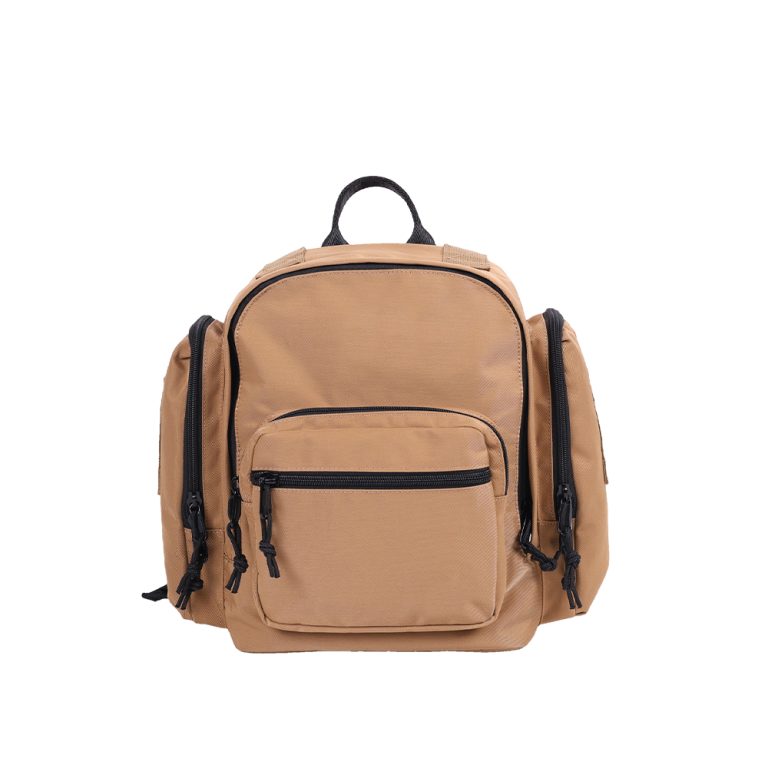
Pick a sling for short walks and urban shoots where quick-body access matters. Choose a backpack for long treks, heavier kit, or when you need laptop space. Messenger bags handle city commutes and offer fast reach but compromise weight distribution. If you travel by air frequently, a compact rolling case protects fragile glass better than any shoulder carry. Match the bag type to your day: distance, kit weight, and how often you need to change lenses on the move.
Final fit: how design turns into workflow
You want a bag that reduces fuss and extends shooting time. That comes from proportions that mirror your kit, dividers that let you rebuild quickly, and straps that let you walk all day. Designers who focus on those details produce pieces that perform during real shoots; that practical thinking is exactly what you find when function leads the design rather than fashion, a perspective embodied by ChangRong.
