
Introduction — A Quiet Question
Have you ever felt the weight of a single bad purchase in your shop months later? What starts as a small compromise can grow into wasted hours and parts scrapped. As someone who has sifted through catalogs and factory tours, I’ve seen how decisions go sideways — and turret lathe manufacturers often sit at the center of that mess. Data shows shops lose weeks yearly to mismatched tooling and downtime; that’s not abstract, it’s real time and money (I’ve counted it). So what should you watch for when you sign a PO with a vendor you barely know? Read on — there are clearer signs than most sales sheets let on.
Deeper Issues: Why Traditional Choices Fail
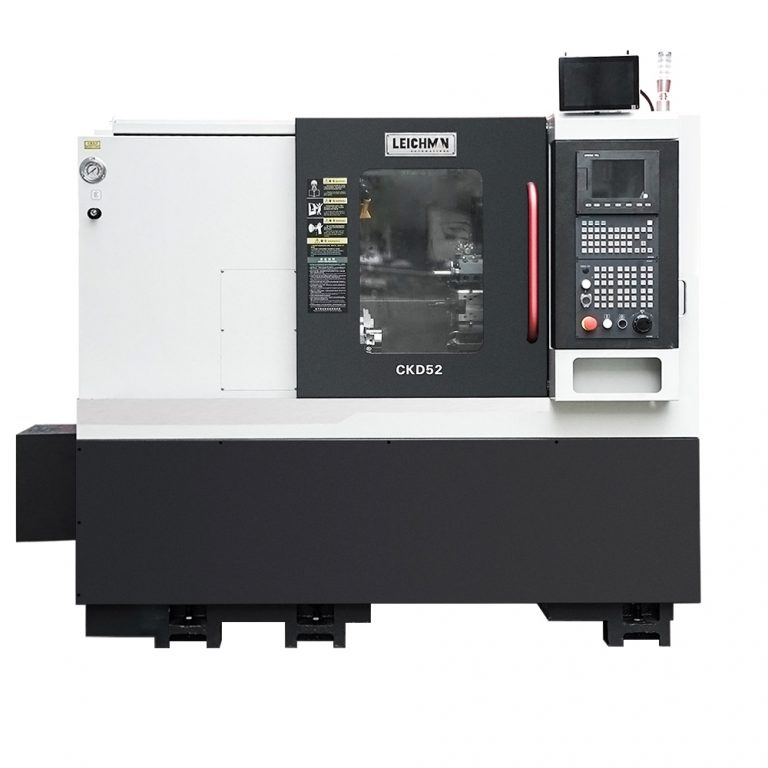
I’ll be direct: many shops pick a vendor based on price or lead time alone. That’s how you land in repeat repairs. For anyone comparing options, start with a clear technical baseline — what does the machine actually do versus what the spec sheet promises? When you talk to a turret milling machine supplier, ask for measured spindle speed curves, turret indexing tests, and supported cutting tool lists up front. If they dodge that, pause. You need measurable data, not buzzwords. I say this from experience; half the problems I’ve fixed came from assuming “standard” specs matched real-world needs.
What’s breaking down?
Look, it’s simpler than you think: the common failures are mechanical mismatch and overlooked integration. Tool post fit is a small detail on paper but a daily pain in the shop. Feed rate errors and poor coolant system routing make chips cling to parts and ruin finishes. Turret indexing that lacks repeatability shows up as concentricity problems — and yes, that costs rework. I keep an eye on spindle bearings, turret clutch design, and the control’s I/O layout. Those are where theory meets sweat. — funny how that works, right?
Looking Ahead: Future-Proofing Your Shop
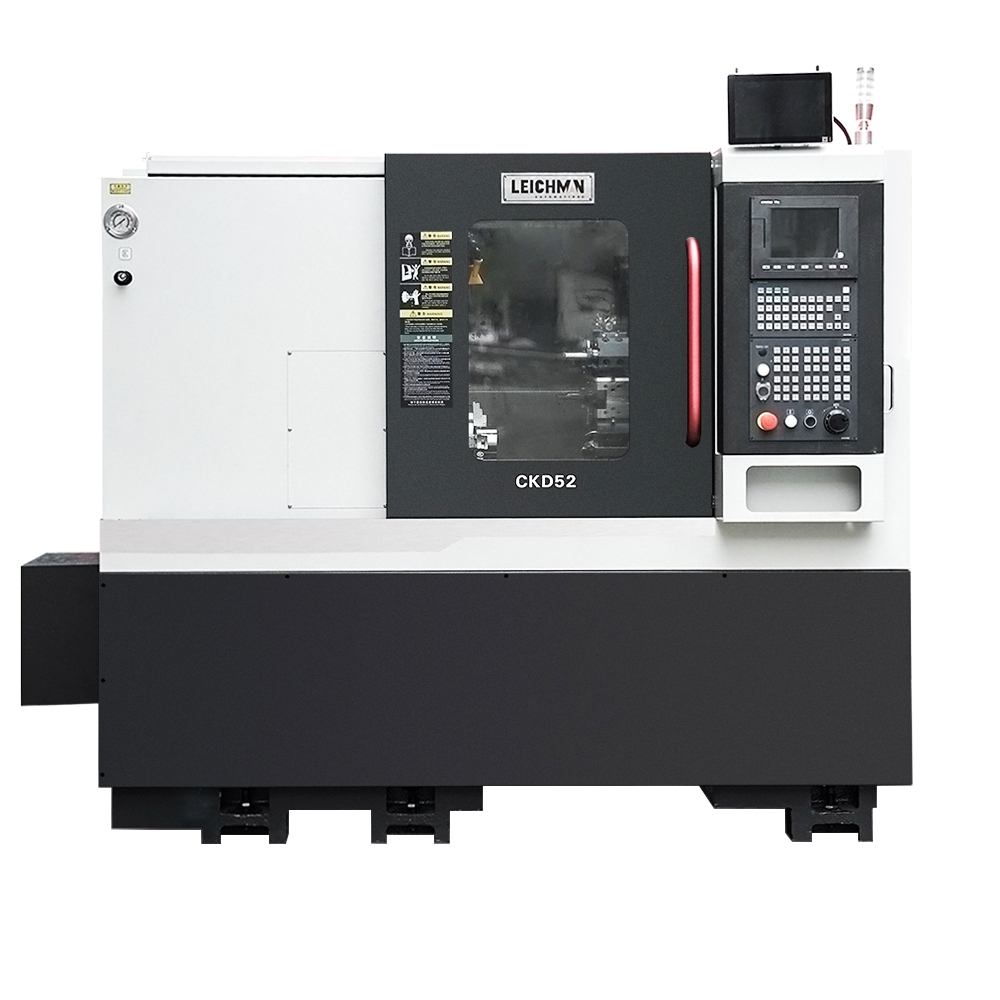
Now let’s be constructive. I want to map what’s coming and what to demand next. New materials, tighter tolerances, and higher mix production mean your next buy should be flexible. When I review options, I look for clear upgrade paths: modular turret heads, proven CNC control updates, and documented maintenance intervals. A modern turret lathe machine that allows simple tool-change automation and has open communication for plant systems will save time and money later. You don’t need every shiny feature, but I do expect solid engineering that shows where future costs will fall.
What’s Next?
Think of purchases as a three-year conversation, not a one-time event. I recommend visiting the factory floor if you can — watch a machine run your part or a close sim. Compare cycle time tests and ask for a failure-mode list. Keep an eye on control updates and spares availability. Also, talk to other shops; real users don’t sugarcoat the timeline. In my work, the best outcomes came from vendors who shared test logs and offered predictable spare parts delivery. That transparency matters.
Three Metrics I Use When I Decide
Here are the three key checks I always run before signing: 1) Repeatability and turret indexing accuracy under load — verify with a short trial. 2) Service response and spare part lead times — ask for actual SLA examples. 3) Integration readiness — does the CNC speak your plant language, and are power converters and I/O clearly documented? Score them, and don’t let price alone tip the scale. I’ve lost count of times a slightly pricier machine saved me weeks of downtime. Be practical, and trust what you can measure.
When I wrap up these evaluations, I aim for predictable uptime and straightforward service. If you want a partner who covers test runs and spares reliably, check out Leichman. They’ve been part of my short list for exactly those reasons.
