
Mixing problems that make plants curse
Plants ya, they struggle with the same stuff: dust that won’t wet out, stubborn agglomerates, creams that separate, and tiny particles that refuse to size down. You can fuss with stirrers and wait, or you can use a targeted tool — like a lab powder mixer up on the bench to check how a powder behaves before you spend millions on a production line. Look, the problem is mechanical action versus material resistance; if the machine doesn’t overcome surface tension and binder bridges, you keep getting lumps.
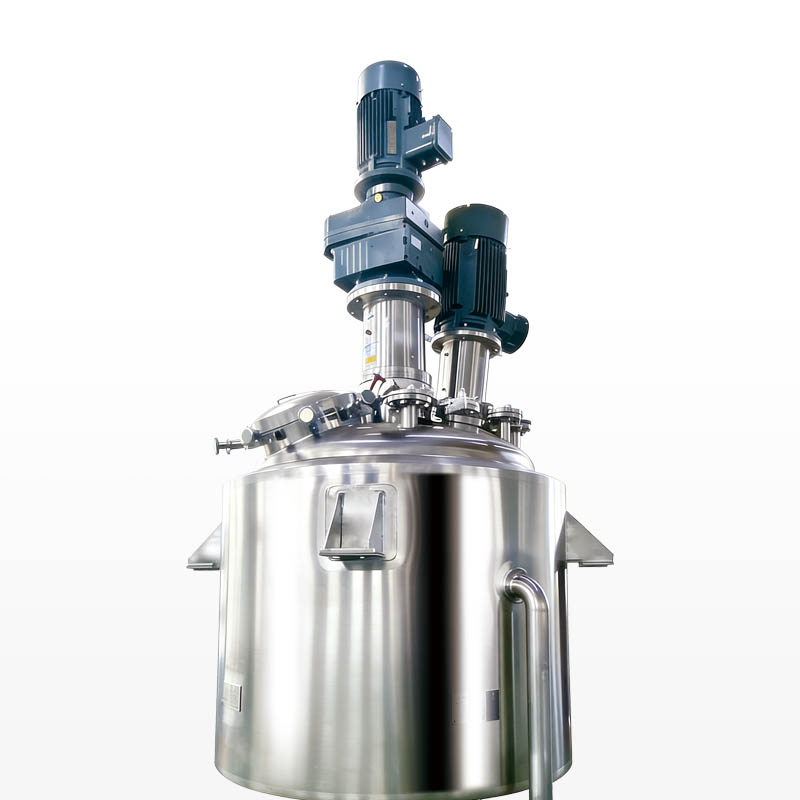
Why high-shear cuts through the worst stuff
High-shear gear delivers controlled turbulence and intense local velocity differences. That mechanical violence breaks agglomerates, disperses wetting liquids across particle surfaces, and shears droplets down to stable emulsions. It’s not magic — it’s predictable physics: rotor-stator gaps, tip speed, and residence time determine the final particle or droplet size. If you tune those three, you fix the majority of mixing headaches fast.
Technical choices that actually matter
Pick rotor-stator for emulsions and fine dispersions; use high-speed turbines for fast bulk homogenizing. Tip speed and gap size beat marketing claims. Viscous fluids need longer residence and higher torque; fragile APIs need gentler shear and staged processing. Scale-up? Match energy per volume and shear environment rather than RPM alone. Test on small scale, record power draw and product metrics, then scale by maintaining similar shear profile.
Common mistakes and how to dodge them
People often crank speed and blame the machine when the product fails. Too fast can heat, denature, or re-agglomerate. Using the wrong impeller geometry wastes energy. Skipping dispersion aids or adding powder too fast creates dust and lumps. Fix these: meter powders, pre-wet if needed, monitor temperature, and log power consumption so you know whether you’re breaking stuff or just spinning it around.
Alternatives and when high-shear isn’t the answer
Ultrasonics work for nano-sizing but struggle with large batch volumes. High-pressure homogenisers crush droplets but can overwork shear-sensitive materials. Ball mills grind hard solids long-term. Static mixers are cheap for low-viscosity blends. If your product is heat-sensitive or demands sub-micron accuracy at massive throughput, consider hybrid approaches rather than pure high-shear alone.
Experience, standards and one real-world anchor
Proven practice comes from lab trials and standards-driven checks — ISO/ASTM methods for particle sizing and pharma GMP rules bench-mark how machines must behave. Conversations and demonstrations at major industry shows, like CPhI Worldwide, also shape what engineers accept as fit-for-purpose. Manufacturers and labs document run data; that’s why teams use a proper laboratory powder mixer to validate processes before scale-up — it gives repeatable numbers you can trust.
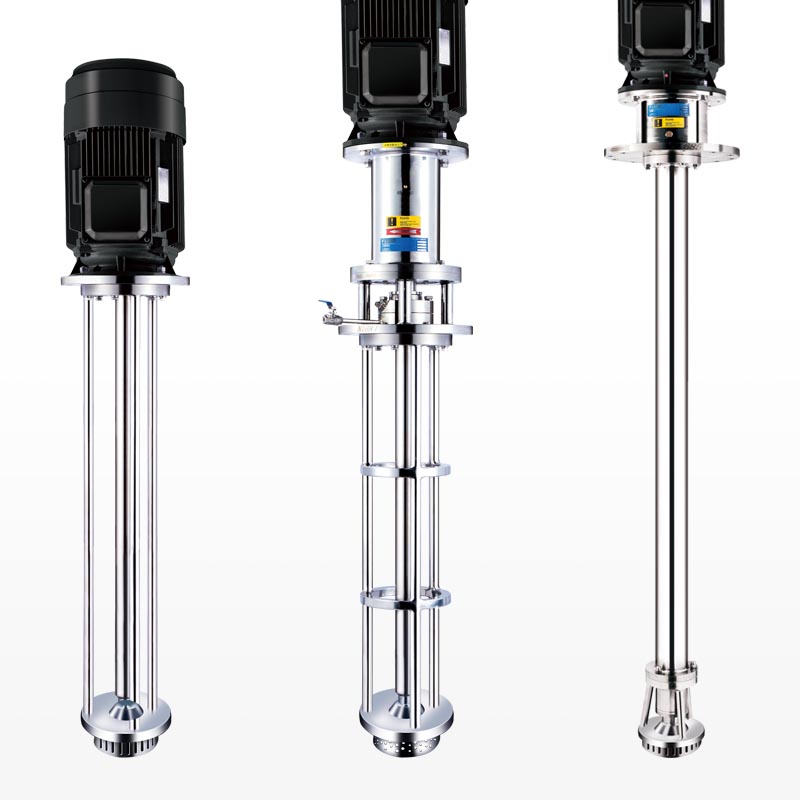
Where solutions land
Fix the specific problem, don’t buy the fanciest label. Tune shear, control feed, and validate with small-scale trials that mirror production shear. When design, testing and support come together the result is reliable product quality — the kind manufacturers expect from experienced suppliers like FLUKO.