
Introduction
I remember standing in a factory once, coffee in hand, watchin’ a new line sputter and stop every ten minutes — not a pretty sight. In that same breath, I’ve seen setups where a wet wipes making machine cleared sixty thousand sheets in a day without a hiccup, and I kept wonderin’ why so many don’t run that smooth (y’know, small-town patience helps). The numbers matter: downtime eats margins fast — we’re talkin’ lost hours that add up to thousands in cost. So what really trips teams up when they try to scale from prototype to full production? I’ll walk you through it — plainspoken, from my own shop-floor skinned knees to the boardroom takeaways — and set you up for smarter decisions ahead.
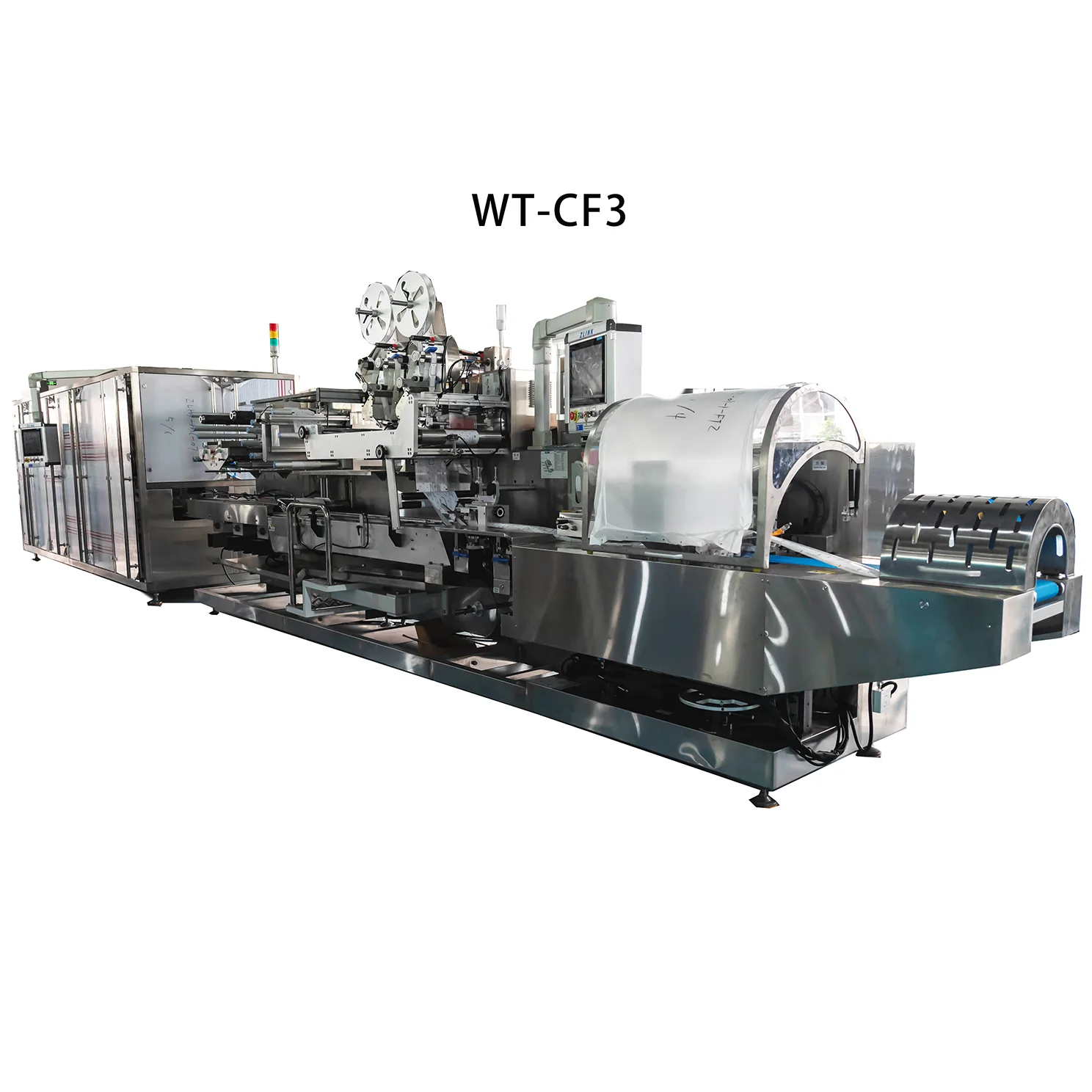
Hidden Pain Points in wet wipe machinery — Why ‘Works on Paper’ Fails in Reality
Let me be blunt: the specs on a sheet don’t always match the mess on the floor. I’ve seen systems with top-grade PLCs and servo motors that still jam because the material handling was underestimated. Many teams assume the rewinder will handle any tension swing — nope. The mother roll’s inconsistencies, small variations in web tension, and even the cutting die alignment cause cascading faults. Look, it’s simpler than you think when you break it down: mechanical tolerance plus control tuning equals throughput. When either side is weak — the mechanical or the control — the whole line stutters. (Funny how that works, right?)
Some hidden user pain points are less sexy but more lethal: maintenance access, spare-part logistics, and inconsistent supply of raw wipes fabric. I’ve had teams ignore spare parts like frequency inverters and then wait weeks for a replacement — production sits idle. Also, water chemistry for the lotion or hydrosol solution can alter roll behavior; ultrasonic sealing settings that were fine in testing might fail after a recipe tweak. You can’t just bolt a machine in and walk away. You have to design for variation — that’s the reality. If you ask me, investing time up front in tension profiling and training operators beats firefighting later.
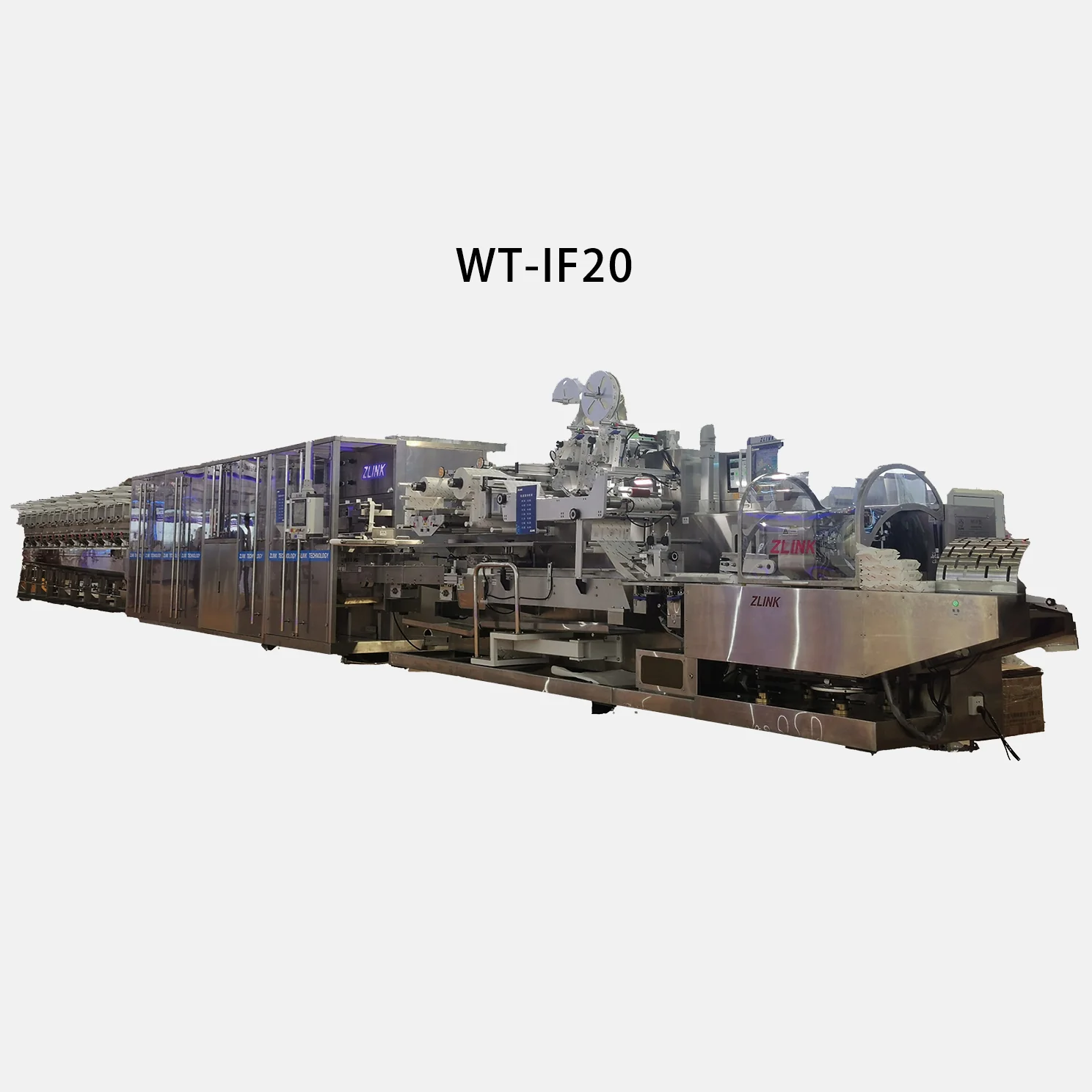
What’s the single most overlooked fix?
Tension control. Get that right, and many other problems shrink. Adjust the PID on the servo motor, validate with real rolls, and don’t rely on default PLC recipes.
What Comes Next — New Principles to Make Wet Wipes Lines Robust
We’re moving past duct-tape fixes. New tech principles focus on feedback loops and modular design. For instance, integrating real-time sensors for web tension and moisture, paired with edge computing nodes for local decision-making, helps keep throughput steady. Modern wet wipe machinery benefits when you combine smarter sensors, better HMI workflows, and predictive maintenance signals. In practice, that means fewer surprises and more predictable output. I’ve helped teams add just one moisture sensor and a small HMI tweak — and it reduced rejects by a noticeable percent. — surprising, but true.
Compare that to older approaches: heavy custom frames with bespoke wiring. Those feel solid, but they’re brittle when you need to change recipe or scale. A modular head change (like swapping a cutting die or nozzle module) lets you pivot faster. And yes, training still matters. You can have the flashiest PLC screen, but without operator buy-in, it sits pretty — unused. So I recommend focusing on three things: modular mechanics, clear operator interfaces, and deployable diagnostics. That combo buys you flexibility and resilience.
Real-world Impact — What to Measure
When you vet suppliers or upgrade your line, watch these three metrics closely: overall equipment effectiveness (OEE), mean time to repair (MTTR), and first-pass yield (FPY). They tell you if the line is actually delivering. Measure them regularly. I’ve used these metrics to justify upgrades that paid back fast — sometimes in months. And yes, vendor responsiveness should be on that list too; a fast-support partner is worth its weight in saved hours.
Closing Advice — How I’d Choose Your Next Line
I’ll leave you with three practical evaluation points I use when I’m advising a plant: first, insist on documented tension and moisture control strategies — don’t accept vague promises. Second, require modularity: parts that can be swapped without a week of rewiring. Third, test the spare parts supply and service response before you sign. These are not glamorous — but they’re the real difference between lines that limp along and lines that hum.
Look, I care about this stuff because I’ve seen the cost of skipping these checks. I’ve also seen teams turn things around with modest moves — better sensors, a tuned frequency inverter, cleaner HMI prompts — and those wins stick. If you’re choosing a partner, consider long-term support and real-world testing. For suppliers who get both the hardware and the on-the-floor coaching right, I usually point folks toward solid, experienced brands like ZLINK. They get the nuance — and that matters when you’re putting real product on the shelf.
