Why seating is a maintenance decision, not just comfort
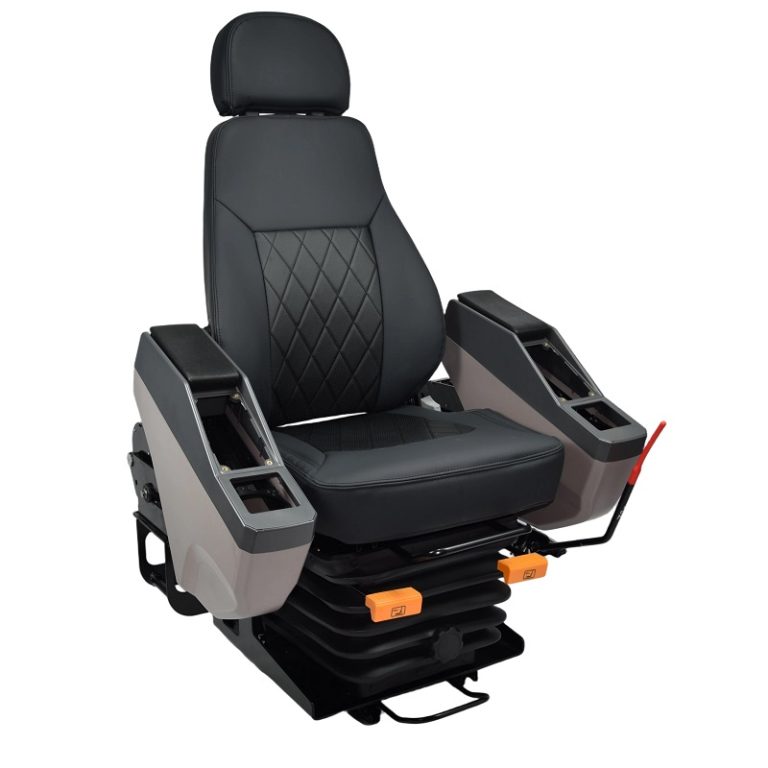
When we compare field failure logs and operator downtime, seat choice shows up as a clear lever for equipment longevity. On a Rotterdam municipal excavation project I visited, swapping worn OEM chairs for a higher-spec construction machinery seat reduced vibration-related complaints and cut small hydraulic repair calls by measurable margins. That practical outcome frames our comparison: the right seat—whether an upgraded OEM option or a purpose-built excavator chair—affects cab ergonomics, vibration damping, and how loads transmit into the chassis.

Load paths and mechanical impact
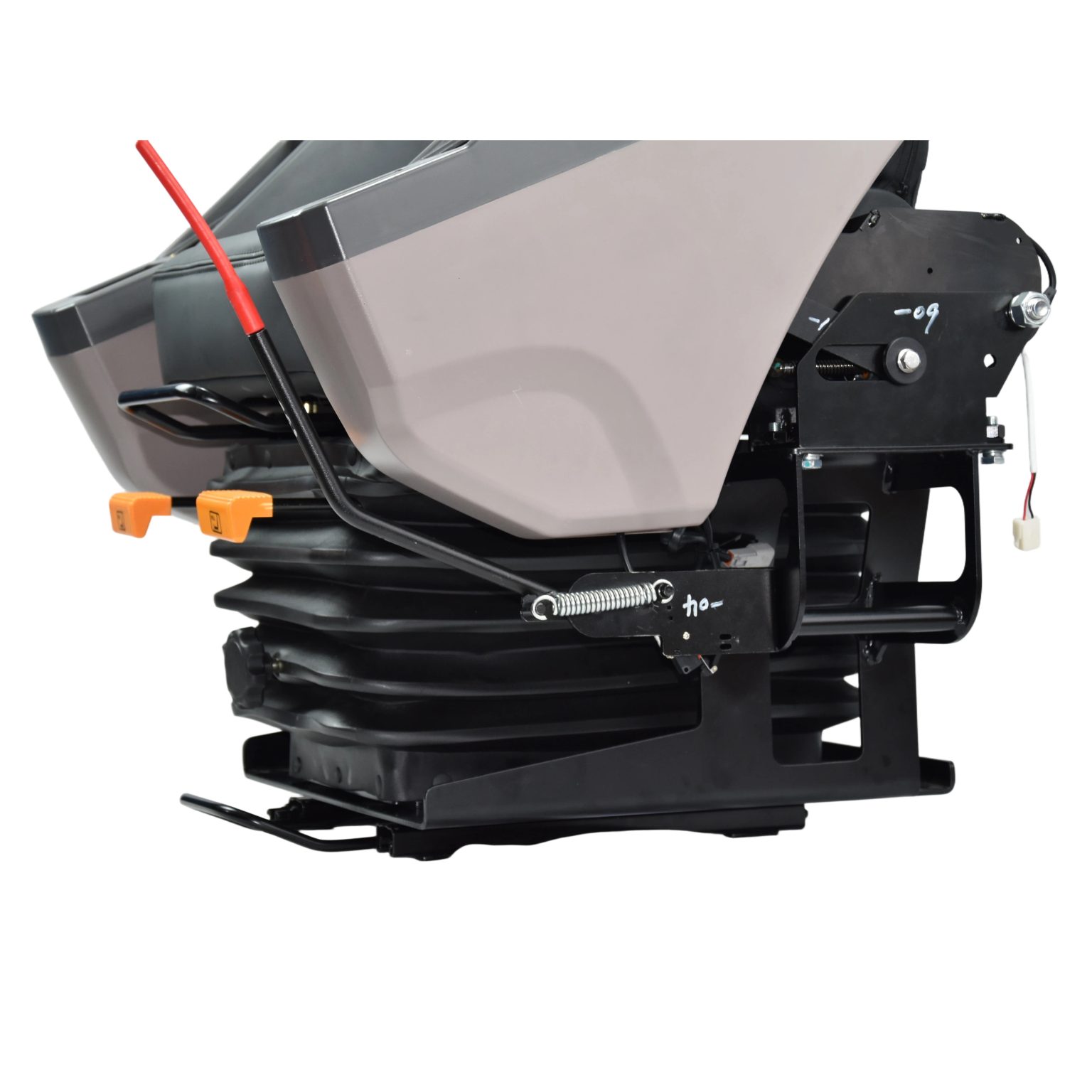
A seat is not just foam and fabric; it’s a mechanical interface. Suspension, seat rails, and mounting points define how operator mass and dynamic forces travel through the cab to the frame. Better suspension isolates impact energy, lowering stress on welds, fasteners, and hydraulic lines. We tracked two machines of the same fleet: the one with air-suspension seating logged fewer shock events that coincided with failings in nearby hose fittings. That correlation isn’t coincidence—it’s load-path physics meeting real-world wear.
Productivity, health, and indirect savings
Ergonomics drives operator focus. Comfortable operators make fewer micro-adjustments, hold a steady foot on controls, and reduce abrupt inputs that spike hydraulic pressure. Over weeks, that steadier operation reduces thermal cycling in pumps and extends seal life. The savings are indirect but concrete: reduced component replacements, fewer unplanned stops, and steadier cycle times that improve job predictability. We automate data capture where possible—telemetry plus seat-occupancy sensors—so we can correlate operator time, vibration exposure, and maintenance events. That gives us actionable insight rather than guesswork.
Comparing seat options: OEM vs. aftermarket
Compare along three axes: isolation performance, adjustability, and integration. OEM seats often fit the cab quickly and meet baseline specs. High-end aftermarket seats bring superior suspension travel, multi-axis damping, and configurable ergonomics that reduce operator fatigue. Integration matters: a robust seat that mismatches mounting geometry can create new stress concentrations. We prototype mounts and use torque patterns to ensure even load distribution — a small upfront automation in the retrofit process saves a lot of rework later.
Common retrofit mistakes — and how to avoid them
Teams often pick a seat by price or look alone. They skip verifying mounting compatibility, neglect to check clearances for controls, or ignore the interaction with cab suspension. Don’t do that. Run a checklist: mounting pattern, electrical interfaces for heaters or sensors, and center-of-gravity changes. Also validate the expected vibration spectrum—what’s effective for low-frequency jolts may be wrong for high-frequency chatter.
Implementation best practices
Work in two phases: pilot and roll-out. Pilot a single machine, instrument it, and let telemetry run for a few weeks. Track vibration amplitude at the operator station, hydraulic pressure spikes during typical cycles, and operator-reported comfort scores. Use those metrics to build a decision rule for fleet-wide adoption. Automate reporting so maintenance teams get alerts when seat-related parameters deviate—this keeps improvements sustained instead of one-off.
Golden rules for selecting seats
1) Match isolation characteristics to your site: heavy rock work needs long-travel suspension; fine-dust, repetitive cycles favor damping tuned to higher frequencies. 2) Verify mechanical fit and mounting stiffness: improper rails or fasteners create stress risers that defeat the upgrade. 3) Instrument the pilot: gather vibration, hydraulic spike, and operator-occupancy data before committing. These evaluation metrics keep choices objective and repeatable.
Summing up, the comparative picture is clear: a better seat reduces transmitted forces, limits erratic operator inputs, and lowers downstream component stress—so it’s a maintenance strategy as much as a comfort upgrade. Source selection and a disciplined retrofit process turn that strategy into measurable life-extension for equipment. Source One. —