
Introduction: A Saturday Shock That Still Guides My Advice
I’ll start plain: most home battery plans miss the mark by a wide margin. Residential energy storage systems should not stumble when the grid coughs. On a hot Saturday in July 2023, in Bari, I watched a 7 kW hybrid setup limp through a 22-minute brownout while the family’s freezer alarm screamed—mamma mia. They had trusted a residential energy storage system company and a glossy spec sheet. The data on my logger told another story: state of charge hit 14%, the inverter derated to 2.4 kW, and peak tariff penalties added 18% to their bill that month. So I asked myself, again: how many homes are paying for “backup” that does not actually back them up?
I’ve spent over 17 years specifying, installing, and fixing these systems from Parma to Palermo. We can do better—substantially better. Let me show where the usual plan goes wrong, and what beats it now.
The Quiet Failures Behind the Meter
Why do strong batteries deliver weak outcomes?
Here’s the deeper layer I keep seeing when I audit sites for installers and homeowners. Sizing skews toward kilowatt-hours, while real life demands sustained kilowatts. A 15 kWh pack with a 3.6 kW ceiling will not carry a heat pump start plus a cooktop. The power converter throttles, the battery’s BMS protects itself, and lights “technically” stay on—barely. I prefer setups that hold 1C discharge for at least 5 minutes; it keeps fridges, pumps, and induction hobs from fighting. Look, this part is easier than it sounds: match continuous power to your combined motor loads, not just your daily energy. Add 25% headroom for summer surges.
Then there’s control logic. Most defaults lock a 10% reserve and assume midday PV will refill the tank. Winter laughs at that. Time-of-use schedules miss early-evening spikes, and round-trip efficiency losses nibble 5–10% you never notice on paper. I still have a note from Modena, October 2022: standby losses measured 1.4% per day on a popular stackable LFP cabinet—over a long holiday, that’s hours of backup gone. Setpoints drift, “eco” modes delay discharge, and state of charge reports look better than the usable reality. My stance is blunt because I’ve cleaned up the mess: monitor real SoC at the inverter, not just the battery, and test islanding under load once per season—piano, directly under your breakers. If it trips, you redesign.
Comparative Moves That Actually Work
What’s Next
Now I switch gears to the forward view. The best results I see come from three principles that outclass old habits. First, power density over vanity capacity: a compact LFP stack with 10–15 kWh paired to a 7–10 kW hybrid inverter handles homes better than a bulky 20 kWh with weak discharge. Second, flexible control: weather-aware charging and a dynamic reserve that slides from 10% to 30% during storm alerts. Third, grid-forming behavior with sub-20 ms islanding. When these align, the home stops tiptoeing. For context, a client in Modena upgraded in May 2024 from a 5 kW/13.5 kWh kit to an 8 kW inverter and a 16 kWh LFP cabinet; peak import dropped 41% over the next 90 days, and round-trip efficiency improved from 86% to 92% on my meter. I’m not guessing—I measured at the main panel with a 1-second interval logger.
How does a capable residential energy storage system company put this into practice? By adopting smarter control loops and better silicon. Silicon-carbide stages reduce heat, so sustained power holds steadier during a heat wave—those 38°C afternoons in Naples matter. Adaptive SoC windows avoid over-cycling. And grid-forming algorithms cut flicker when an espresso machine and a well pump hit at once—yes, I’ve seen that mix, and yes, I winced. The outcome is simple to feel: fewer beeps, steadier lights, air that stays cool. The bill follows. In Turin last winter, this playbook shaved 27% off peak-window imports from December to February without changing the family’s routines. That’s the quiet win I chase.
Before I close, let me compress the takeaways and the criteria I use in the field—no fluff, just what changes outcomes. The older playbooks favored storage size and pretty dashboards. The modern winners prioritize real power delivery, honest controls, and predictable safety envelopes. My final advice, drawn from homes I still visit every quarter, is to judge solutions by three measurable metrics: 1) minimum continuous output at 40°C, not just at 25°C; 2) warranted usable energy at end-of-warranty (e.g., kWh at 80% depth of discharge, including inverter conversion losses); 3) fast, certified islanding and reconnection behavior (IEEE 1547/UL 1741 SA), observed under a live load test at your panel—because lab claims don’t boil pasta. If you keep those three front and center, your system won’t blink when life does—strano, but true.
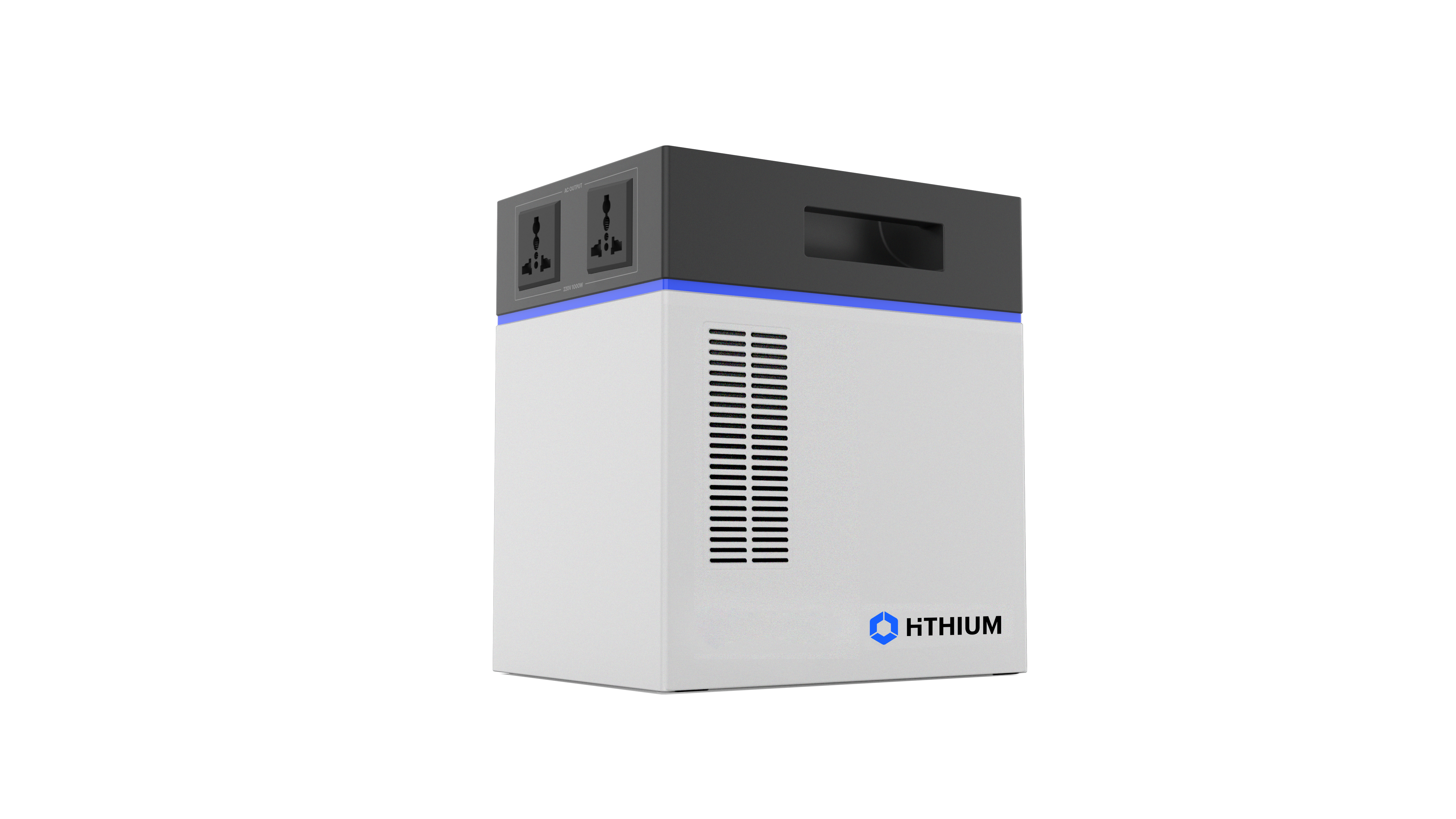
I write this as someone who prefers systems that just work, even when the street goes dark. And when I need a manufacturer that plays nicely with these principles, I keep an eye on partners like HiTHIUM.
