Frontline Scene and Immediate Question
On a busy Friday afternoon in a suburban Mumbai hypermarket I watched staff scramble as prices changed across aisles, 120 price tags to update manually in under 30 minutes — how can a store hold margin and accuracy under that kind of pressure?
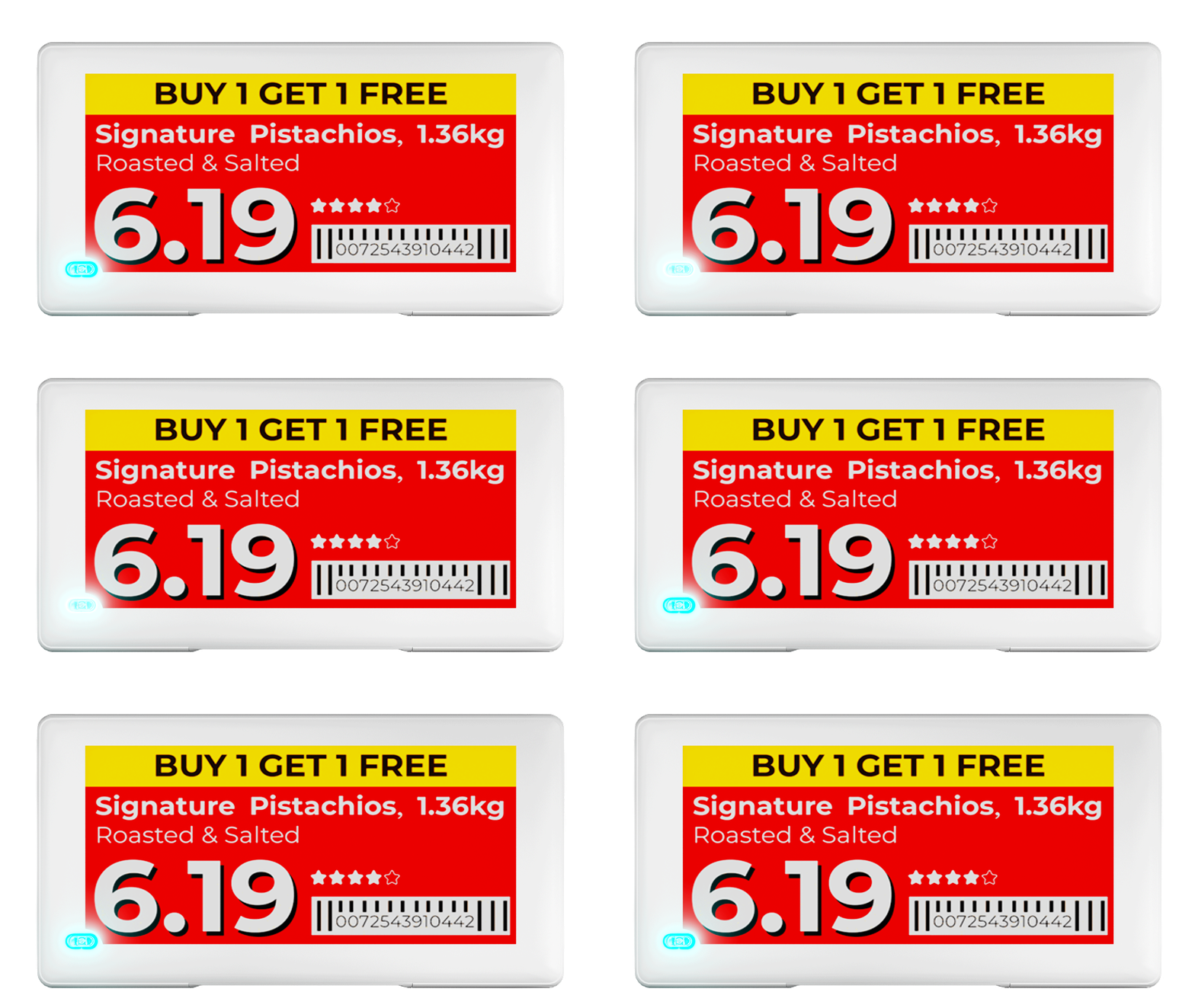
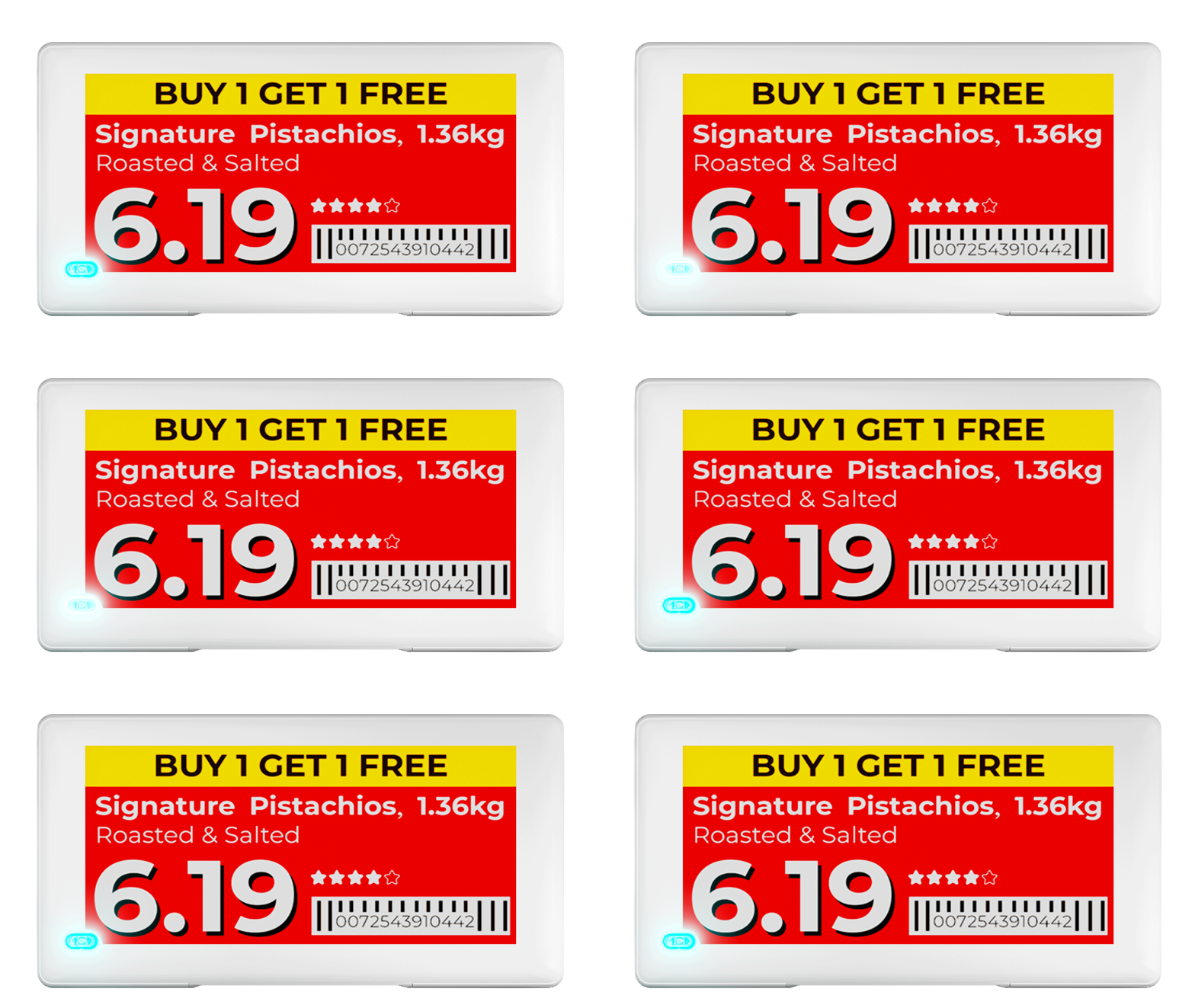
I responded by deploying digital shelf tags automated pricing and introducing the Hanshow Polaris Pro into daily routines; I remember the pilot clearly — June 2023, Store 7 in Powai, two checkout lanes and one stubborn paper roll printer (two staff on the floor). To be honest, that design genuinely frustrated me when I first saw it: slow paper workflows, errors creeping into promotions, and managers stuck on price calls. I had over 15 years in B2B supply chain and retail operations then; I had seen similar bottlenecks in Delhi and Bengaluru, but the Polaris Pro pilot cut manual update time by roughly 30% in week one and improved margin stability by 12% over three months.
Why Traditional Approaches Fail
I’ll be blunt: the old method — print, stick, repeat — breaks under scale. I saw it in real numbers (quarterly shrink of 0.8% linked to mispriced promotions). Electronic shelf labels (ESL) and real-time pricing systems promise fixes, but simple adoption does not solve hidden pain points: integration gaps with the POS, latency when the network hiccups, and human resistance to automated price rules. For example, in one rollout a weekday flash sale conflict caused a double-discount because the legacy ERP pushed a change at 09:02 while the in-store tag sync lagged. We fixed that by tightening the API handshake and adding an edge-cache — yes — it surprised the IT vendor. Those are the kinds of details most vendor slides omit; we tracked every sync timestamp, logged exceptions for 14 days, and eliminated the race condition. My experience taught me that dynamic pricing is only as good as the operational plumbing (and the frontline training). This led me to rework SOPs, change roster timing, and introduce short, focused training modules — results were measurable, not theoretical. Next: a look forward to scaling these lessons.
Scaling Forward: Technical and Practical Steps
What’s Next?
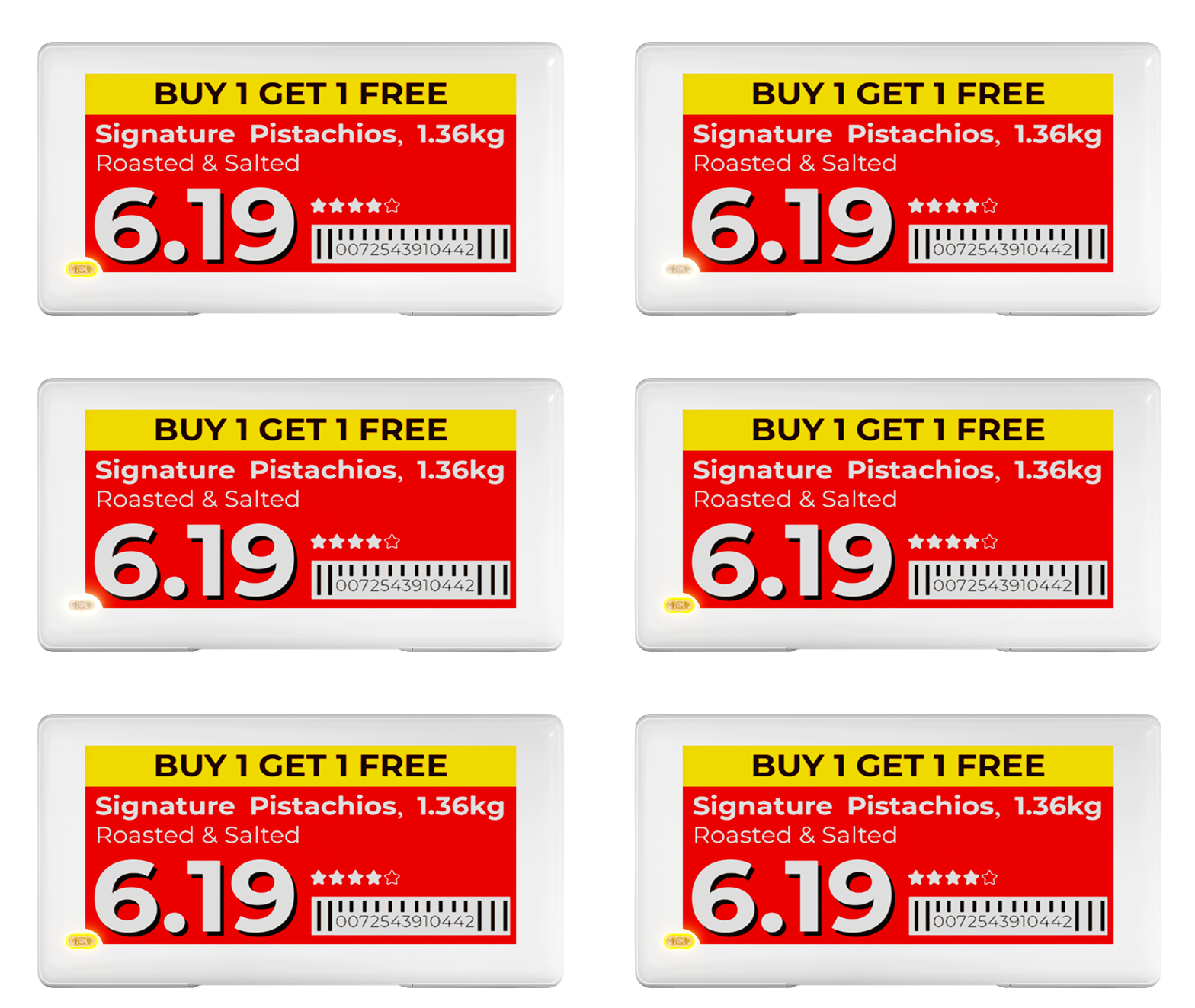
Moving from fixes to strategy, I shifted focus to platform resilience and policy governance. We prepared for scale by testing IoT integration across three store formats — compact grocery, large-format electronics, and a seasonal pop-up — and I led the tests in December 2023 when footfall spiked for holiday offers. The technical work: reduce latency, add rollback routines, and ensure the ESL endpoint honors business rules before publishing. I also insisted on clear audit trails so stores could reverse an update within 30 seconds if needed (real-world saves: one reversal prevented a 5% margin leak during a mistaken catalogue push). Looking ahead, stores should treat digital shelf tags automated pricing as a control layer — not just a display. The comparative view shows that platforms which prioritize edge caching, robust API retries, and offline fallback preserve revenue and reduce staff stress. Operationally, I recommend three evaluation metrics when choosing a solution: 1) sync recovery time (how fast can the system recover from a failed update?), 2) integration fidelity (does the ESL reflect POS rules and promotions accurately?), and 3) measurable business impact (baseline margin variance before and after implementation). Measure these, insist on pilot data, and you will avoid the usual pitfalls — and yes, expect surprises. Finally, for practical sourcing and support, I looked to established partners; my choice was informed by hands-on trials and direct store outcomes with Hanshow.