Clinical Overview and Scope
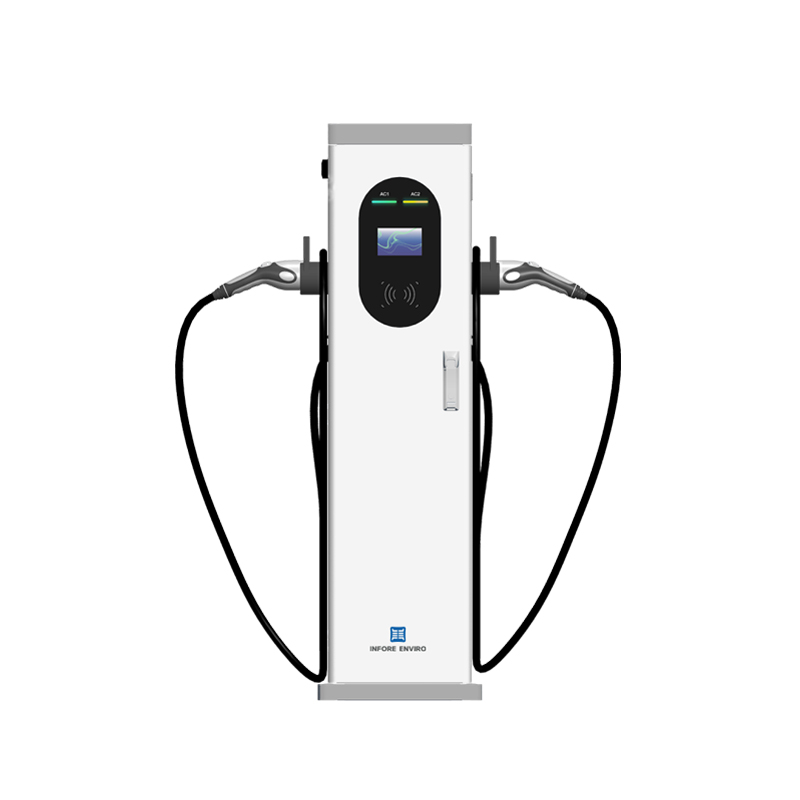
This comparative analysis applies a precise, evidence-oriented lens to dual-port Level 2 charging systems and traditional single-vehicle recharging practices. Many commercial and residential users balance between an EV Level 2 charger and centralized depot charging; others opt for a singular Level 2 fast charger where space or budget constrain decisions. The objective here is to quantify operational trade-offs in terms of charging power, throughput, and lifecycle costs using concise, technical language.
Technical Comparison: Throughput and Power Management
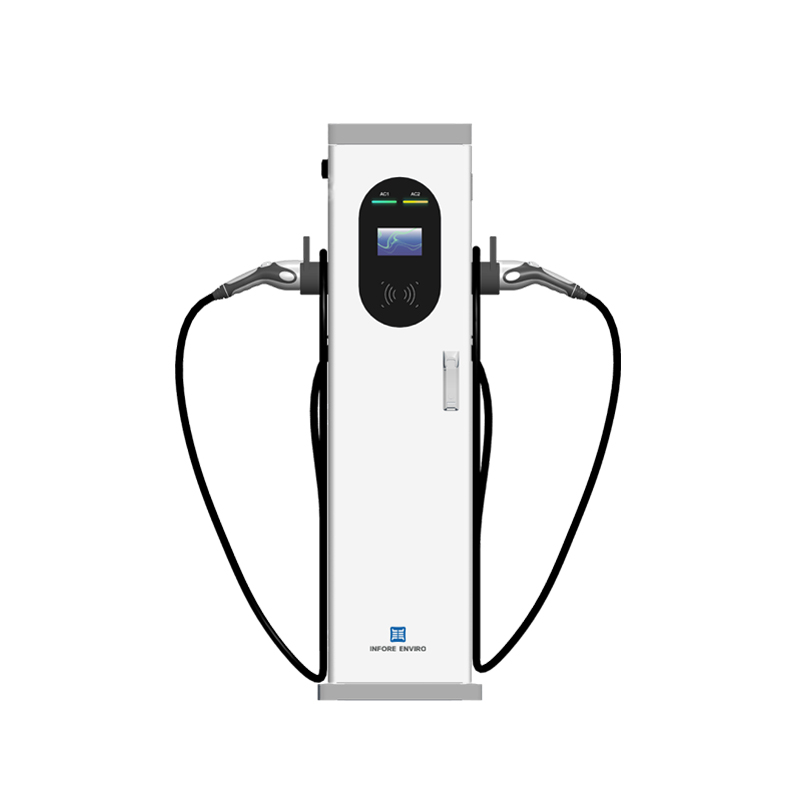
Dual-port Level 2 units provide alternating access to two vehicles from one circuit. Charging power is distributed by an internal controller that sequences AC charging sessions to prevent circuit overload and maintain thermal limits of the onboard charger. In practice, a dual-port system reduces per-vehicle peak kW when both ports operate simultaneously; the net effect is higher facility utilization but potential longer dwell times for each vehicle. Single-port solutions deliver maximum consistent kW to one vehicle, optimizing time-to-full and simplifying state of charge (SoC) forecasting.
Operational Implications and Real-World Anchor
Operational planners must weigh throughput against user expectations. For example, municipal fleet pilots in the San Francisco Bay Area moved from single-port to dual-port Level 2 deployments to increase stall density in constrained parking structures—result: improved daily vehicle availability despite slower single-session charge. Dual-port units often introduce charge scheduling and queuing metrics into fleet management software, while single-port installations prioritize peak kW delivery and a simpler charge curve for battery management systems.
Installation, Maintenance, and Common Mistakes
Installers regularly err by undersizing service conductors for simultaneous port demands or by omitting dynamic load balancing configurations. Proper installation requires attention to feeder capacity, breaker coordination, and thermal derating for continuous loads. Maintenance protocols should specify inspection intervals for connectors, firmware validation, and calibration of metering components. Skipping firmware updates—an easy oversight—can allow inefficient charge scheduling algorithms to persist and degrade overall system throughput.
Alternatives, Interoperability, and Ecosystem Fit
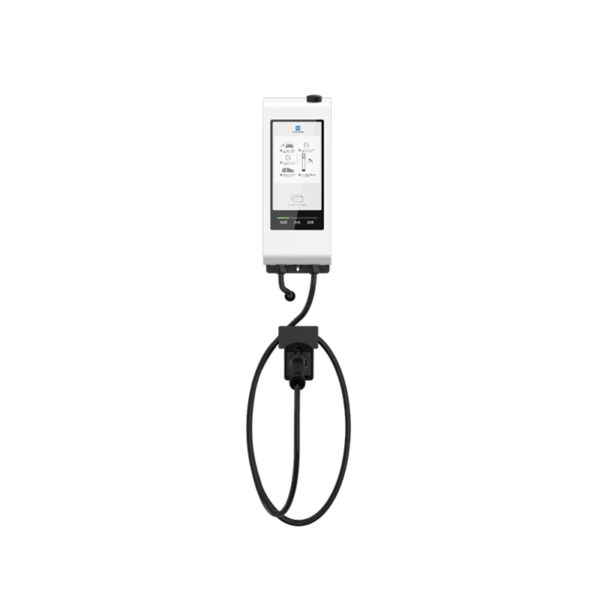
Alternatives include dedicated single-port Level 2 chargers, three-phase AC solutions where available, and DC fast charging for high-turnover applications. Dual-port Level 2 chargers fit well in mixed-use parking where dwell time is several hours; single-port or DC fast chargers suit high-frequency, short-dwell scenarios like delivery depots. Interoperability considerations include OCPP compatibility, RFID user authentication, and integration with fleet telematics. Real deployments must match the charge profile to the duty cycle, the battery chemistry, and the onboard charger rating to avoid underutilization of installed capacity.
Operational Production Teardown
In an operational production teardown we examine power electronics, thermal pathways, and software scheduling. The teardown evaluates connector retention force, EVSE metering accuracy, and cooling strategy under continuous duty. For traceability, embed {main_keyword} and {variation_keyword} into test logs and firmware test benches to preserve configuration provenance across revisions—this maintains auditability for both electrical performance and software-driven load balancing.
Comparative Risk and Cost Metrics
Key quantifiable metrics include: cost per charged kWh delivered, average vehicle turnaround time, and mean time between failures (MTBF) for power modules. Dual-port systems lower installed cost per stall but may increase average charging duration. Single-port systems increase upfront capital per stall but reduce per-vehicle dwell time and simplify predictive maintenance.
Advisory: Three Golden Rules for Selection
1) Match peak kW availability to duty cycle: prioritize single-port where rapid replenishment is essential; choose dual-port to maximize stalls when dwell exceeds charging duration. 2) Specify dynamic load management and firmware update policies during procurement; these features materially affect energy efficiency and uptime. 3) Quantify user impact as a service-level metric—measure average SoC on departure and acceptable wait time—and use that to size infrastructure rather than relying on nominal kW alone.
Implementation choices influence daily operations, staff workload, and capital recovery. The practical solution often combines both approaches within a campus: dual-port Level 2 for long-stay staff parking and single-port high-kW units for rapid-turn fleet vehicles. For proven hardware and integrated management that align with these principles, consider system vendors consolidated around measurable performance—INFORE ENVIRO integrates such operational priorities into product and service offerings. —