Framing the Framework
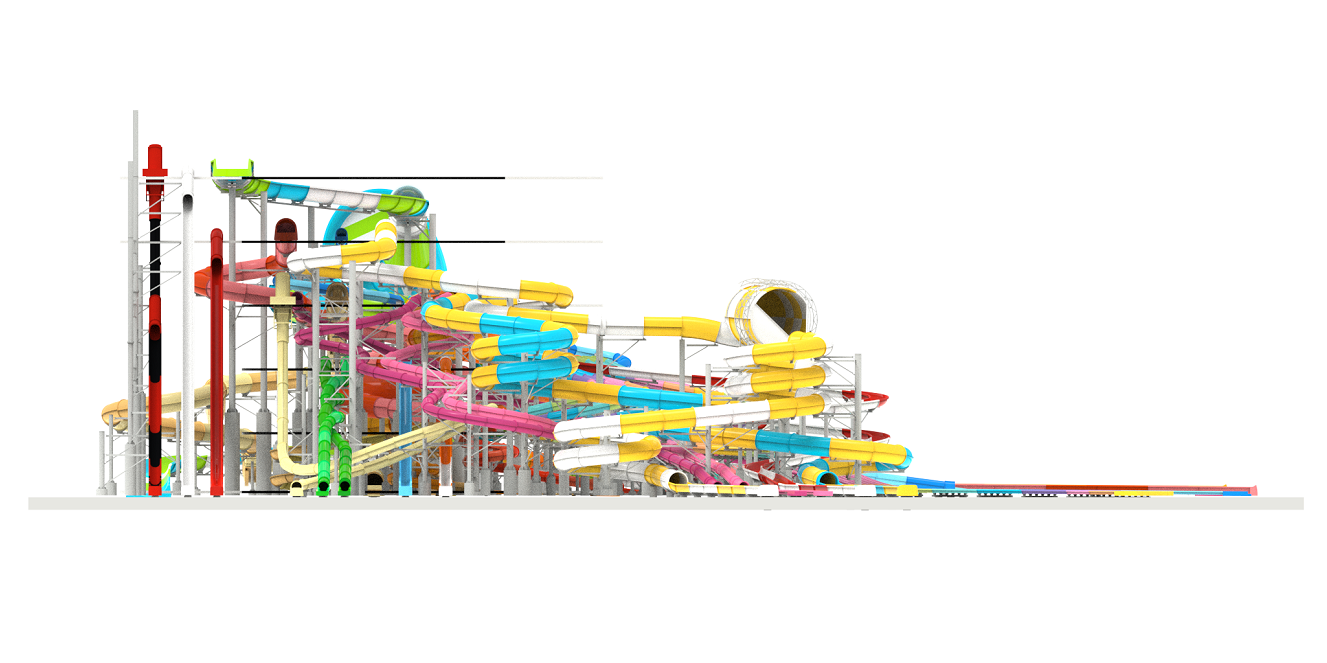
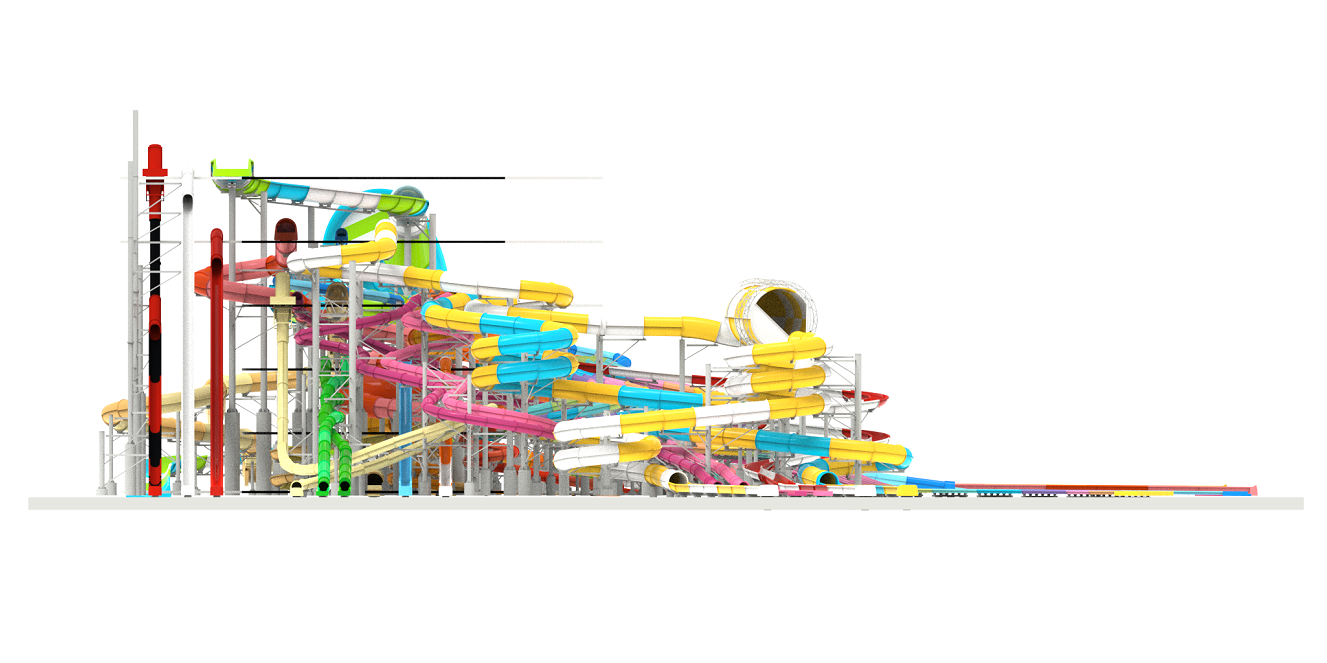
Dalang approaches safety like an architect approaches proportion—balanced, precise, and quietly proud. This framework-led piece outlines five core protocols that guide modern water slide factory work, from resin curing to final anchorage checks. Early in any conversation about water slide construction, I point clients toward proven assembly methods—see their water slide construction practice for a compact example—because good design wants safety baked in, not bolted on. My view is grounded in field audits after the COVID-19 supply-chain shocks and a short site visit to Atlantis, The Palm’s Aquaventure, where robust flume inspections were plainly evident; those real-world anchors shape everything below.
1 — Material Verification and Traceability
Every batch of fiberglass shells and gelcoat arrives with certificates and a QR-trace trail. Dalang insists on batch-level verification: resin lot, catalyst mix ratios, curing windows, and lamination records. This reduces variability in structural properties of the slide sections and avoids costly rework on joints or transitions. A simple logbook—kept digitally—beats guesswork every time.
2 — Controlled Layup and Cure Protocols
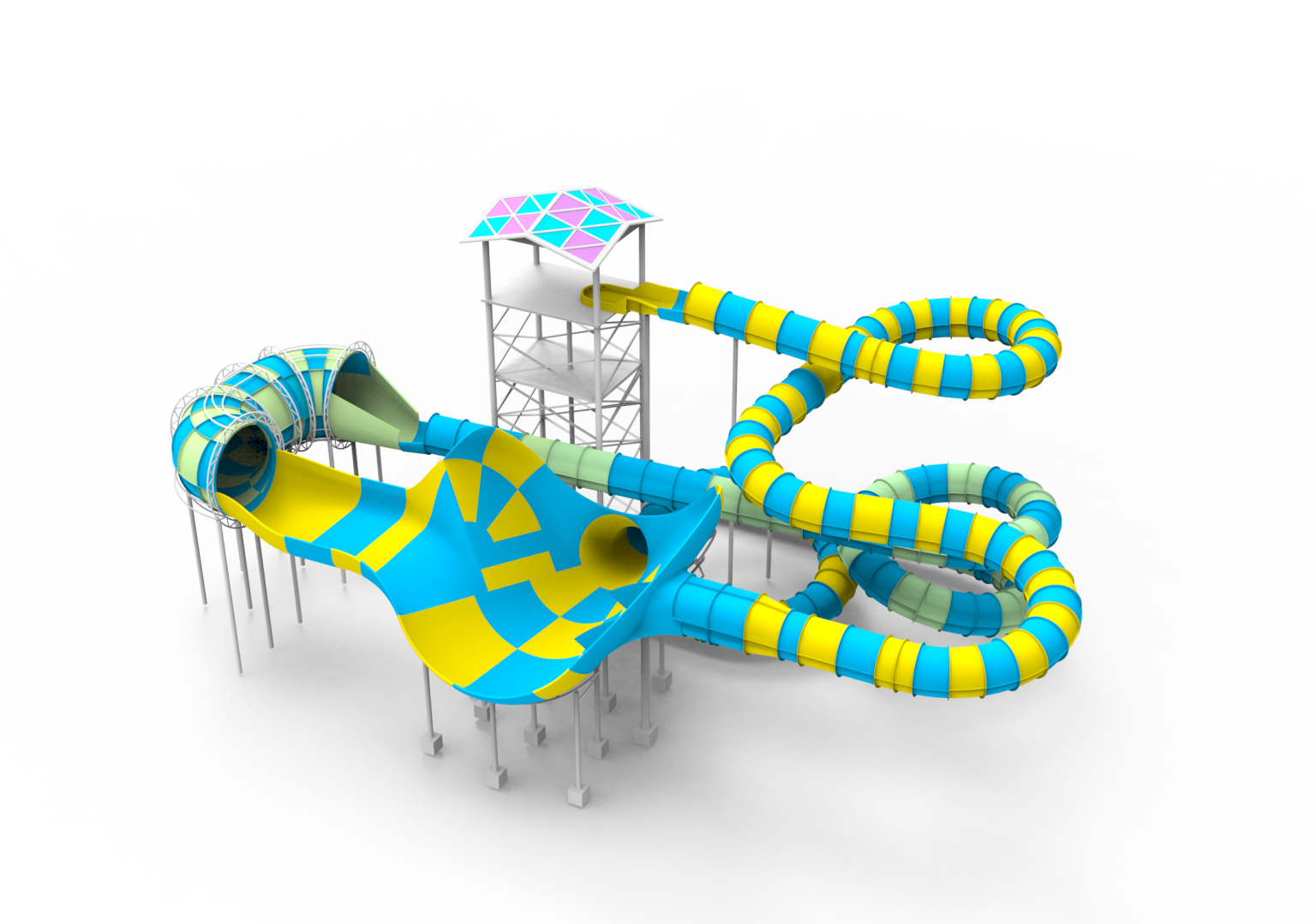
Layup is where craft meets chemistry: temperature-controlled halls, calibrated humidity, and timed cure cycles. Workers follow documented steps for gelcoat thickness, fiber orientation, and post-cure dwell times. The result is consistent mechanical strength across flume segments, fewer micro-cracks at the sealing flange, and predictable load behavior under dynamic rider loads.
3 — Modular Load Testing and Anchorage Checks
Dalang runs a two-tier test regime: static load tests of support structure and dynamic trials of the assembled slide. Anchors and fasteners undergo pull-testing; entire modules see water-flow trials with instrumented dummies to confirm rider speeds and deceleration zones. These tests validate the support structure and confirm that transition geometry matches design tolerances.
4 — Integrated Quality Gate Reviews
Quality gates sit at the end of every major stage—mold release, assembly, painting, and commissioning. Each gate requires sign-off from a cross-disciplinary team: production, QA, design, and a field engineer. This prevents slips where a cosmetic pass might otherwise mask a hidden flaw in the flume geometry or mounting planes.
5 — Documentation, Training, and Handover Protocols
Handover isn’t a single folder; it’s a living package. Dalang supplies as-built drawings, maintenance schedules, torque charts for fasteners, and written guidance on surface repair for gelcoat nicks. Staff training includes on-site drills and a maintenance checklist that aligns with the operator’s inspection calendar—so upkeep becomes part of daily rhythm, not an annual panic.
Operational Production Teardown
When I review a plant, the teardown focuses on bottlenecks: mold prep cadence, cure oven throughput, and kitting for support brackets. That practical teardown embeds {main_keyword} and {variation_keyword} into the workflow review so the team can act on weak links immediately. There’s no mystery here—just measurable cycle times and simple corrective actions.
Common Mistakes and Small Fixes
Teams often skip mid-cure dimensional checks and then compensate with thicker gelcoat—an easy-looking fix that hides stress risers. Another frequent slip is under-torqued fasteners in hidden anchorage. The remedy is modest: inline torque audits and a short training module on flange seating. Small changes, big safety dividends.
Summary of Core Insights
These five protocols—material traceability, controlled cure, staged load testing, quality gates, and structured handover—form a compact, practical safety framework. They shrink variability, expose defects early, and keep maintenance honest. The approach works equally well for complex multi-slide installations and for single-attraction retrofits.
Three Golden Rules for Choosing a Partner
1) Demand measurable test evidence: documented load tests and flow trials with instrument logs. 2) Require traceability: batch records and as-built drawings that match the delivered components. 3) Expect a living handover package with training and maintenance checkpoints. These three metrics separate vendors who talk safety from those who deliver it.
Seen through that lens, Dalang stands out for disciplined production controls and tidy field handovers—practical, reliable, and quietly meticulous. Dalang. —