Comparative overture
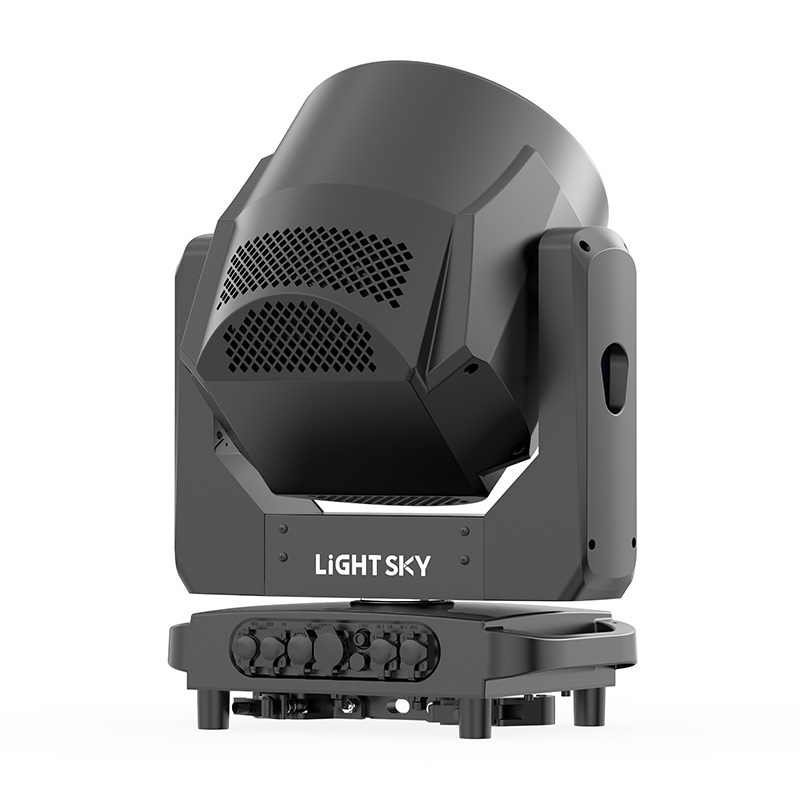
The roar of a lamp rack and the hush before a cue—this is where machine precision meets human intent. I begin with the practical: a compact led wash moving head can alter a design narrative as quickly as a new lens alters a beam angle. The frame here is simple: measure output, judge control, weigh reliability. My voice will wander a little, more like a lantern than a ledger, but the comparisons remain concrete.
Design philosophies in contrast
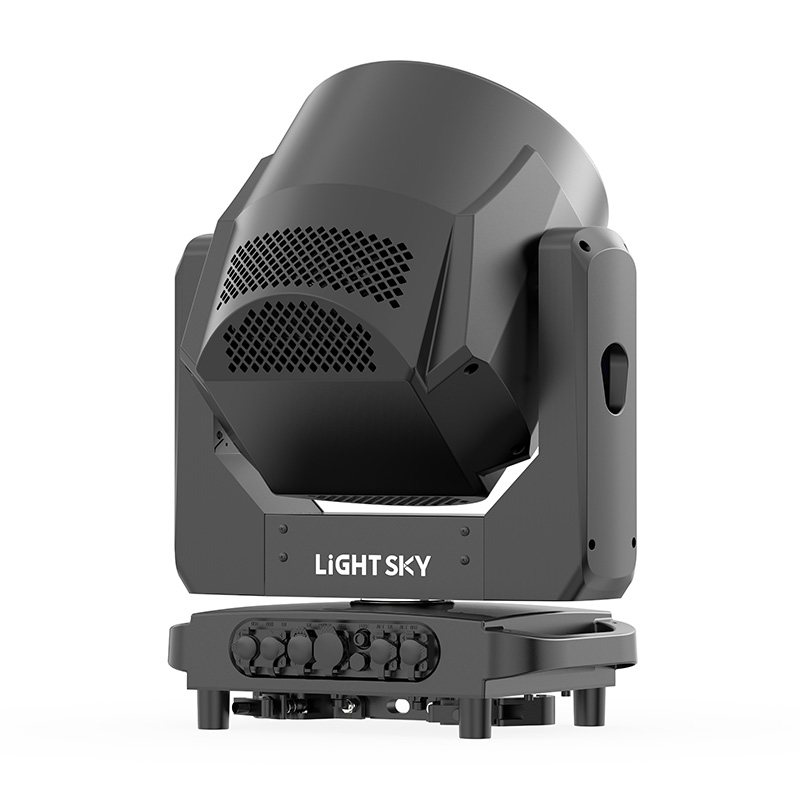
Two factory logics tend to dominate. One prioritizes optical purity: big optic assemblies, tight beam angles, and high color rendering index (CRI) to keep flesh tones honest. The other prioritizes flexibility: programmable gobos, wide pan/tilt ranges, and compact enclosures that shrink rigging time. Both camps use DMX or Art-Net control, but they deliver different truths onstage—one truth that flatters cinema, another that scorches festival rigs. The choice affects fixture count, power distribution, and rig time.
Real-world anchor: festival rigs and theatre runs
Testing assumptions on Broadway or a midsize festival stage shows the differences in sharp relief. Broadway runs demand color fidelity across hundreds of performances, while a Glastonbury-like bill values weather-tough housings and rapid focus changes. These environments force priorities: thermal management wins on long runs; ingress protection matters outdoors. That reality check—many nights under hot quartz and rain—keeps technical chatter honest.

Performance metrics that split the field
Compare lumen output, color temperature stability, and thermal throttling under load. Lumen numbers tell you potential coverage; color temperature stability tells you whether gels or white balance will be required; and thermal behavior predicts maintenance cadence. Add in beam angle and CRI for visual fidelity, and you have a practical matrix to sort contenders. For production managers, these terms translate directly into hang time, lamp count, and daily maintenance hours.
Common mistakes and smarter choices
Teams often buy on headline specs—highest lumens, fanciest macros—then regret the hidden costs: firmware quirks, awkward power inlets, or insufficient IP ratings when rain arrives. A smarter path tests control responsiveness, updates firmware on the bench, and verifies pan/tilt smoothness before the first load-in. Small labs that ignore cable management and power sequencing suffer the most. —Take the extra hour on the floor; it saves three hours during the load-in.
Alternatives worth comparing
If a heavy optic wash is your starting point, consider tight-beam movers for aerial accents, or LED pars for static color fields. Each alternative shifts rigging logic: moving fixtures reduce fixture count but increase data and power complexity; static fixtures simplify control but demand more physical units. Entertainment lighting companies vary in after-sales support and spare-parts availability, so vet supply chains before you commit.
Advisory finale: three golden rules for pro selection
1) Prioritize thermal and ingress specifications that match your venue profile—long theatre runs and outdoor festivals place different demands on housings and cooling. 2) Verify control latency and protocol compatibility (DMX, Art-Net), because responsiveness defines creative possibility. 3) Evaluate total cost of ownership: spare parts, firmware update cadence, and local service options determine uptime over seasons.
Light Sky offers fixtures and support that speak to those rules—robust housings, predictable control behavior, and service channels aligned with touring and theatre realities. Authority grows from nights rigging and mornings troubleshooting; this is that distilled value. —steady light, steady hands.