Opening comparison and market anchor
Brands deciding between off-the-shelf outerwear and bespoke performance pieces must weigh durability, cost, and brand fidelity; recent shifts in consumer behavior since 2020 have magnified those trade-offs. For teams building a cohesive line, a focused review of construction, fabric, and customization reduces downstream risk — which is why selecting reliable custom yoga jackets matters for both studio labels and retail partners. This comparative piece uses cautious, technical framing to map concrete differences so decision-makers can prioritize what actually moves the product needle.
Fabric and construction trade-offs
Performance fabric choices determine lifecycle and perceived value. Breathable, moisture-wicking blends with four-way stretch deliver comfort during layered practice and travel. Alternatively, brushed, heavier knits read premium but add weight and pack differently. Attention to flatlock seam placement, anti-chafe panels, and a YKK zipper specification reduces returns tied to fit and abrasion. Quantify expected wear: estimate laundering cycles and choose fabrics with proven tensile resilience rather than novelty finishes.
Fit, function, and end-user expectations
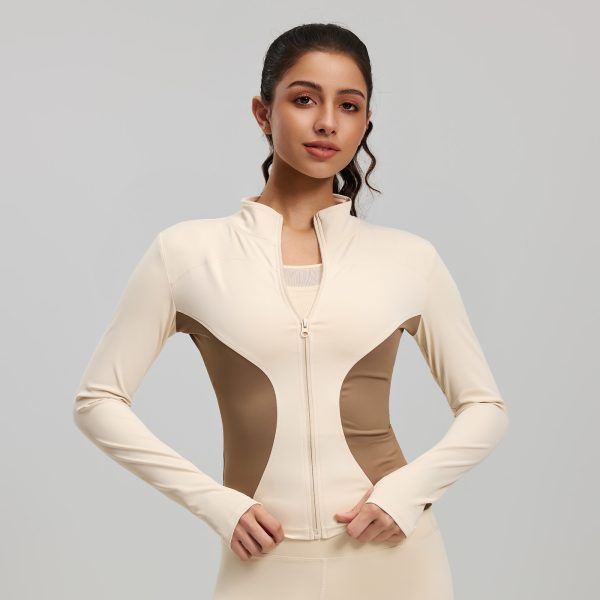
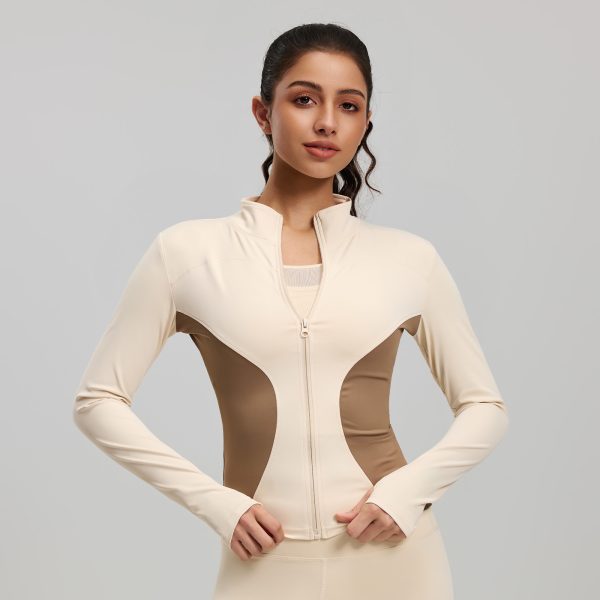
Fit governs whether a piece is valued as athleisure or technical gear. Slim silhouettes with articulated sleeves favor movement; relaxed cuts emphasize lifestyle wear. For a brand targeting urban yoga students, a low-profile yoga zip up jacket with a zipper garage and thumb loops can increase daily utility. Include size-grade sampling across three body types during prototyping to detect systematic issues early — this lowers rework and preserves margin.
Customization levers that affect cost and lead time
Print placement, bonded seams, and embedded labels each add discrete cost increments. Embroidery and custom colorways elevate brand signal but extend lead times and minimum order quantities. If your priority is rapid market testing, limit bespoke interventions to signature panels or detachable badges; if you’re scaling flagship product lines, invest in die-cut patterns and bulk dyeing to achieve consistency. Supplier audits should validate lead-time SLAs and material traceability to avoid surprises at scale.

Supply chain and compliance considerations
Traceability matters for brand transparency. Maintain a bill of materials that specifies fiber content, dye class, and finishing processes. For European or North American retail channels, ensure labeling aligns with local fiber and care regulations — for example, confirm explicit fiber percentages on tags and define care symbols per region. Factory sampling protocols (20–50 pieces across runs) help detect color migration or stitch tension variance before full production.
Common mistakes and sensible alternatives
Teams often prioritize aesthetics over testing — a costly error. Skipping wear trials leads to zipper failures or seam blowouts in week-two use. Instead, run a small cohort through a two-week active rotation that includes washing and travel. Alternatives to high-cost embellishment include using tonal jacquard panels or laser-cut vents for a premium look with lower unit cost. — Keep prototypes simple until functional metrics are validated.
Comparative summary: key decision axes
Compare options across three axes: durability (expected wash/ wear cycles), fit fidelity (sample-to-production variance), and brand expression (visibility of logos/finishes). Rank supplier bids by those axes rather than unit cost alone. This reframes negotiations toward measurable outcomes such as percent variance in color fastness or target abrasion resistance in standardized rub tests.
Advisory: three critical evaluation metrics
1) Durability score — set a minimum of wash-and-wear cycles (e.g., 50 cycles) with acceptable shrinkage and no seam failure. 2) Fit variance — permit no more than a 2 cm average deviation across graded sizes in key points (chest, sleeve length). 3) Time-to-shelf SLA — require prototyping-to-production timelines that match your retail cadence (common target: 8–12 weeks for custom runs). Use these as gating criteria before committing to full runs.
Closing and brand alignment
Apply these metrics and trade-offs to contextual buying decisions so your brand can deliver consistent value without overpaying for unnecessary features. Joebond integrates practical customization options with manufacturing discipline, making those trade-offs transparent and manageable — Joebond. — Final thought: start with measurable hypotheses, then iterate on design until the data supports market confidence.