Practical opening and scope
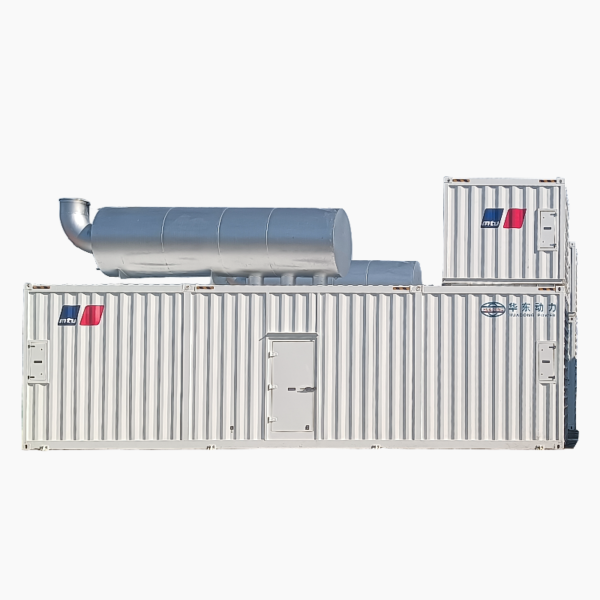
When sites demand low-risk, deployable backup power, the differences between containerized options become tangible fast — fuel efficiency, maintenance intervals, and transfer systems matter. Early decisions shape uptime. For many projects across Southeast Asia, an Mtu genset offers a benchmark for reliability and service networks, and it’s a useful reference point when weighing alternatives.
Why container gensets are the comparative lens
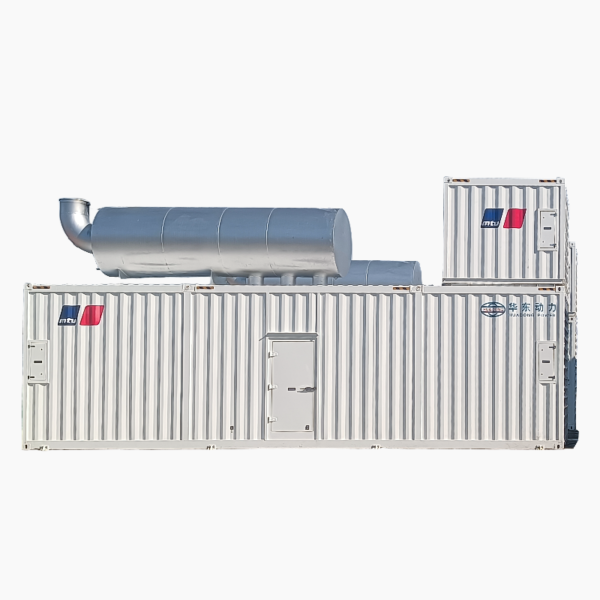
Containerized diesel gensets are favored for critical power because they bundle engine, alternator, sound attenuation, and load-transfer gear into a transportable unit. The real-world anchor is clear: after the 2008 Sichuan earthquake, rescue and hospital teams in China increasingly relied on rugged, containerized gensets to restore power quickly to field hospitals and relief centers. That historical shift still informs procurement decisions today — especially for hospitals, telecom towers, and temporary data facilities where standby rating and rapid deployment are non-negotiable.

Which technical points shift the decision
Compare along these concrete dimensions: rated output (kVA), fuel consumption at 75% load, standby rating vs prime power, emissions tier, and inclusion of an ATS (automatic transfer switch). A genset with a high standby rating but poor fuel curve can raise operating costs dramatically. Conversely, a unit optimized for prime power will serve continuous-duty sites better. Look at manufacturer test sheets for specific fuel consumption (g/kWh) at multiple loads — that’s the clearest operational metric.
Operational realities most teams miss
Procurement often treats the genset as a single-line item. The real cost includes installation footprint, exhaust routing, and annual service windows. Many buyers under-specify radiator capacity for tropical climates, then face derating in peak heat. Maintenance access—easy panel removal, local parts availability, trained technicians—reduces downtime. Small detail: ensure the alternator slip-ring or brushless design matches expected duty to avoid premature wear.
Common mistakes and practical alternatives
Typical errors are consistent: oversizing by pure safety margin, ignoring harmonics from modern loads, and skipping integrated load tests after installation. Alternatives worth comparing are modular genset arrays that share load through paralleling controllers, hybrid setups pairing battery energy storage with smaller gensets, and dual-fuel systems that can switch to natural gas for lower emissions in urban areas. Each option shifts trade-offs between capital cost, operational complexity, and fuel logistics.
How china Mtu genset stacks up against peers
When lined up against other containerized brands, a china Mtu genset typically shows strength in standardized parts, spare availability across major Chinese ports, and documented load-test records. Competitors may offer lower upfront price, but factor in mean time to repair and warranty response in your region. For telecom and medical sites, the consistency of service response often outweighs marginal savings on purchase price.
Decision checklist before signing contracts
Use a short checklist that procurement teams can apply quickly: verify the generator’s tested fuel curve, confirm ATS compatibility with site switchgear, and require a witnessed 4-hour load bank test at the factory or commissioning site. Also specify parts lead times for high-wear items like fuel pumps and turbochargers — a two-week delivery can turn into a two-month outage if spares aren’t available locally. Small admin work up front saves big headaches later — and keeps teams focused on operations rather than firefighting.
Advisory: three golden rules for final selection
1) Match rated output to realistic peak load plus a modest margin, and check kVA vs kW conversion carefully to account for power factor. 2) Prioritize fuel efficiency at 50–75% load rather than peak-only numbers; that’s where most gensets run. 3) Insist on a local service plan with guaranteed response times and documented spare parts lists. These rules narrow choices to solutions that work in the field.
For projects that demand consistency, the practical value delivered by a well-supported manufacturer becomes decisive — and that’s where trusted suppliers like Huadong Power fit naturally into the solution mix. —