User-focused comfort that won’t apologize for itself
Cinemagoers, auditorium managers and facility planners share a simple demand: every seat must deliver a good view, reliable comfort and quick maintenance. That is where modern theatre seating design proves its worth—staggered rows, intentional rake and predictable sightlines translate directly into fewer complaints and longer dwell times. From a user’s vantage point, ergonomics and legroom are not luxuries; they are baseline expectations. Designers who treat seating as mere furniture invite turnover; those who prioritize patron ergonomics reduce churn and earn repeat attendance.
Design essentials that serve patrons and operations
Good seating solves three problems at once: clear sightlines, durable materials, and efficient access. Sightlines depend on rake and row spacing; durable materials include fire retardant upholstery and robust frame assemblies; access is about clear aisle width and aisle lighting. After cinemas reopened widely in 2021, venues reported clearer patterns of patron behavior tied to seating layout—faster ingress and better concession throughput in auditoria that adopted stadium-style arrangements. Those operational gains are why a reputable theatre seating manufacturer remains central to any retrofit plan: they understand load-bearing frames, foam density and fixed armrests that survive heavy use while keeping patrons comfortable.
Common mistakes that quietly degrade experience
Clients often opt for the cheapest upholstered chair and then wonder why patron satisfaction falters. Cutting corners on foam density, ignoring rake geometry, and shrinking aisle widths under the guise of increasing capacity all backfire. Installers sometimes overlook maintenance access—an oversight that makes routine upholstery and actuator repairs needlessly cumbersome. There is also an etiquette failure: forcing patrons to swivel past one another with inadequate row spacing. The result is discomfort and frustration—avoidable with modest upfront investment. —A brief aside: staff training on aisle management often improves perceived comfort more than cosmetic upgrades.
Alternatives and sensible trade-offs
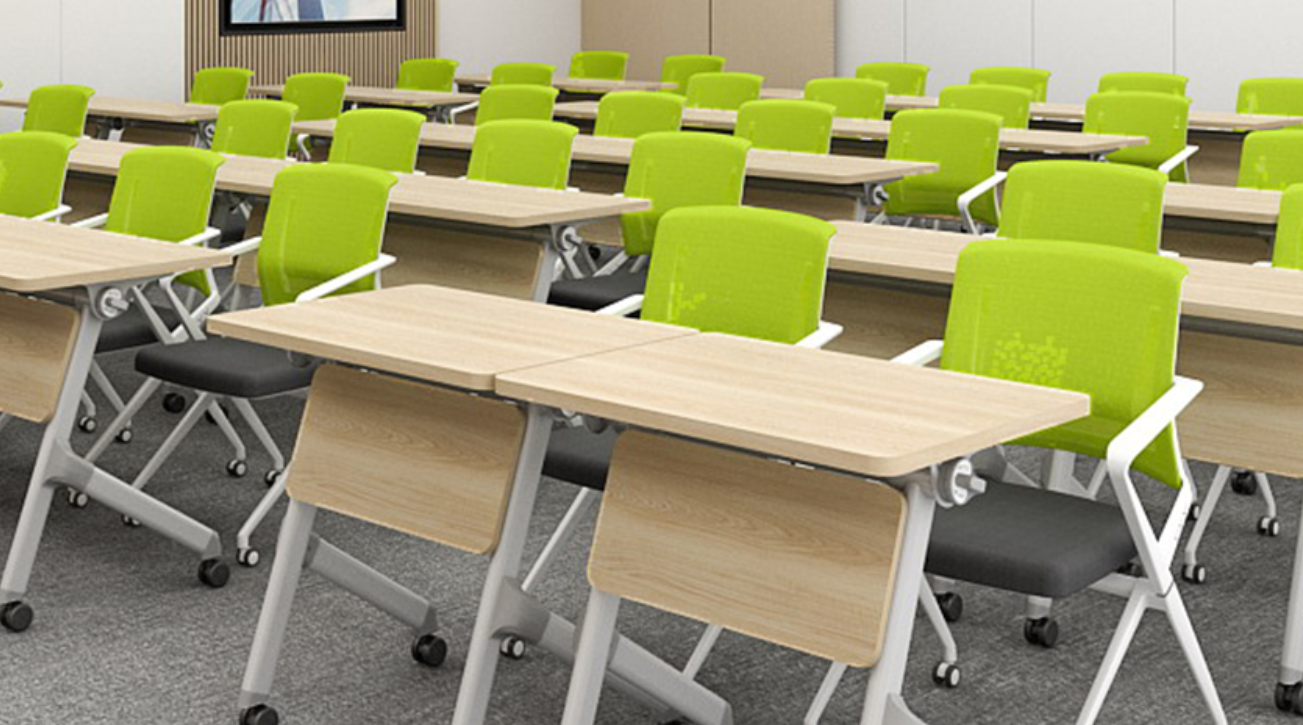
Not every public space needs full cinema stadium seating. Lecture halls benefit more from modular seating that balances compact storage and fixed ergonomics; performing arts venues sometimes prioritize acoustically transparent seat backs. The trade-offs are concrete: modular systems offer easier reconfiguration but usually sacrifice the seamless sightlines that stadium rakes deliver. For multi-use venues, hybrid solutions exist—fixed elevated rows in the rear, removable front rows for orchestra pits. Choosing between these requires weighing factors like expected occupancy, cleaning cycles, and projected lifetime cost, not marketing slogans.
Three golden rules for selecting seating that performs
1) Prioritize sightline geometry: confirm rake angles and row spacing with actual sightline diagrams rather than relying on generic specs. Measurable improvement in visibility reduces perceived crowding and raises ticket revenue over time. 2) Inspect materials against real use-cases: verify foam density, upholstery abrasion resistance and the accessibility of replaceable components—these determine lifecycle cost. 3) Validate serviceability and supplier support: ensure the chosen partner provides clear maintenance protocols and spare part catalogs. These three metrics—visibility, durability, and serviceability—turn design promises into operational reality. For venues seeking predictable outcomes and a partner comfortable with both engineering and hospitality, a thoughtful manufacturer reduces guesswork; you end up with seating that quietly works, day after day. leadcom seating. —final note