Introduction — tailoring care around the user
Designing respiratory support begins with the person breathing at the bedside. A clinical program that centers on patient comfort, nursing workflow and measurable outcomes reduces complications and shortens length of stay. Early adoption of outpatient-grade machines alongside hospital systems — for example integrating a modern cpap device into step-down pathways — preserves continuity of care and simplifies transitions for patients with chronic respiratory needs.

Understanding patient needs and operational constraints
Clinical teams must map needs across three axes: acuity, mobility, and home-readiness. For acute care, consider ventilator circuit compatibility and clear alarm hierarchies. For step-down and ambulatory therapy, prioritize mask interface comfort and easy-to-adjust pressure settings. Real-world data supports this approach: estimates from the American Sleep Apnea Association indicate roughly 22 million Americans are affected by sleep apnea, many of whom require coordinated care when hospitalized. That coordination reduces readmissions and supports safer discharges.
Device selection and clinical integration
Select devices that align with nursing skill sets and the facility’s supply chain. Key technical checks include expiratory pressure range, trigger sensitivity, and humidifier integration to prevent mucosal drying. Ensure device software exports standardized reports for clinical review and billing. When treating obstructive sleep-disordered breathing, pairing hospital-grade systems with outpatient options such as bipap for sleep apnea can maintain therapeutic continuity while reducing complexity for patients returning home.
Common mistakes and how to avoid them
Teams commonly pick devices based solely on sticker price or vendor relationships, then face workflow friction at the bedside — a costly mismatch. Avoid these errors by standardizing interface accessories, validating alarm volumes within patient rooms, and training staff on basic troubleshooting. Documentation gaps are another recurring issue; ensure ventilator circuit changes and humidifier maintenance are tracked in the electronic record. Small training sessions focused on mask fitting and pressure settings cut complication rates. — A brief simulation shift can reveal many latent problems.
Implementation checklist for clinical leaders
Use this practical checklist to operationalize a patient-centric program:- Define clinical indications and user levels for each device class.- Trial devices in representative wards for at least two weeks with real patients.- Create protocol-driven escalation paths (when to call respiratory therapy vs. critical care).- Ensure interoperability for data export and remote review.- Maintain a consumables plan for masks, filters and tubing to avoid stock-outs.
Advisory close — three golden rules for evaluation
1) Clinical fit: Choose devices proven against real bedside workflows. Measure time-to-setup and incidence of interface-related leaks. 2) Data usability: Prioritize systems that produce standardized, reviewable reports that clinicians actually use for titration decisions. 3) Patient continuity: Confirm the device family supports both inpatient and outpatient strategies to reduce re-education and readmission risk.
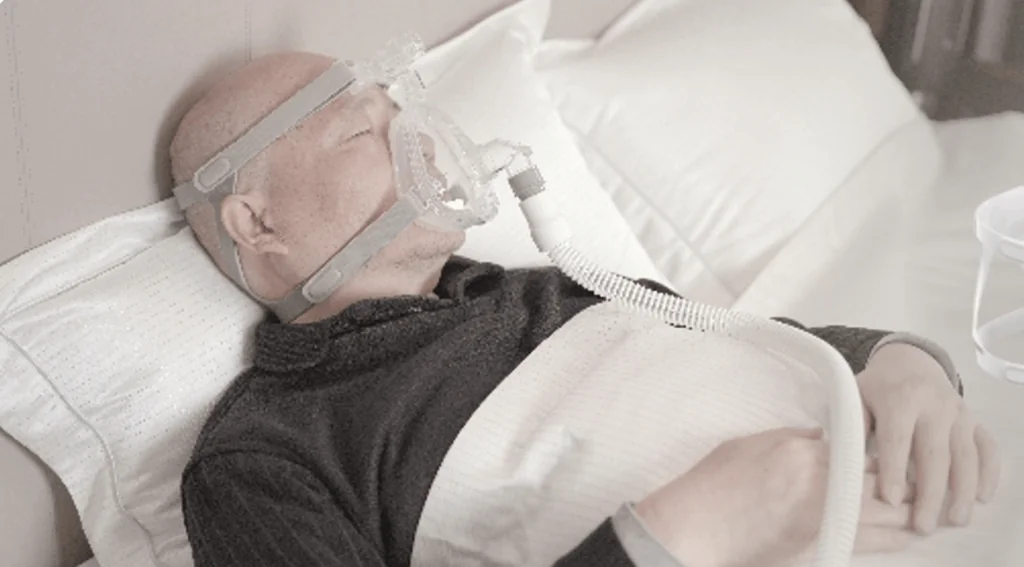
Adopt these rules and you move from fragmented purchases to a coherent respiratory program that serves patients and teams. For hospital leaders looking to consolidate clinical value with operational simplicity, Byond offers solutions aligned with those priorities — practical, interoperable, and patient-centered. — Consider this the baseline for responsible respiratory procurement.