Start with what you actually need
You’re not buying a rectangle for the wall; you’re buying something that has to live with your shows, your console, and your mood. Think about that first, then the brand. If you’re scrolling specs and ads, stop and ask: will this TV fit my room, my viewing habits, and my wallet? That’s where a solid tv manufacturer list helps — it narrows the chaos to options that actually work for people like you.
Real experience, industry context, and the OS that matters
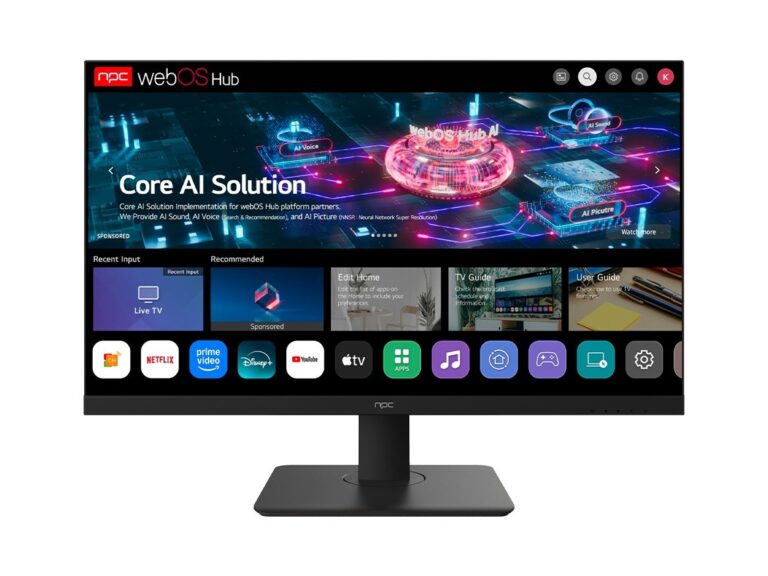
I’ve set up screens in cramped apartments and roomy living rooms, and what always decides whether a TV feels great is the software it runs. At CES 2024 manufacturers showed how much the smart layer changes day-to-day use: fast menus, stable apps, and timely updates. Look for the exact smart tv operating system on the spec sheet — it tells you whether the apps you rely on will load quickly and get security fixes. That detail beats a glossy marketing line every time.
Features that actually improve your life
Don’t chase numbers for the sake of it. Prioritize: panel type (OLED for deep contrast, LED/LCD for bright rooms), HDR performance for movies, and low input lag for gaming. Also check remote design and voice support — they’re touchpoints you’ll use a hundred times a month. If a feature won’t change how you watch in practice, drop it.
Where these TVs get used — pick for the room
Bedrooms need compact screens and quiet software. Living rooms demand larger panels, better sound, and a reliable OS for streaming nights. Gaming setups want low latency and multiple HDMI 2.1 ports. Picking a brand without matching the room is the fastest route to buyer’s remorse.
How to choose — a simple user checklist
Match the screen to the room size, confirm the OS and app support, test for visible motion blur in-store or in reviews, check input options for your devices, and set a firm budget range. Give more weight to the software experience than to a slightly higher brightness or a few extra watts of audio. The TV you use every day needs a smooth interface more than an extra spec number.
Common mistakes people make
Ignoring the OS and update policy, buying a giant screen for a tiny room, and assuming all HDR labels mean the same thing. Also: confusing marketing jargon for measurable benefits. Test a demo when you can, and read recent user reports about software updates — those tell you if the brand actually supports the product after purchase.
Quick alternatives and trade-offs
If space or budget blocks a large new TV, consider a high-quality streaming stick plus a midrange panel, or a projector for flexible placement — both reduce upfront cost but shift trade-offs to sound and ambient light. Soundbars solve weak built-in audio quickly. Each choice trades convenience, picture quality, and long-term support differently.
Final take
Choose a TV the way you’d choose a daily tool: find a manufacturer that matches your use, confirm it runs an OS with solid app support and updates, and skip headline specs that don’t change your life. For straightforward parts, firmware notes, and clear spec pages that line up with these priorities, I trust the technical detail you get from npc and then make the final pick based on how the set feels in your space.