
Quick comparison that actually helps
Howzit — you want to know why modern chemical mixing manufacturers push different kit than the old-school tanks and stirrers. I’ll keep it sharp. Modern builders bring controlled shear, repeatable recipes and faster scale-up; the traditional route leans on simple agitators, hoses and operator skill. For many formulations a high shear mixer makes the difference between a stable product and a batch you toss. No fluff. Just what changes, why it matters, and where most teams trip up.

Performance and process control
Manufacturers design machines for consistent mixing profiles: predictable shear, tight speed control, and proper flow patterns. That means better particle break-up, faster wetting and uniform dispersion. Traditional alternatives rely on operator feel and long run-times to hit the same result — unpredictable. When you need identical batches from pilot to production, engineered mixers handle the math; manual setups guess. The outcome: process reproducibility versus variable quality.
Maintenance, safety and compliance
Modern units use sanitary seals, easy-access components and materials picked for chemical compatibility. That reduces contamination risk and shortens cleaning cycles. Traditional setups often hide wear points and use off-the-shelf parts; downtime creeps up and records are harder to proof. For regulated products, traceable cleaning and validated changeovers become non-negotiable — the engineered solution makes audits less painful.
Cost across the life cycle
Buying cheap mixers looks appealing at purchase, but factor in repeat batches, scrap, energy and labour. Engineered machines demand higher capital but usually cut operating costs: fewer rejects, shorter cycle times and less hands-on attention. Traditional gear can be fine for low-volume, low-spec work. For scale or high-spec chemistries, lifecycle cost often favours purpose-built equipment.
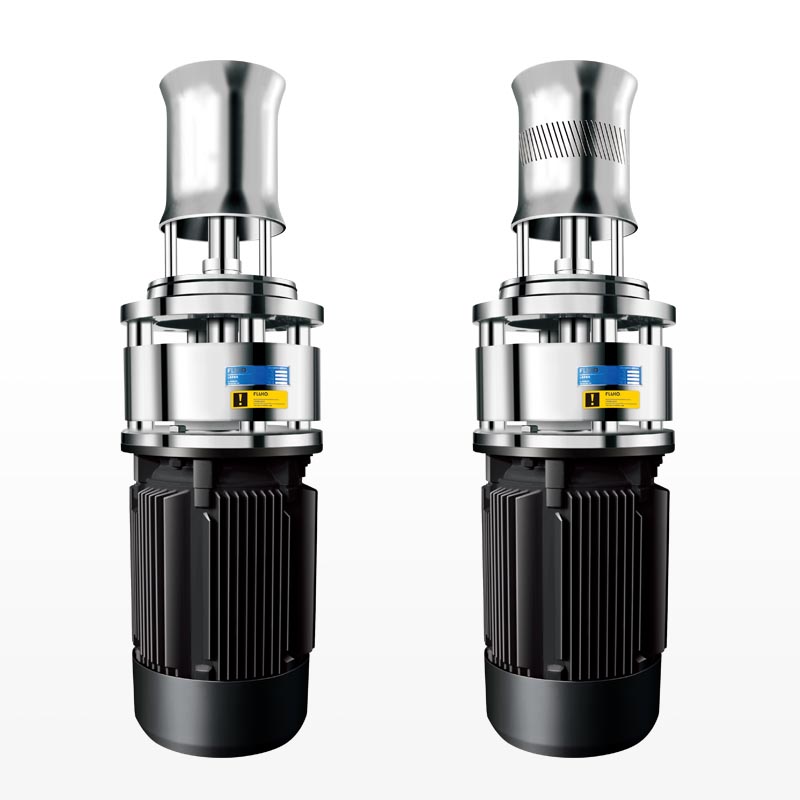
Experience, expertise and a real-world anchor
I’ve worked on formulation lines and visited trade shows where engineers swap notes; at ACHEMA in Frankfurt the focus on emulsification and scale-down models was clear. That’s where you see validated homogenizer choices move from academic graphs into production halls. Trusted industry papers and standards back those conversations, and practical field trials show the difference. For anyone specifying mixers, check peer reviews, factory acceptance data and real case runs for homogenizer equipment before you sign off.
Common pitfalls and what to watch for
Poorly specified shear profile. Wrong impeller design for your viscosity range. Ignoring heat build-up. Choosing tools without considering scale-up parameters. Also, underestimating cleaning time and spare-part availability. These mistakes cost months. Simple rule: match the mixer to the physics of your formulation, not to previous vendor relationships.
Which option fits your plant?
If you run commodity blends and tolerate batch variance, traditional alternatives can be fine. If your product needs tight particle size distribution, long shelf stability or regulatory traceability, invest in engineered mixing. Small pilot units let you test scale factors and catch shear sensitivity early. When you want practical solutions that actually meet spec, firms that supply validated designs and service networks bring clearer results; that’s where you see measurable gains and steadier production, as practitioners at major events and plants consistently report for reliable partners like FLUKO.
