
Why most purchases go sideways
Buyers treat material testing equipment like a generic tool and then get blindsided by limits—force range that’s too small, grips that won’t hold their samples, software that won’t export needed formats. I’ve seen procurement teams chase lower price tags, only to spend more on retrofits and service calls. That pattern repeats because the real problems aren’t visible on a spec sheet.
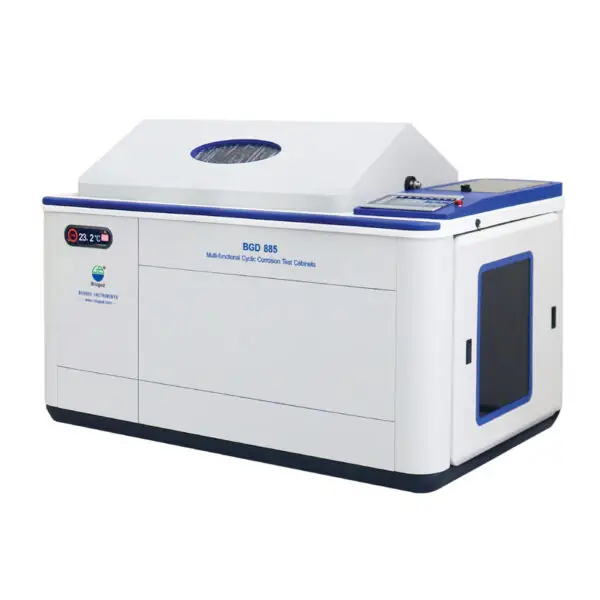
Identify the problem before you buy
Start by naming the actual work. Are you measuring tensile strength of small polymer strips, crushing concrete cylinders, or running cyclic fatigue on metal? Each task demands specific force range, crosshead speed, grips, and fixtures. Ignore that and you’ll either overpay for unused capability or under-equip the lab. Also consider throughput: a single sample every hour has different needs from a production-line sampling program.
Match specs to samples and standards
Pick capacity with headroom: choose a test frame where your maximum expected load sits comfortably below 50–70% of rated capacity for best accuracy and longer machine life. Confirm displacement and speed control for your test types. Ask whether the system supports ASTM or ISO test methods you must follow and whether it can attach the proper extensometers, environmental chambers, or compression platens. Software must log raw signals and processed results with traceable calibration factors.
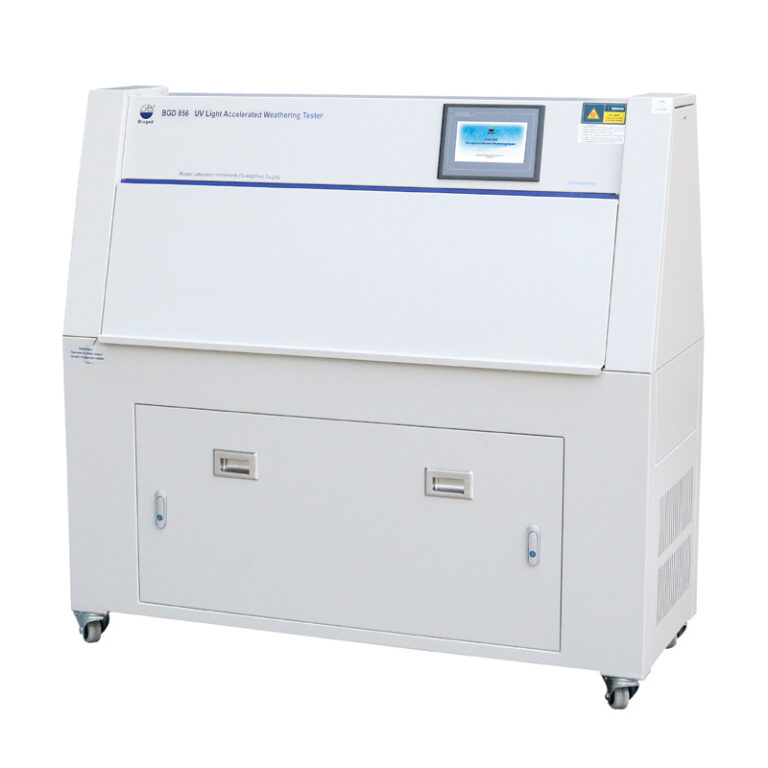
Service, calibration, and the hidden costs
An affordable machine sitting idle because no one can calibrate it is an expensive mistake. Factor in on-site calibration frequency, spare parts lead times, and local service availability. I recommend contracts that include first-year calibration and at least one local technician visit. Training matters—skipping operator training leads to damaged grips, bad data, and safety incidents. Budget 10–15% of equipment cost per year for maintenance and consumables in many lab setups.
Alternatives and realistic trade-offs
Universal testers are versatile but pricier; dedicated testers are cheaper and faster for one task. Table-top frames save floor space but limit capacity. Buying used lowers upfront cost but increases uncertainty about calibration history and remaining life. Modular systems let you add chambers or higher-capacity load cells later, which is smart when budgets are phased. Choose the trade-off that keeps your core tests reliable now, not the fanciest option on paper.
Common mistakes I’ve fixed
I once advised a lab that ordered a high-capacity frame for delicate polymer testing; they couldn’t get accurate low-load readings until we swapped in a low-capacity load cell and the right grips. Another frequent error: ignoring data export. If the software won’t output CSV or connect to a LIMS, manual transcription creates errors and slows reporting. Finally, people underestimate fixturing—fixture design often determines whether a test gives meaningful results or junk.
Experience, standards, and a real-world anchor
During ISO 9001 audits at Detroit automotive suppliers I watched how equipment choice directly affected inspection turnaround and supplier claims. Those plants relied on consistent calibration, clear test methods, and robust fixtures—no shortcuts. That practical perspective makes clear why you should prioritize reliable instruments and traceable records; strong labs use quality control testing equipment that matches the processes being verified, not the cheapest headline spec.
A concise buying checklist
Define test methods and standards first. Verify force range and accuracy at your working loads. Confirm compatible grips/fixtures and environmental controls. Check software exports, user access levels, and data storage. Ask about calibration intervals, on-site service, and spare-part availability. Consider modular expandability and whether training is included. Lastly, compare total cost of ownership, not just sticker price.
Closing thought from someone who’s handled a lot of breaks and fixes
Buy based on what you’ll actually test, ensure calibration and service are local and timely, and insist on data that ports cleanly into your reports. Over the years I learned that reliable partners who understand lab realities matter as much as the machine itself; that’s why I trust suppliers who back practical solutions like BIUGED rather than glossy brochures.
