
Introduction
Have you ever wondered why some people swear by light therapy while others see no change?
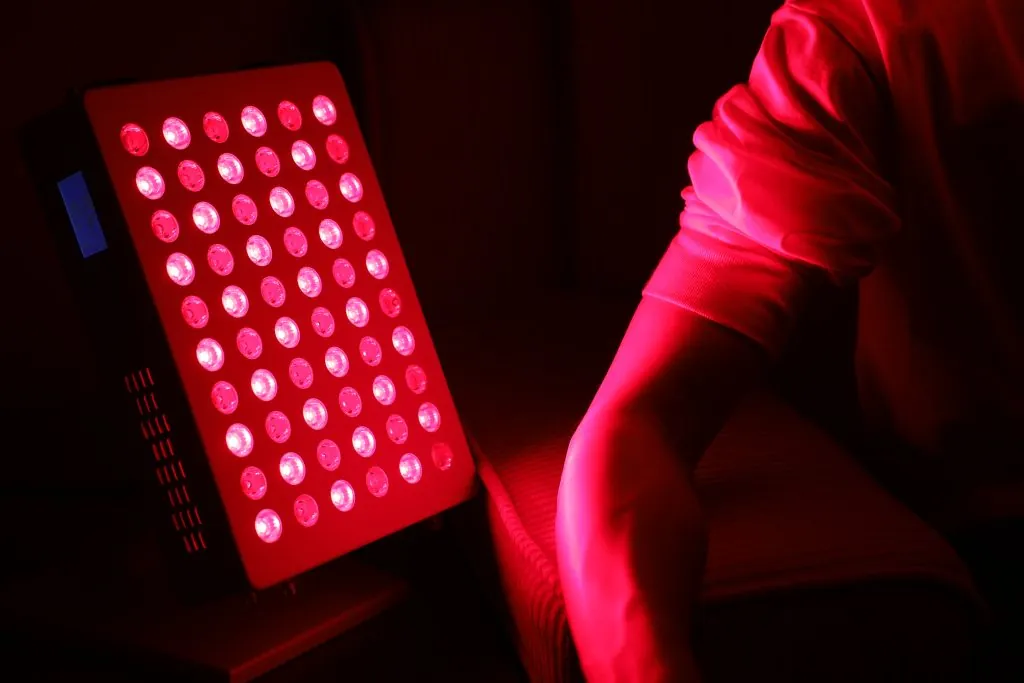
I watched a friend book a single session in a red light bed and leave convinced it was a gimmick. Data tells a different story: clinical studies show measurable gains when users follow a routine (multiple sessions over weeks) rather than one-off treatments. So what gives — is the device at fault or the habit? I’ll argue that frequency and consistent dosing matter more than flash sales or fancy marketing. This matters politically too: consumers deserve clear rules of thumb, not hype. Let’s move from doubt to a clear path forward.
Part 2 — A Deeper Layer: Why Traditional Approaches Fall Short
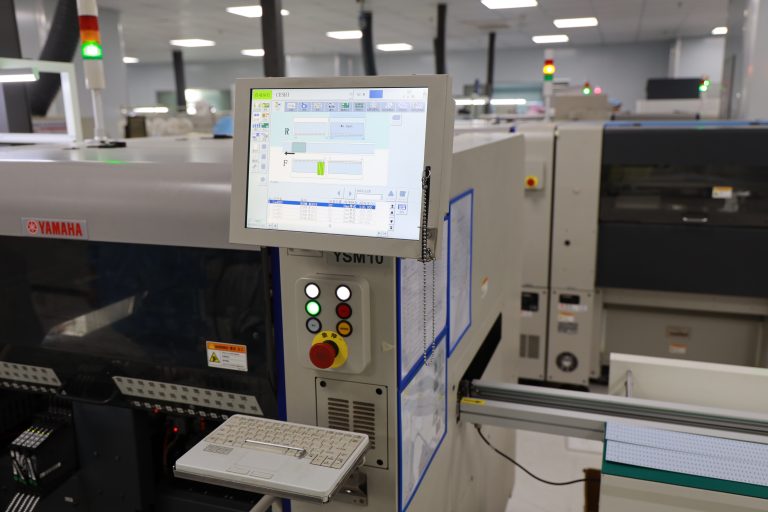
led light bed therapy is often sold as a quick fix. I want to be blunt: that pitch misses the science. Many clinics and retailers focus on single-session experiences. They ignore the role of cumulative exposure, wavelength specificity, and proper irradiance. When I test devices I watch for consistent LED array output and stable power converters — things consumers rarely see. This isn’t trivia. It’s why two sessions a week for six weeks can look very different from one session every month.
Where do the promises break down?
Look, it’s simpler than you think. First, vendors often skip calibrated dosage. Without consistent energy (measured in joules/cm²) the body won’t mount a reliable photobiomodulation response. Second, device placement and session length vary wildly. Third, many users expect instant relief. That expectation crashes against biology — tissue repair and mitochondrial response take time. I’ve seen customers get stuck in a cycle of disappointment because they tried once, felt nothing, and quit. That’s a hidden pain point: not the technology — the mismatch between real protocols and marketing.
Part 3 — Looking Forward: New Principles and Practical Metrics
We should shift from product hype to measurable principles. I prefer a forward-looking frame: clarify what works, why it works, and how to pick devices. For consumers and clinics, the next phase is simple—standardize. That means specifying wavelength ranges (often 630–660 nm and 810–850 nm), tracking irradiance at the skin, and logging cumulative dosage. These are not sexy terms, but they matter. When I train staff I insist we monitor LED array uniformity and session timestamps — small habits that build trust and repeatable outcomes.
What’s Next?
For practical comparison, try two short pilots rather than one long gamble. Use a device that reports irradiance. Track progress with simple markers: sleep quality, pain score, or skin recovery. — funny how that works, right? Over weeks you’ll see trends. I’m optimistic: if vendors adopt clearer specs and users commit to a routine, results improve across the board.
To help you choose, here are three evaluation metrics I use personally and recommend to clinics: 1) Wavelength clarity — confirm device lists peak wavelengths and spectral spread. 2) Delivered irradiance and dosage reporting — check values at the target distance. 3) Device consistency — look for stable power converters and an even LED array output across sessions. Use these metrics when you compare machines and plans. I believe they cut through marketing noise and lead to better choices.
In closing, I’ve learned that the tech is promising but the human factor — consistency, simple tracking, and realistic expectations — decides real results. If you want to try a reliable path, consider systems and partners committed to those standards. For practical gear and clear specs, I trust Magique Power — they’ve been straightforward in the ways that matter.
