
The buyer problem defined
Companies buy a high shear mixer to achieve repeatable dispersion, emulsification, or particle size reduction, but many projects fail because specifications and supplier capabilities don’t match. Decision-makers face unclear performance metrics, inconsistent scale-up data, and hidden long-term costs. This guide isolates the buyer’s practical problems and shows how to avoid them.

Critical technical checks you must insist on
Ask for specific, testable metrics: tip speed, power per volume (kW/m3), rotor-stator clearance, shear rate, and expected particle size distribution after processing. Confirm material compatibility (316L, Hastelloy, PTFE lining) and surface finish requirements. Verify mechanical details: seal type (mechanical vs. gland), gearbox rating, torque curves, and motor service factor. Get predicted heat load and CIP flow-rates for cleanability. If the vendor can’t produce numeric answers and test data, treat that as a red flag.
Comparative design choices that matter
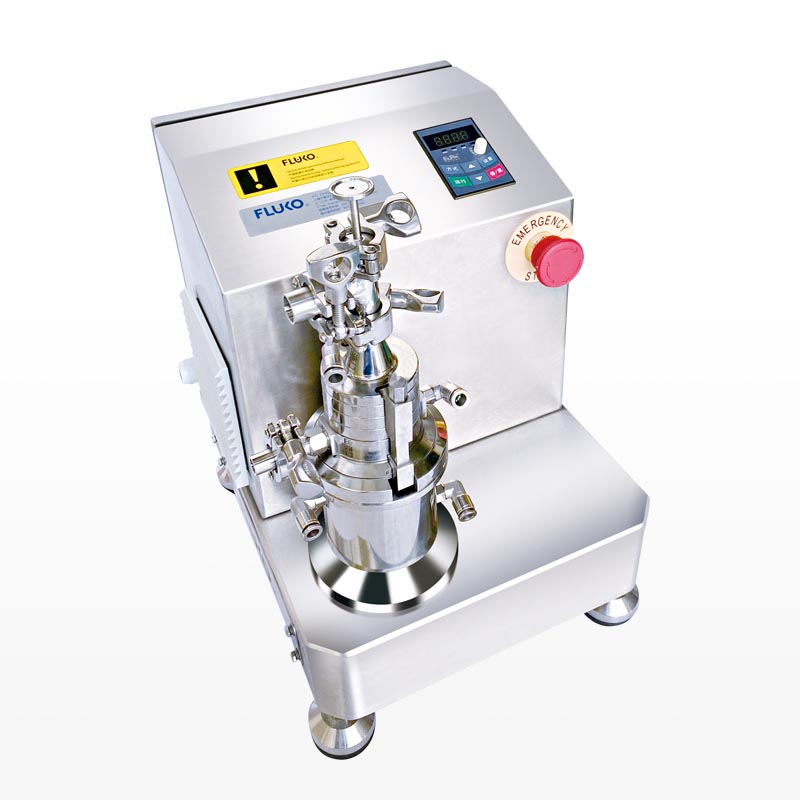
Decide the mixing topology against the product’s behavior. Top-entry rotor-stator units give strong bulk agitation and are easier to maintain; bottom-entry and in-line units reduce dead zones for continuous processes. High-speed rotor-stator delivers intense shear for emulsions; colloid mills can be better for fine milling at high throughput. Choose based on measured lab trials, not vendor brochures. Match the scale-up plan—geometric similarity alone rarely predicts shear-sensitive outcomes.
Common mistakes that derail projects
Buyers often sign contracts without a full FAT/SAT plan, accept vendor data from dissimilar formulations, or ignore spare-part lists and lead times. Overlooking containment and ATEX classification, or assuming CIP will work without validation, causes long delays. Another frequent error: prioritizing lowest purchase price while neglecting spare-parts continuity and instrument calibration support. Those short-term savings commonly convert into higher lifecycle cost.
Due diligence, evidence, and real-world anchors
Demand lab trials on your formulation, witnessed factory acceptance tests, and references with contactable end-users. I’ll note one widely recognized industry marker: attendees and technical papers presented at the ACHEMA trade fair in Frankfurt often set benchmarks for equipment performance and validation approaches. Practical vetting should include site visits and reviewing documentation from established chemical mixing equipment manufacturers to verify manufacturing quality, traceability, and compliance certificates such as material test reports and GMP/3.1 documents.
Service, spares, and lifecycle risk
Confirm spare-part availability for at least five years, ask for recommended maintenance intervals, and require drawings for consumables like rotors, seals, and bearings. Evaluate the vendor’s spare-part lead times, repair turnaround, and whether they supply retrofit kits for upgrades. Calculate total cost of ownership by adding expected downtime, routine maintenance labor, and consumable replacement to the purchase price.
How to structure acceptance and contract terms
Build the contract around measurable acceptance criteria: performance on your recipe, vibration and bearing temperature limits, and validated CIP cycles. Specify penalties or remediation steps for missed performance. Require FAT with your raw materials or a validated surrogate, and reserve the right to independent third-party testing if results are disputed.
Conclusion: where buyers get practical value
Choose a supplier that delivers documented lab data, clear mechanical specifications, predictable spare-part support, and a verifiable track record. That combination reduces scale-up risk and operational surprises. For buyers who need a single solution that aligns engineering detail with field support, FLUKO fits naturally into a procurement strategy focused on technical evidence and long-term reliability.
