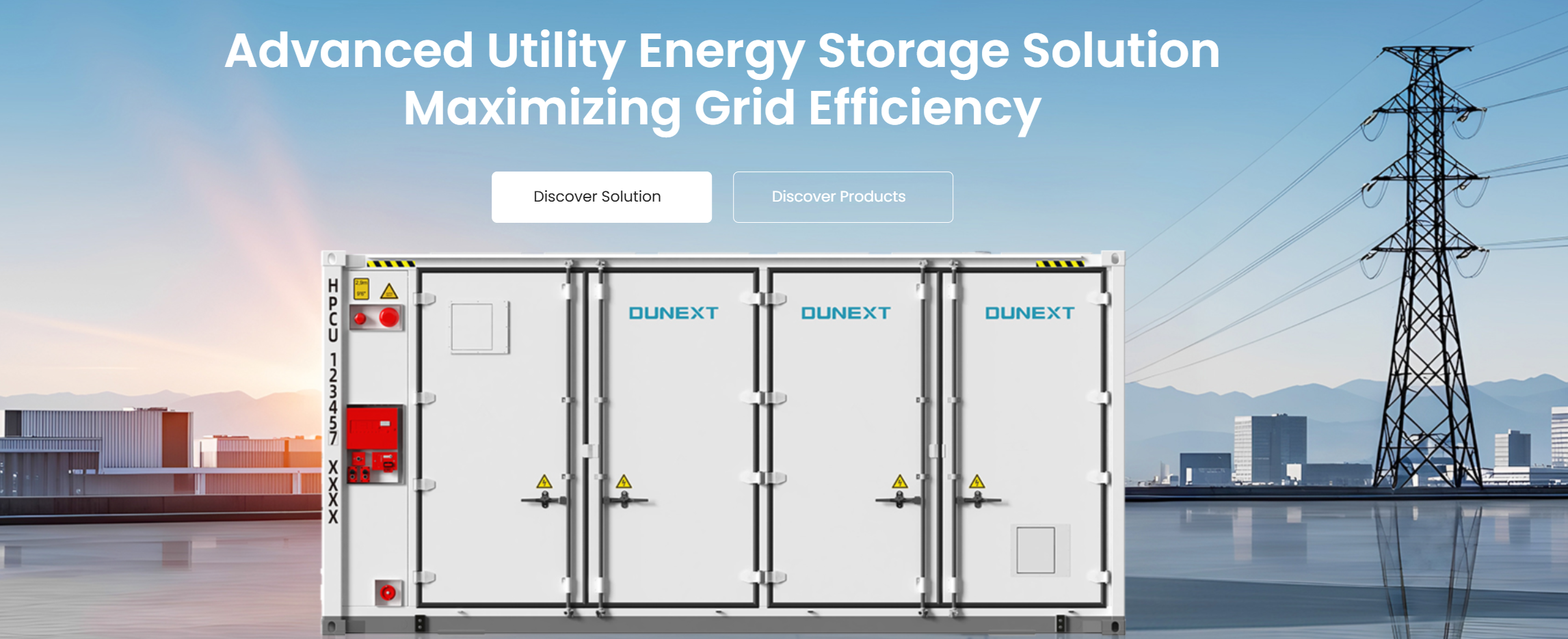
Opening: The problem that demands storage
Power arrives out of step with demand; sun and wind produce abundance at times and scarcity at others. That mismatch is the central problem driving today’s deployments of utility scale energy storage. Thoughtfully, we should start from needs: peak shaving, capacity firming, frequency response, and outage resilience. Those needs shape technology choices and where systems are placed on the grid and behind it.
What problems energy storage actually fixes
List the hard problems and match them to outcomes you can measure:- Short-term grid stability: frequency and voltage swings need immediate response.- Peak demand spikes: utilities must avoid expensive peaker plants.- Renewable intermittency: solar and wind output varies by hour and weather.- Transmission congestion and local reliability: some neighborhoods need on-site capacity.- Backup power and resilience: hospitals, data centers, and critical facilities require guaranteed supply.
Technologies and the problems they best solve
Not every storage type fits every problem. Match purpose to chemistry and form:- Lithium‑ion batteries: fast response, high round‑trip efficiency (roughly mid‑80s to mid‑90s%), ideal for frequency response, short-to-medium duration shifting (minutes to a few hours).- Flow batteries: longer duration potential, gentler degradation for frequent deep cycling, suited to multi‑hour shifting and renewable firming.- Pumped hydro: large capacity, lower efficiency but cheap per kWh for long-duration storage where geography allows.- Thermal storage: pairs well with concentrating solar or industrial heat loads.- Compressed air and hydrogen: candidate solutions for seasonal or very long-duration needs, typically paired with specific infrastructure investments.
Where storage is used — practical placements
Storage shows up in clear patterns:- Utility-scale front-of-meter: bulk capacity for grid-level shifting and reserve.- Distribution-level: congestion relief and localized reliability.- Commercial and industrial behind-the-meter: demand charge reduction and backup.- Microgrids and island systems: replace diesel, provide black-start capability.- Transport and renewables co-location: smoothing output at solar farms or EV fast-charging hubs.
Common mistakes people make when specifying projects
These errors repeat and cost money:- Designing only for power and ignoring duration. You may have 50 MW of capacity but only 15 minutes of usable energy.- Underestimating cycle demands and lifetime degradation. Batteries lose usable capacity over time; specify cycles and depth of discharge.- Skipping realistic operating profiles. Simulate real dispatch, not idealized, weekend-only scenarios.- Neglecting integration costs: controls, grid interconnection, permitting and site preparation add significant time and money.- Treating technology choice as aesthetic. The cheapest $/kWh up front may fail operational requirements within months.
How to decide: a compact decision framework
Answer these questions sharply and let them guide procurement:- What duration is needed? (minutes, hours, days)- How many cycles per day and for how many years?- Is the priority instantaneous response (power) or stored energy (duration)?- What round‑trip efficiency and degradation profile are acceptable?- What are site constraints—land, permitting, interconnection capacity?- Who will operate and maintain the system long term?Make one specification document that ties technical metrics to revenue or resilience outcomes; measure success against that document.
A practical anchor: a large deployment that proved a point
When a major battery facility showed fast dispatch and clear grid value, operators and planners paid attention; the Moss Landing Energy Storage Facility in California offered visible evidence that large batteries can absorb surplus renewable output and then deliver power during evening peaks. That example clarified real trade-offs: you measure value by how often a battery gets used, how it degrades, and how it avoids or defers other investments.
Synthesis: choosing solutions that solve real problems
Think like a problem-solver: define the shortfall you must fix, quantify the service you need, then pick technologies that meet that service reliably over time. Simpler statements: match duration to need, specify cycles and degradation, budget for integration. This is practical advice shaped by project reviews and performance records; it leads to durable choices and fewer surprises, a posture that a sensible supplier such as Dunext can support without turning strategy into slogans.