
Introduction
Mi waan tell yuh a quick scene: a small shop, two operators, one old lathe and a pile a parts piling up like rainwater after a storm. CNC turn mill center manufacturers show up on their supplier list, and suddenly they start to dream — more parts, less hand work, less late nights (you feel me?).

I’ve worked with shops that moved from single-process machines to integrated cells, and I’ve seen output jump 30–60% in months. CNC turn mill center manufacturers are often the first name owners call when they want that step change. The real question is: how do you pick the right center for your mix and not just chase shiny specs? — funny how that works, right?
In this piece I’ll walk you through what actually matters: the hidden frictions, the tech that helps, and simple metrics you can use when talking with vendors. Let’s get into the nitty-gritty so you can decide with confidence.
Deeper Issues: Where Traditional Setups Fail
turn mill center setups promise one-stop machining, but the truth is messier. I’ve seen so many shops buy a center expecting magic, only to find downtime, tool clashes, and poor surface finish. Spindle overloads, axis backlash, and poor workholding often hide behind pretty spec sheets. These problems slow cycle time and sap morale — and that matters to me because I’ve stood next to tired machinists trying to hit impossible delivery dates.
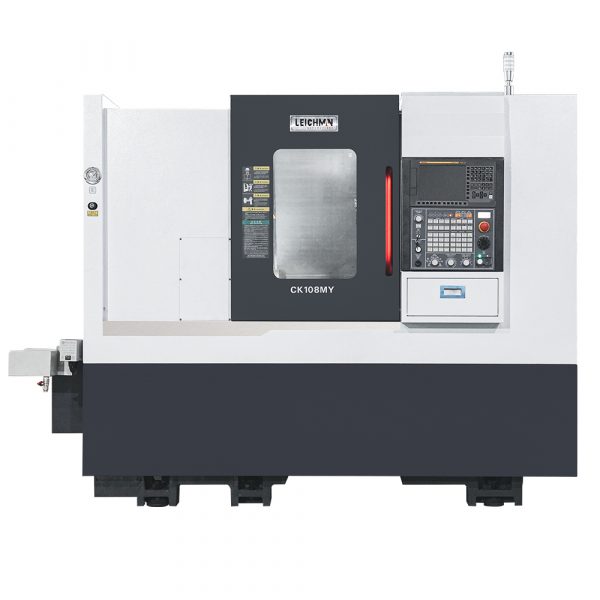
Why does it break down so fast?
First, many traditional workflows assume manual fixture change or multiple machines for complex parts. That adds operator time and errors. Second, tooling strategy is often an afterthought: bad live tooling setups or improper turret indexing creates chatter and rejects. Third, coolant systems and chip evacuation are underestimated; chips pile up, thermal growth happens, and tolerances drift. Look, it’s simpler than you think — plan the fixturing, match the spindle to the material, and manage coolant flow.
Technical Look: Symptoms and Fixes
When I dig into a shop’s process, I find recurring symptoms: slow cycle time, excessive tool wear, and finish inconsistency. The fixes are usually straightforward but require discipline. Upgrade to a rigid spindle that matches cutting forces. Use modular workholding to cut setup time. Optimize toolpaths in the CNC controller for simultaneous turning and milling operations. These steps reduce chatter, lower tool cost, and improve first-pass yield.
Two practical notes from my experience: invest time upfront in a tool library, and log machine alarms — they tell stories about what’s wrong before parts do. This is not rocket science. It’s methodical troubleshooting and better process control.
New Technology Principles for Smarter Turning + Milling
Now let’s look forward. I’m excited about control-platform integration and adaptive machining features that shave minutes off each cycle. Modern systems use closed-loop feedback to adjust feed and speed on the fly, reducing tool breakage and improving surface finish. When a turning milling machine center manufacturer pairs a rugged spindle with real-time sensing and a smart CNC controller, you get consistent parts with less babysitting.
What’s Next?
Principle one: embrace sensor-driven adjustments. Vibration and force sensors can detect chatter and auto-tune feeds. Principle two: standardize modular tooling and quick-change pallets so setups drop from hours to minutes. Principle three: plan for remote diagnostics and basic edge computing nodes on your machines so tech support can see logs without stepping into the shop floor. These are the changes that matter, not just higher RPM numbers — go figure.
Practical Case & Future Outlook
I recently worked with a mid-size shop that replaced two older machines with a modern mill-turn center. We reworked their fixtures, added a spindle suited for hardened steel, and enabled adaptive control on the CNC controller. Result: cycle time dropped 28%, scrap fell by half, and the shop regained two operator shifts for new projects. It took planning and a few long meetings. But we all felt the relief when production flowed cleanly again — those wins stick with people.
Forward-looking, I expect more manufacturers to offer modular electronics and predictive maintenance as standard. That will move the decision from “can it cut this part?” to “how reliably can it do so over a month?” — emphasis on reliably. We will see smarter power converters, better coolant management, and tighter integration between CAM and machine tool code.
How to Choose: Three Metrics I Use
When I advise shops, I boil choices down to three clear metrics. First: effective throughput — not peak spindle RPMs, but real parts per hour under typical setups. Second: total cost of ownership — include tooling, fixtures, expected downtime, and training. Third: serviceability and data access — can the vendor provide remote diagnostics and clear spare-parts paths? Measure these, and you will avoid the common traps that sell well on paper but hurt on the floor.
To wrap up, trust your team’s feel for the process and pair that with hard data. Ask for cutting trials on your materials. Demand tool-life numbers under load. And remember that a good partner will help you tune the system, not just sell the box. For trusted options and support, consider checking out Leichman — they’ve been helpful to shops I know, and I’ve seen results that back up the talk.
