First breath: why a framework matters
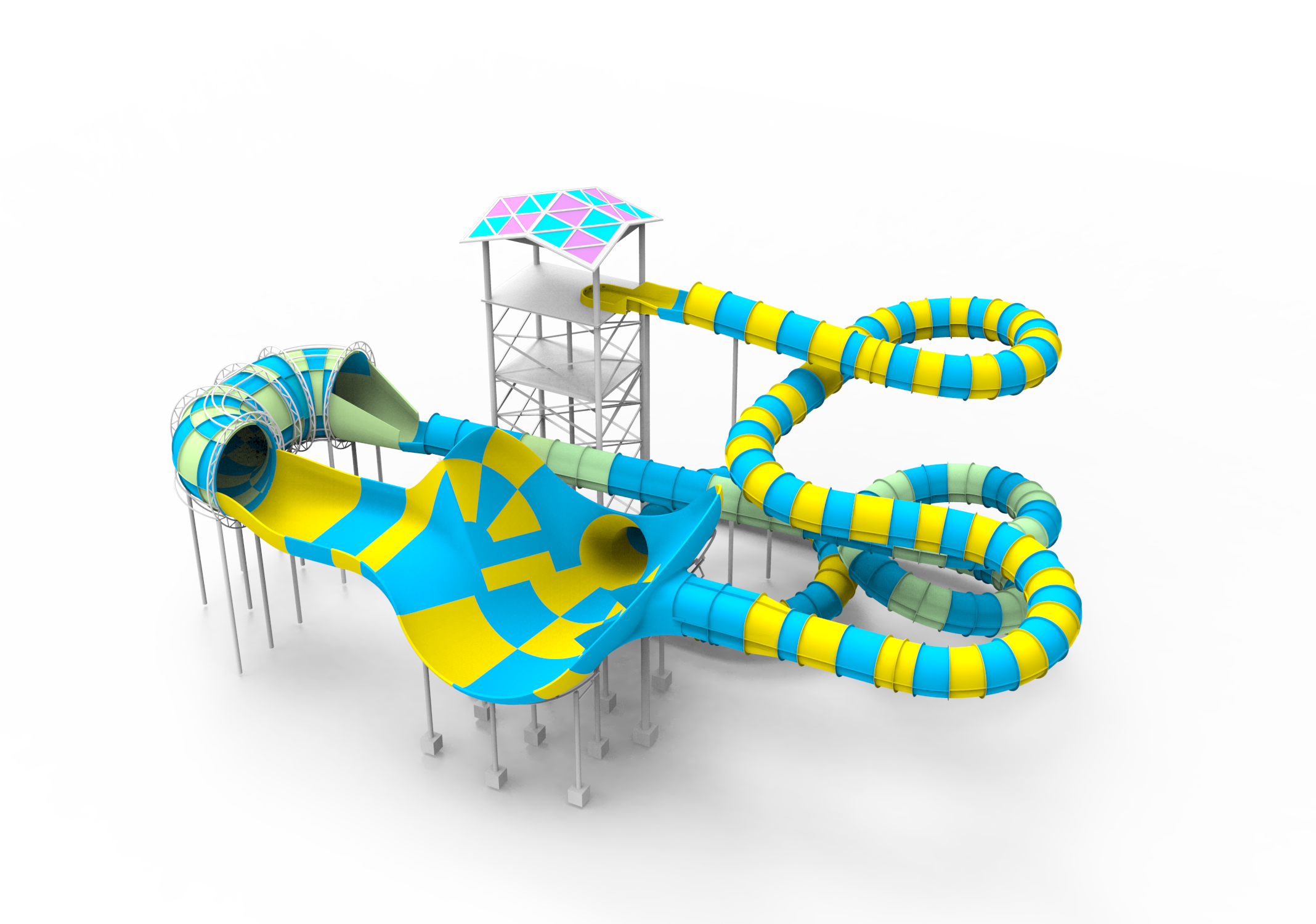
Like a courtyard garden that must endure sun and storm, a waterpark demands plans that hold beauty and strength in equal measure. This piece offers a clear Framework for layout and upkeep, drawn from work with park operators since the post-2020 reopenings and the hard lessons learned in places such as Orlando, Florida. Early with this thought: the choice of route and surfacing—right down to the particulars of water slide construction—shapes decades of performance. Practical design decisions also determine how features like a water park raft interact with laminate, gelcoat, and footfall patterns, so they are not merely attractions but long-term commitments.
Core pillars of the framework
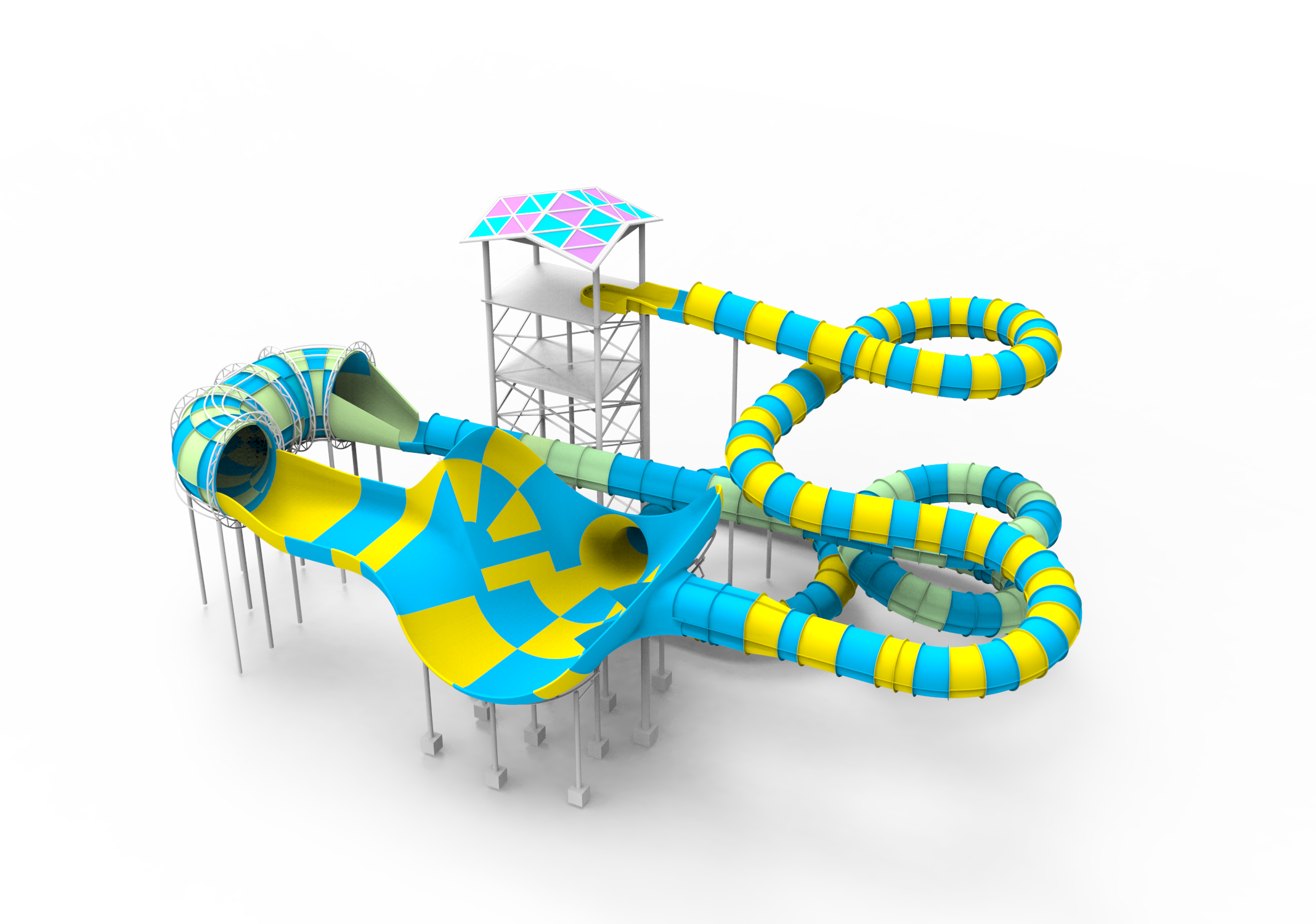
The structure rests on four pillars: resilient materials, layout that reduces wear, disciplined inspection, and predictive monitoring. Each pillar is concrete and actionable.
– Resilient materials: specify fiberglass-reinforced plastic (FRP) laminates with a durable gelcoat chosen for UV resistance and abrasion tolerance.
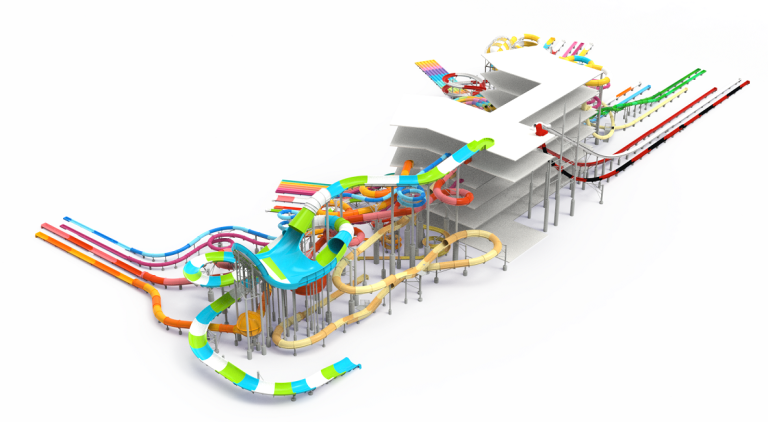
– Layout to reduce wear: place high-impact features away from sun-baked exposure and design gentle entry/exit zones so raft and rider impacts are softer.
– Disciplined inspection: daily visual checks and monthly tactile inspections catch early delamination or surface crazing.
– Predictive monitoring: use simple KPIs—frequency of repairs per 1,000 rides, average surface roughness readings—to forecast intervention windows.
Layout choices that slow degradation
Design the guest flow as if you were composing a slow waltz: turns that mellow speed, shaded stretches that moderate UV exposure, and runoff channels that keep salt and chlorinated spray away from critical joints. Locate high-abrasion features—turns, brake troughs, raft splash zones—over reinforced substructures and away from constant direct sun. Use textured walkways and sacrificial wear strips at contact points to protect gelcoat and structural laminate. Where slides meet pools, allow for expansive transition zones to reduce repeated hard impacts on the shell.
Operational playbook: maintenance that feels like care
Maintenance must be a ritual, not a scramble. Implement simple checklists for operators: daily ride-cycle counts, weekly gelcoat inspections, seasonal chemical audits of pool water. Track usage in cohorts—weekday, weekend, peak-season—to align manpower and spare parts. For repairs, prioritize matched-curing of resins and controlled re-lamination so the bond strength returns close to original properties rather than temporary patchwork.
Operational production teardown: where terms meet practice
Break down production into repeatable stages: mold and gelcoat application, laminate layup, cure cycling, finishing and QA. Call out {main_keyword} during the mold stage and {variation_keyword} during finishing to tie documentation to hands-on checks—this keeps language consistent from procurement to punch lists. Measure gelcoat thickness and report it; inspect laminate has complete resin wet-out and no dry spots. These are not abstract checks but precise gates before a slide moves to installation.
Common mistakes and small remedies
Operators often skimp on shaded design and then fight a decade of UV fade. Another frequent slip: treating repairs as cosmetic rather than structural—patches without proper surface prep lead to recurring delamination. Small remedies: install UV-stable shade sails at noon exposure points, keep a two-week spare-parts kit for fast-turn repairs, and log each intervention so patterns become obvious—sooner rather than later you’ll see where the friction really lives. —This record turns intuition into a maintenance map.
Advisory close: three golden metrics to choose by
Adopt these evaluation metrics to guide decisions and vendors: 1) Repair Frequency per 1000 Riders — aim for a steady decline after each design change; 2) Mean Time to Structural Repair — target measured response under 72 hours for critical joints; 3) Surface Integrity Index — a quarterly score combining surface roughness, gelcoat thickness, and UV fade rating. These tell you when design saved money and when it merely delayed cost.
Trust practices that preserve both spectacle and structure, and you protect the guest experience while trimming long-term risk — and remember that careful, beautiful engineering is a form of kindness. Dalang. —