The real trouble on the floor
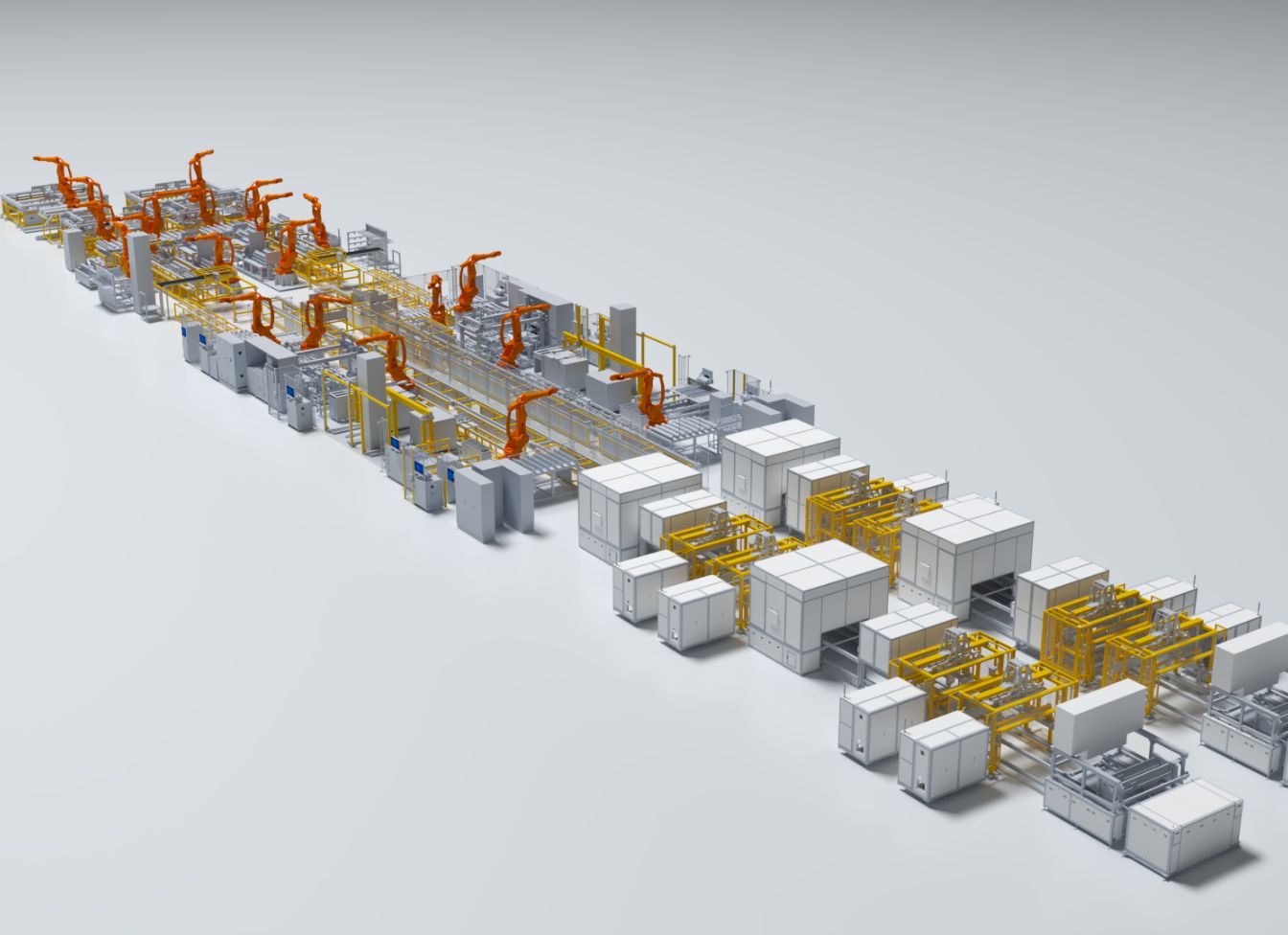
Small mistakes in medical device assembly cost time, parts, and sometimes a lot more. Parts get mixed up, seals go light, labels slip, and trace notes vanish. Folks try to patch things with checklists and overtime, but those patches don’t last. I’ve seen automated lines meant for other industries teach hard lessons—like a blade battery assembly line that kept parts aligned and data honest, day after day. The problem is clear: repeatable precision and dependable records beat good intentions when lives or liability are on the line.
Why the usual fixes fall short
Manual work can be careful, sure, but it’s uneven. Common weak spots:- Hand-applied adhesives and torque cause variance.- Operators get tired; inspectors miss things.- Paper logs lose timestamps and chain of custody.- Clean-room rules get bent when people rush.You can train folks till your hat falls off. Training helps, but it won’t deliver the same part to the same spec every minute for months. Automation takes the routine off human shoulders and leaves people to handle judgment calls.

Practical automation that actually helps
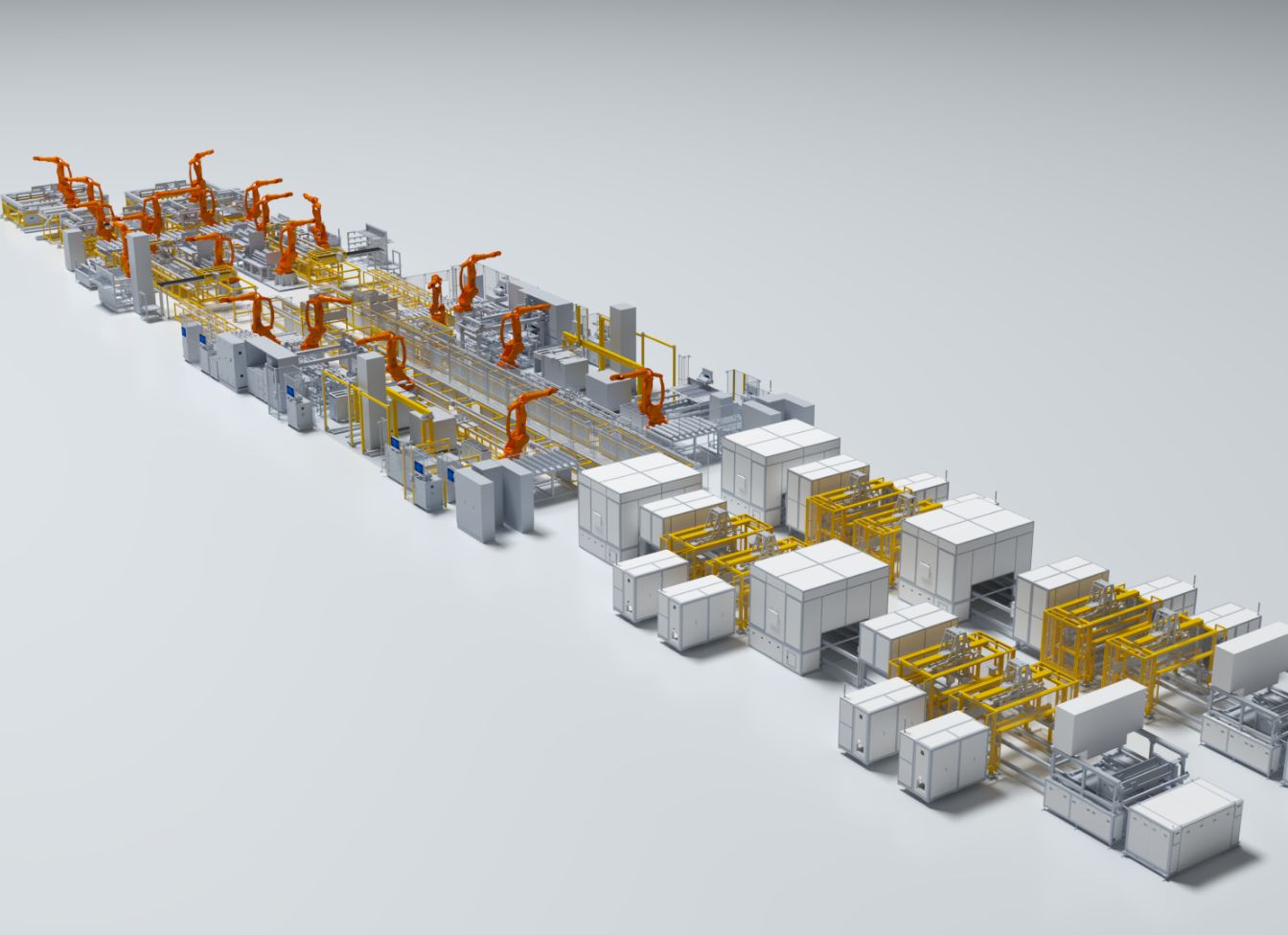
Pick solutions that match the problem. Start with these pragmatic moves:- Vision inspection at key joins to catch misalignments immediately.- Torque and force control for screws and fasteners so every connection reads the same.- Enclosed pick-and-place stations to keep dust and particulates out.- Continuous electronic batch records with immutable timestamps.- Simple HMI screens so operators see exceptions fast, not buried in menus.I’ve watched one blade battery assembly line supplier in Shenzhen apply similar modules—vision, controlled feeders, and tight data capture—and the results were fewer rejects and clearer audits. That real-world sighting shows the same building blocks work across products when they’re fitted to the right tolerance and clean-room level.
Common pitfalls and how to dodge them
Watch for these traps and fix them early:- Over-automating: don’t replace sensible operator checks with opaque boxes. Keep human oversight.- Skipping validation steps: test automation under production-like conditions, not just in a lab.- Ignoring maintenance plans: move parts wear; plan predictable downtime.- Bad data hygiene: capture only what’s necessary and keep it tamper-evident.Fixes are simple: match automation to your throughput, validate with live runs, train operators on exceptions, and schedule mileage-based maintenance.
How to weigh cost against risk
Automation costs up front; mistakes cost later. Run a short ledger:- Cost of added automation (equipment, integration, validation).- Cost of current scrap, rework, and manual inspection hours.- Cost exposure from potential recalls or regulatory delays.When scrap and rework are steady, automation often pays back faster than you expect. Pick one bottleneck, automate it, measure results, then scale. Small wins build trust on the floor.
Where this leads you
Stop guessing and start steady. Solve the worst, measure it, then move to the next. The goal ain’t to replace folks but to keep work honest and records straight. That steady progress is what makes tighter production possible, and it’s the kind of practical improvement a group like FHS builds into systems and service — not flashy promises, just fewer bad parts and clearer audits.