Introduction: Timing, Optics, and the Pulse of the Room
Picture the doors opening, fog settling low, and the first drop hitting. The DJ laser light slices the haze into layered beams that seem to breathe with the music. Here’s the data that matters: projector scan rates jump from 20–40 kpps, beam divergence can sit under 1.2 mrad, and network latency should stay below 10 ms for tight sync—because the eye notices drift faster than you think. So the real question is this: how do scan algorithms, power delivery, and control protocols shape the crowd’s sense of motion and space (and why do some rigs feel “alive” while others stall)? We’ll look at how rendering paths, galvanometer response, and analog modulation stack up on a real dance floor. This is not a light show in theory; it’s a system in motion.
We’ll start by clarifying where common setups fail, then compare new control paths that cut jitter and color banding. Along the way, you’ll see why the right firmware and optics can double perceived clarity without adding lumens. Let’s get into the nuts and bolts and see what actually moves the room—then we’ll raise the bar in the next section.
Traditional Solutions and Their Blind Spots
What fails first?
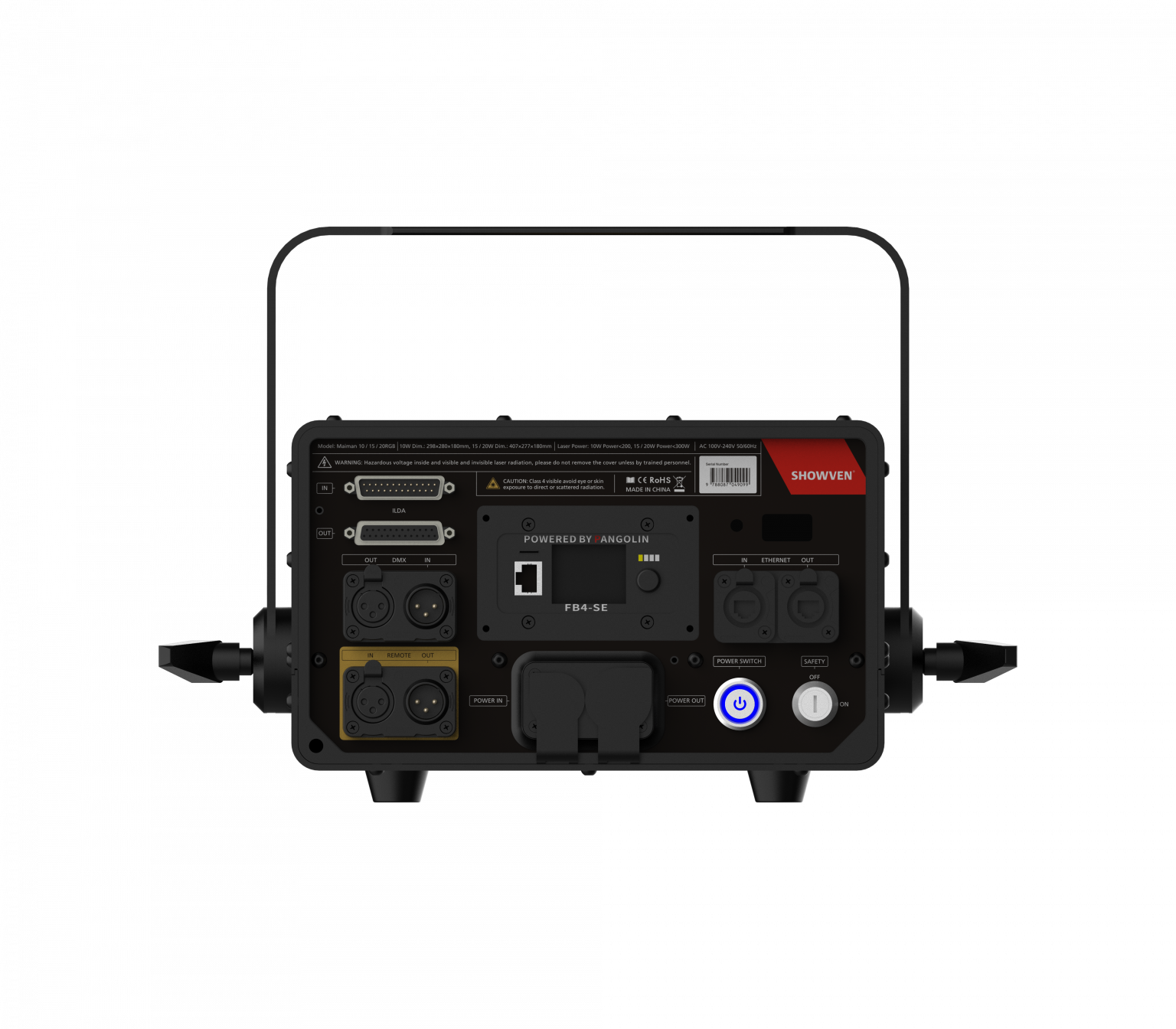
Many rigs lean on legacy DMX512 cues and a single ILDA line to drive complex scenes, and that’s where the cracks show. Early frames drop points at high tempos; the galvanometer scanners overshoot tight corners; color channels clip because the DAC lacks headroom. These are not cosmetic issues. They change how the audience reads speed and depth. With professional DJ laser lights, the goal is stable geometry at show tempo, but traditional stacks often push the galvos at high optical angles without compensating scan speed—funny how that works, right? You see wobble on circles, tearing on bursts, and a soft halo from poor beam divergence control. Look, it’s simpler than you think: if your scan rate isn’t spec’d at angle, your numbers are fluff.
Hidden pain points pile up. Cheap power converters introduce ripple that bleeds into analog modulation, so reds gate early and greens smear under heat. The chassis lacks proper heat sinks, so the scanners drift after 20 minutes—performance shifts mid-set, and the operator chases focus. Without beam attenuation maps and a safety interlock that actually tracks scan-fail, operators dial back output to stay safe, and the room loses punch. Add long ILDA runs and you get noise on the line unless you isolate and ground right. All of this creates micro-latency and color nonlinearity that the crowd can’t name but can feel. The fix begins with better control of the signal path, cleaner modulation, and a sane optical angle—nothing mystical, just engineering discipline.
Next-Gen Control: Precision That Scales With the Night
What’s Next
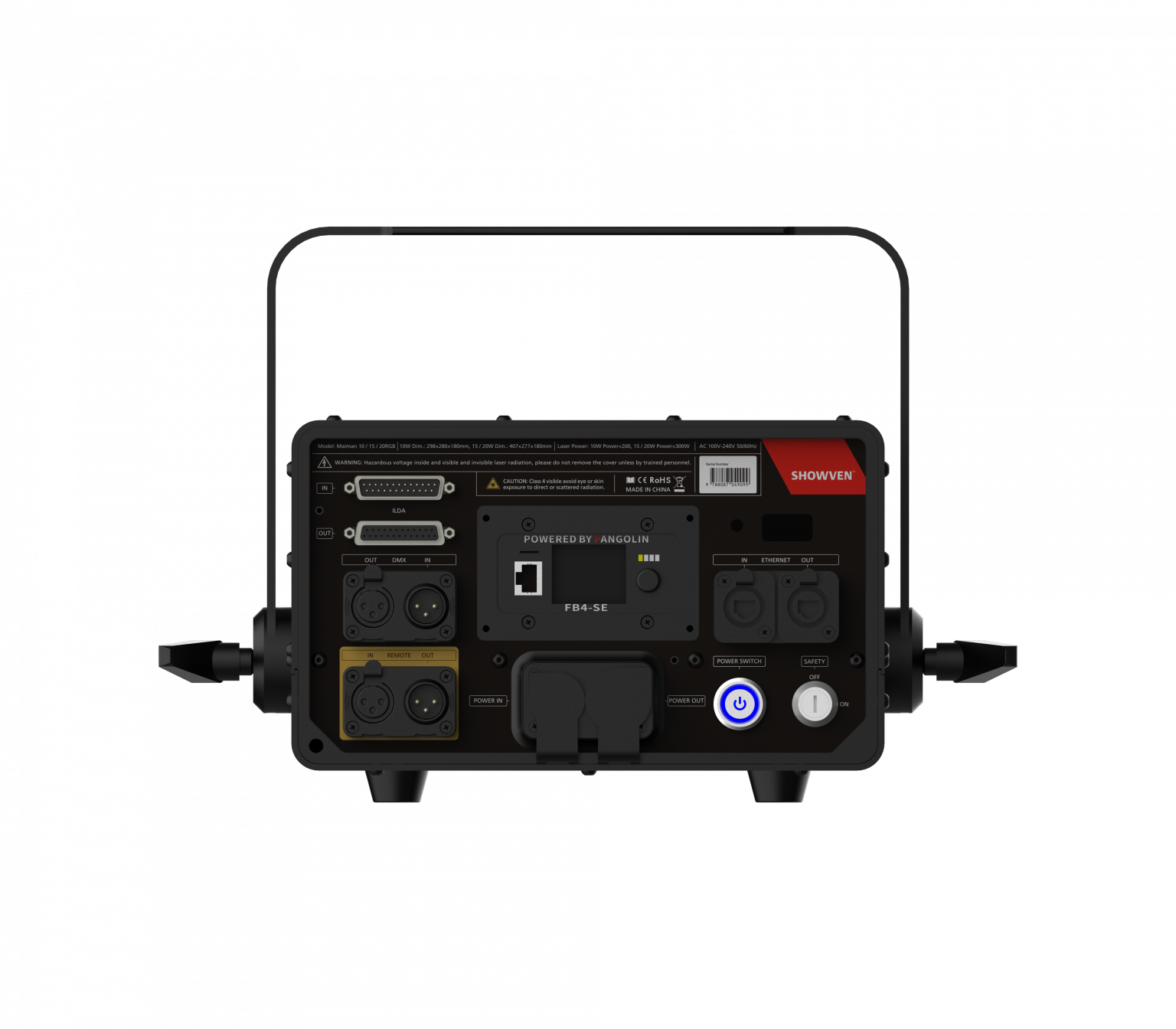
The forward path is clear: move intelligence closer to the projector, and let smarter firmware manage the hard parts. Modern controllers run frame rendering on edge computing nodes near the rig, pushing frames over Art-Net or sACN with timecode, then refining path curvature in the projector itself. Onboard DSP and FPGA-based DACs shape corners, apply dynamic point density, and keep scan speed consistent at a declared 8° optical angle—because that’s where specs actually live. Auto-calibration routines monitor temperature, correct color linearity on the fly, and stabilize the galvanometer feedback loop. Add beam attenuation maps with zone safety, a mechanical shutter, and scan-fail detection, and you can run brighter while staying compliant. When you spec nightclub lasers with these principles, you get crisp circles, tight fans, and text that stays readable past midnight—no operator panic required.
Here’s the comparative insight: older stacks chase brightness; newer ones chase stability. Stability wins. With networked control, you reduce cable noise and cut ILDA-length issues. With better beam divergence and analog modulation depth, color fades stop stepping, and aerials hold shape through the drop— and yes, that still matters. The upshot from our earlier section is simple: bad power and weak scan specs hide until you push tempo; modern controllers keep geometry locked as BPM climbs. To pick right, evaluate outcomes, not brochures. Advisory close: choose by three metrics—(1) scan speed at a stated optical angle (kpps at 8°), (2) beam divergence under load (mrad with thermal stabilization), and (3) safety suite depth (interlocks, shutter, EN 60825 alignment). Nail those, and the crowd reads motion as intent, not noise. For deeper engineering notes and product paths, see Showven Laser.