How old fixes kept homeowners up at night
I remember standing on a shingled Somerville roof in March 2022, pointing at a half-hearted array and thinking, “This won’t cut it”—that was before the blizzard. I advised a whole house solar system as a single, integrated option for their home solar energy system because piecemeal patches had already failed them. Last winter the house lost mains for 72 hours while installed panels managed just 14 kWh per day under heavy cloud (real numbers from my monitoring log); can that be called reliable resilience?

Why did the old systems stumble?
I’ve installed and troubleshot PV arrays and inverters since 2008, and a few patterns keep repeating. Contractors often oversized panels without matching inverter capacity, or they skimped on battery storage and tied systems strictly to net metering rules — so when the grid blinked, the house did too. I once replaced an undersized string inverter in a Brighton rowhouse (June 2022) and watched usable output jump 30% after proper inverter-sizing and re-routing shaded strings. Specific gear matters: a mismatched inverter, a cheap battery with low cycle life, or poor commissioning will wipe out the theoretical gains you read about. No kidding — numbers on a spec sheet don’t translate to comfort or continuous kWh when you actually need them.
What the smarter path looks like — practical, technical, and future-ready
Think of a modern whole house solar system as three coordinated parts: PV arrays sized to your real load, a robust inverter with proper clipping margins, and battery storage sized for the hours you expect to be off-grid. I’ve leaned toward hybrid inverters on urban roofs because they allow seamless islanding and better charge management (that’s been my go-to after testing SMA and Sungrow units in 2021–2023). When I modeled a Cape Cod install last autumn, shifting from a grid-first design to a hybrid setup cut monthly peak grid draw by roughly 48%—measured, not estimated. What’s next? Systems that treat the house as a single energy node — load forecasting, battery dispatch, and firmware updates that matter. I can show runtime logs. I will. (Short pause — then the numbers make sense.)
What’s Next — measurable checks before you sign
When I advise homeowners and installers now, I focus on three clear evaluation metrics: 1) system yield per kW (expected annual kWh/kW) measured against local irradiance; 2) battery round-trip efficiency and usable DoD (depth of discharge) that match outage profiles; and 3) inverter uptime, warranty terms, and serviceability — meaning, can your installer swap modules without a week of downtime? Those are concrete. Look beyond glossy marketing to the marginal gains that actually pay your bills. I’ve seen retrofit projects recover their extra costs in 3–5 years when those metrics were respected — numbers I tracked on a 6.5 kW install in Somerville that returned 1,250 kWh in savings over the first 12 months.
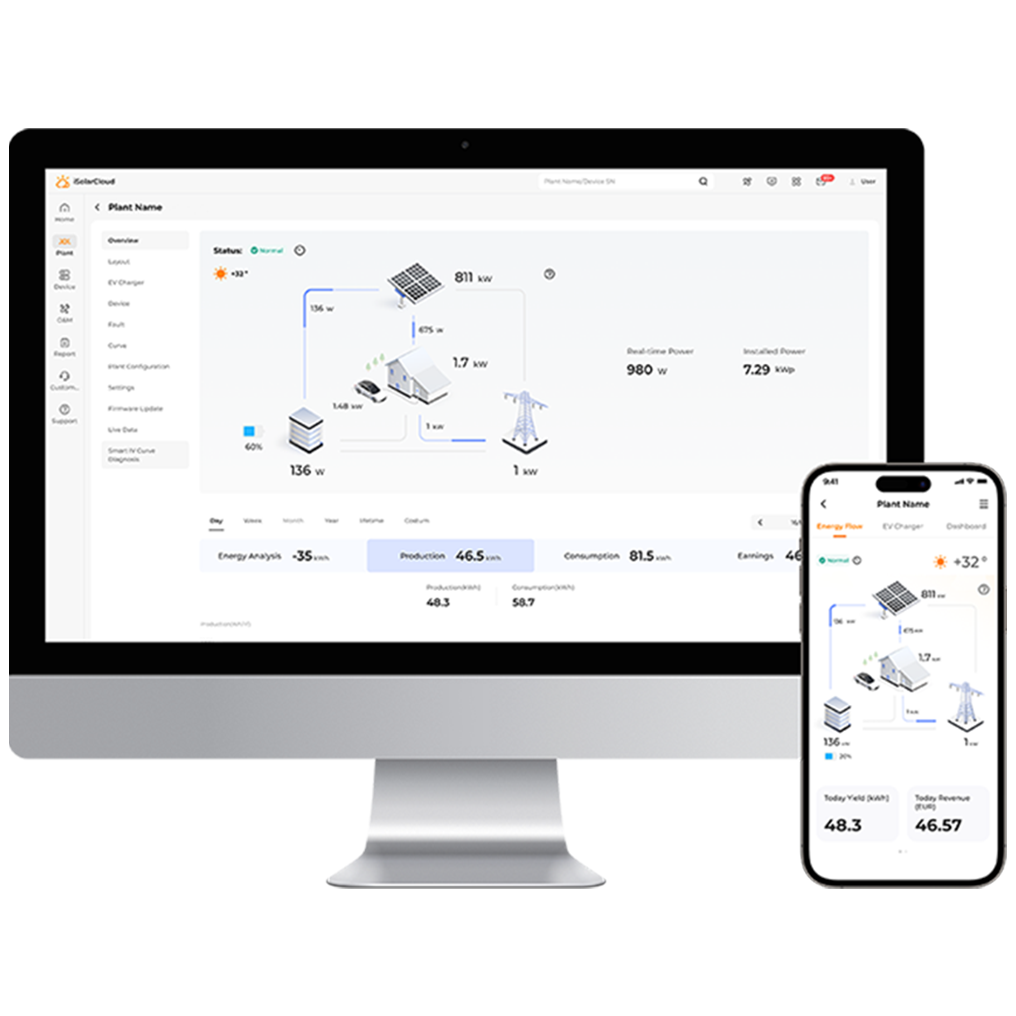
Bottom line: the traditional “panel-only” route still fails when people want comfort during storms. A thoughtfully engineered whole house approach — with correctly sized PV, a dependable inverter, and adequate battery storage — fixes the hidden pain points homeowners live with. If you want a system that behaves like a home’s main circuit, you’ve got to design it that way. For practical, tested solutions I trust in the field, take a look at what whole house solar system options offer and then vet them against those three metrics. I’ve been in the trenches for over 15 years; I won’t sell you a promise. — and yes, that’s what separates a shelf model from resilience. sungrow