
Introduction — a small scene and a bigger question
I once watched a couple stand beneath a streetlamp while their car slowly sipped power, and I felt the odd romance of waiting — the hush between departures. In that moment I thought about the promise of the all in one charger and how a single device might erase those long pauses and frayed plans (soft light, late hour). Recent surveys show public charging usage rising by double digits year over year, and yet user satisfaction still lags; so I ask: can one smarter unit really reshape the way we think about refueling electric life? I bring this up because I care — I want smoother trips and fewer anxious minutes. Now let me take you deeper into the real issues and why one change could matter. Transitioning to the next part, we’ll peel back the familiar fixes and see where they crack.
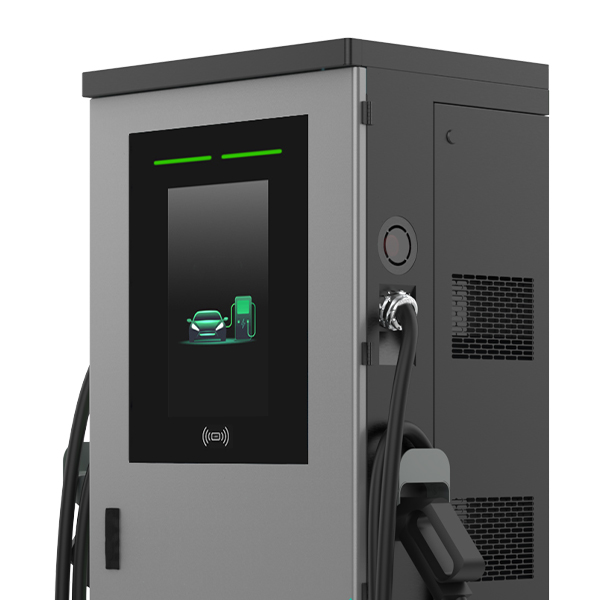
Where the old ways fail: technical faults and real frustrations
What’s the real problem?
When I look at an electric vehicle power station, I don’t just see metal and meters — I see a tangle of compromises. Traditional deployments spread chargers across many cabinets and power converters; they rely on rigid charging protocols and siloed control systems. That leads to inefficiency: heat losses in power converters, wasted idle time, and cumbersome maintenance cycles. I’ve watched operators wrestle with grid synchronization that falters when demand spikes — and drivers endure long waits because load balancing wasn’t designed for real human patterns. These aren’t abstract faults. They are friction points: broken connectors, opaque billing, and a patchwork of software that won’t talk to each other. Look, it’s simpler than you think: many systems were designed for a past scale, not the bustling present.
Technically speaking, modular approaches can help, but they often add layers: more edge computing nodes, extra firmware updates, and a higher parts count. Each layer increases the chance of a single point failure. I feel frustrated when a tiny sensor error causes a whole bay to go offline — it’s like watching a small thread unravel an entire sweater. We need to acknowledge that the drive for modularity sometimes sacrificed reliability and user flow. This is not just engineering hair-splitting; these flaws translate to missed appointments, upset drivers, and higher operating costs. The pain is human. — funny how that works, right?
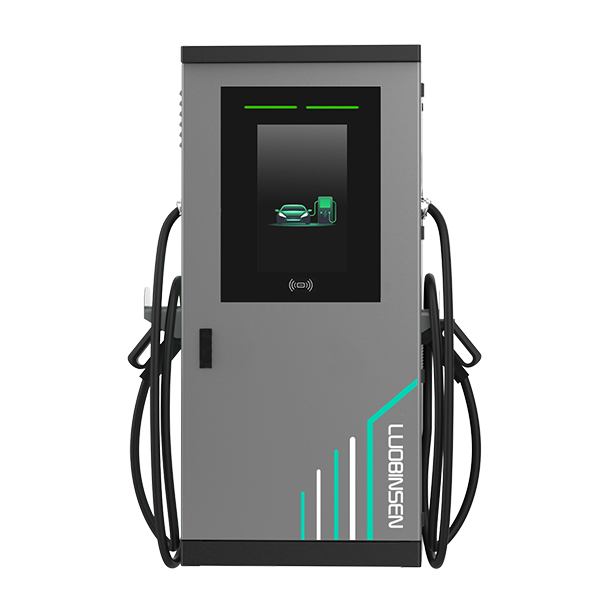
Looking ahead: principles and practical choices for next-gen charging
What’s Next
Now I want to shift from critique to what I’d choose next. The core idea is simple: consolidate smartly. An ev power charger that integrates power conversion, communications, and thermal management reduces failure points and simplifies maintenance cycles. I’m talking about compact power converters designed for robust thermal handling, integrated billing modules, and harmonized charging protocols that let stations scale without adding chaos. New designs emphasize software-defined control (short loops, precise telemetry) and smarter grid interaction to smooth demand peaks. These principles cut costs and improve uptime — and yes, they make drivers breathe easier. I’m optimistic; these are practical steps, not pipe dreams.
For anyone evaluating solutions now, I recommend three metrics I use myself: uptime percentage (real-world, not theoretical), time-to-charge under peak load, and total cost of ownership across five years. Measure those, compare honestly, and you’ll see which options truly save time and money. Also — consider the human side: how easy is it to plug in at midnight after a long drive? That matters more than we sometimes admit. In closing, if you want a partner who builds toward that smoother future, take a look at how consolidated, intelligent chargers perform in trials. I’m confident this path leads to fewer delays, happier drivers, and a cleaner grid. For more on practical designs and partners I trust, check Luobisnen.
