Why scrap keeps bitein’ into profits
Plants running precision automotive LSR parts know the hurt: a bad shot here, an under-fill there, and scrap piles up faster than wet hay after a storm. The root ain’t always the mold or the material—it’s often blind production. Fit a horizontal rubber injection molding machine with no feedback and you’re guessing at mold fill and cure every cycle. Many OEMs, following approaches like Toyota’s production discipline, aim for sub-1% scrap. Getting there means seeing inside the cavity every shot, not just reading end-of-cycle alarms.

Problem laid bare: what cavity pressure solves
Cavity pressure sensors give you a live peek at how a part fills and holds. That readout tells you when a shot short-fills, when the rubber’s packing phase is weak, or when cooling isn’t right—stuff you don’t catch with barrel or nozzle readings alone. With that feedback you stop chasing symptoms and start fixing causes: adjust fill speed, tweak pack pressure, change cure time. The result is better shot-to-shot repeatability and fewer surprise rejects.
How a simple sensor flips the script on scrap
Install a cavity pressure sensor and you get a curve for every shot. Those curves let you set real limits, not gut-feel ones. For a plant making seals for brake systems, that means fewer leaks and tighter tolerances. For LSR parts with thin walls, it means flagging partial fills before they become finished rejects. The savings pile up quick—less rework, less wasted material, fewer line stoppages.
Practical steps for folks on the shop floor
Start basic: place sensors in critical cavities, not every one. Calibrate the sensors against known-good parts and log the data for a few hundred shots. Use the pressure signature to build a few simple rules for alarm and automatic shutoff. Don’t overcomplicate the first pass—keep the display readable for the tech running the line. And yes, pair that data with cycle timing and clamp force so you see the whole picture.
Common mistakes and how to dodge ’em
People often bolt on sensors and expect miracles. The missteps are clear:
– Too few sensors: you miss local problems.
– No baseline data: alarms get ignored as “noise.”
– Ignoring mold maintenance: pressure curves change when a runner chokes up.
If you watch the curves and maintain the tooling, you’ll catch trends early—like a gradual vent blockage before it spawns a run of rejects. —It’s the little bits that often cause the biggest headaches.
Alternatives and where they fall short
Other strategies—like stricter visual inspection or tighter operator checks—help, but they can’t replace in-cavity data. Machine-side sensors (barrel pressure, screw position) are useful, yet they reflect upstream conditions. Cavity sensors show what matters: the part. For many shops, a blend works best—use cavity pressure for control and machine sensors for redundancy.
Real-world anchor and credibility
Plants that adopted cavity pressure feedback alongside disciplined process control—think of practices inspired by Toyota and other quality-led manufacturers—report measurable drops in scrap and shorter time to stable production. Across the industry, teams target sub-1% scrap on critical parts; cavity pressure is a common tool that helps reach that mark. This isn’t theory—it’s the kind of process change that saves lines from repeated stoppages and trims yearly waste.
Putting it together with horizontal injection moulding
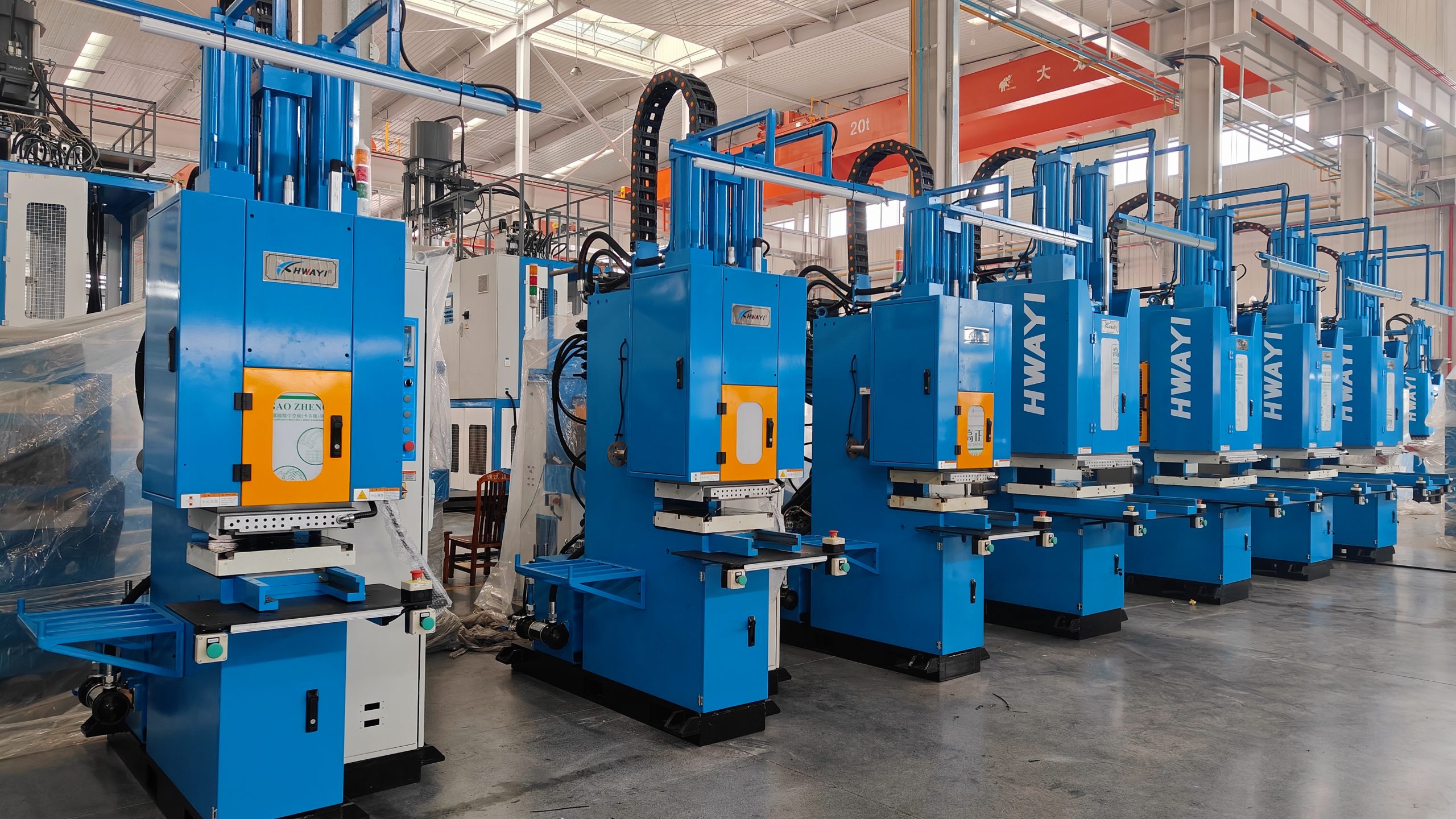
When you marry cavity pressure to a robust horizontal injection moulding setup, you get predictable mold fill, controlled packing, and better cure cycles. The machine gives you the muscle; the sensor gives you the eyes. Work both, and your yield improves steadily.
Golden rules for picking the right gear
Use these three metrics when you evaluate equipment or upgrades:
1. Measurement fidelity: can the sensor detect the subtle pressure swings of thin-walled LSR parts?
2. Integration: does the controller let you act on pressure data in real time—adjust speeds, stop cycles, archive trends?
3. Maintainability: are sensors and transducers accessible for routine checks without tearing the mold apart?
HWAYI knows how the tools and the data must work together; rely on that fit to make scrap shrink and yield climb. —