Immediate comparison from the shop floor
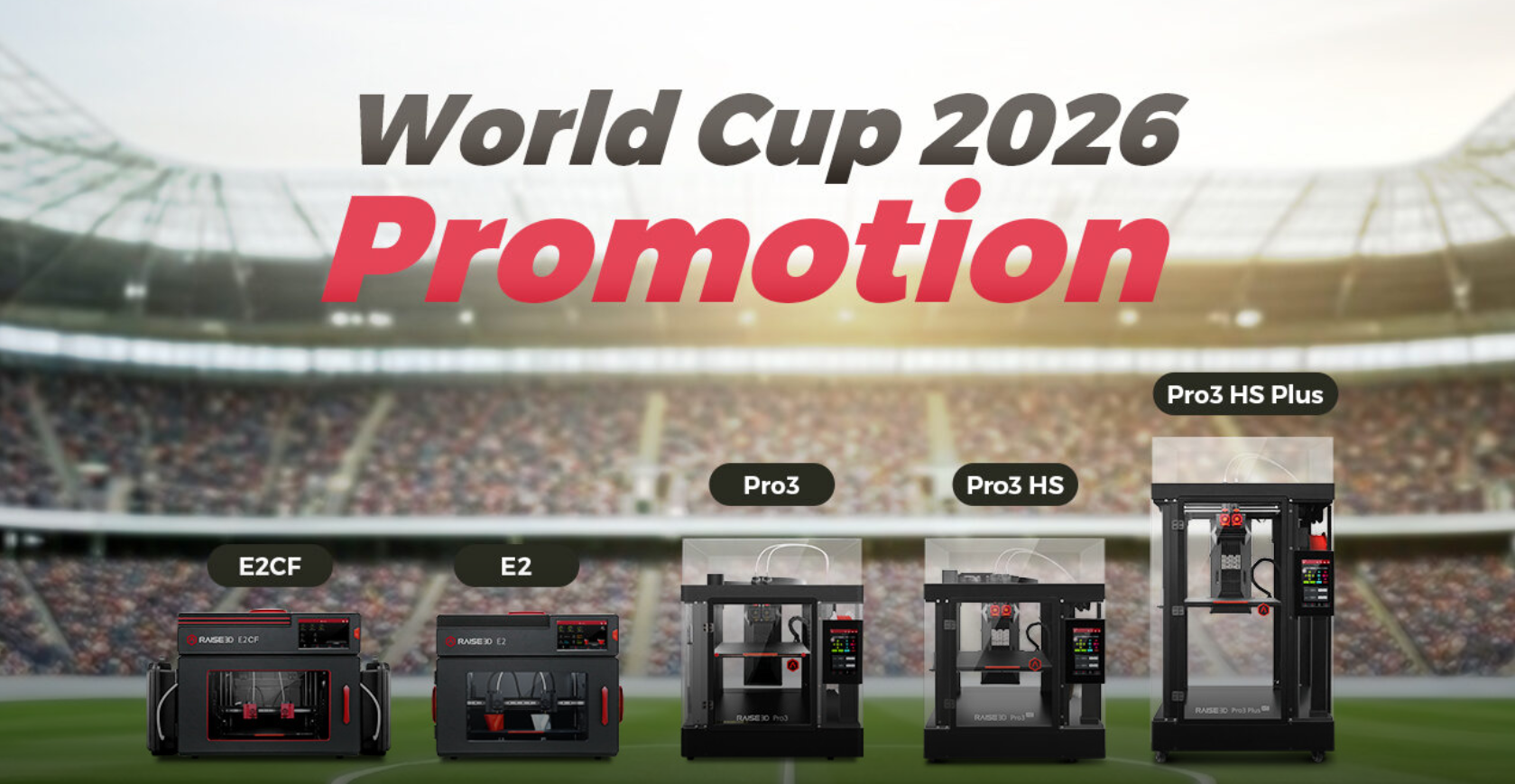
I’ve watched mid-sized manufacturers swap resin vats for metal printers and wonder if anything really changed—until an IDEX rig showed up. As a curious observer, I like concrete contrasts, so start with function: an IDEX (independent dual extruder) prints two parts in parallel with separate printheads on a single build plate, while resin systems often rely on single-cure vats for high-detail batches. One clear vendor example is the work that leading 3d printer manufacturer does with configurable IDEX platforms, built for production runs where uptime and throughput matter more than micro-surface finish. The COVID-19 supply chain shocks of 2020 are a real-world anchor here—teams that needed rapid part turnaround favored systems that scaled output without extra post-processing or huge floor changes.
How IDEX changes the workflow
IDEX isn’t just “two nozzles”—it’s a shift in cadence. With independent printheads you can run mirrored prints, staggered toolpaths, or use one head for printing and the other for cleaning or support removal. That parallelism reduces idle time on the build plate and shortens cycle time per unit. You keep a single build plate but multiply effective throughput. Add FDM process control—temperatures, nozzle size, layer height—and you’ve got granular control over strength and speed. This lowers the need for constant operator intervention—small wins that add up. —And when a part fails, you isolate it without stopping the whole batch.
Measurable gains on throughput and cost
Production teams should care about three measurable outcomes: parts per hour, usable yield, and end-to-end lead time. Compared to standard resin-based setups, an intelligent IDEX layout often delivers higher usable yield for functional prototypes and jigs because FDM materials require less delicate post-curing and handling. Examples of typical gains: 20–60% faster machine-side throughput on mixed batches, reduced labor for post-processing, and lower material scrap for functional plastics. Industry terms that matter here: print speed, toolpath optimization, and build plate utilization. These are not marketing numbers—floor managers see them in shift reports and ERP feeds.
Where resin still holds the edge — and common mistakes to avoid
Resin systems remain superior for ultra-fine surface finish, micro-features, and translucent parts. The common mistake is treating every job as strictly either FDM/IDEX or resin. A smarter route mixes technologies: use resin for cosmetic parts and IDEX for jigs, fixtures, and end-use thermoplastics. Other operational errors: underestimating post-processing time for resin, or buying an IDEX without sufficient tooling for dual-material runs. Fix those, and you get a robust hybrid workflow rather than siloed islands of capability.
Operational teardown: what to test before you scale
When I ran a small operational teardown, we tracked cycle times, mean time between failures, and changeover cadence. We logged nozzle swaps, printhead offsets, and the time for support removal versus resin wash cycles. For transparency in evaluation, we labeled tests with {main_keyword} and {variation_keyword} to cross-reference batch types in the MES. The teardown revealed where vendor support matters—spare nozzle supply, firmware updates that adjust toolpath sequencing, and accessible build plate leveling. Many 3d printing machine manufacturers provide modular upgrades that make these tests repeatable without disrupting production.
Three golden rules for selecting the right production printer
1) Measure the output that matters: pick throughput metrics tied to your part mix—parts/hour, first-pass yield, and operator hours per shift. 2) Prioritize maintainability: check mean time to repair, spare parts lead times, and the vendor support footprint near your facility. 3) Match material strategy to product function: choose IDEX for functional thermoplastics and resin for fine-detail cosmetic parts. These rules cut selection time and reduce surprises on the floor.
The practical result? An intelligent IDEX layout delivers predictable, scalable production for functional parts while fitting into a hybrid strategy where resin retains a niche for detail—it’s the kind of outcome that helps teams meet deadlines without constant firefighting. Raise3D. —Efficiency that people notice.