Facing the daily strain: where small fixes unlock big wins
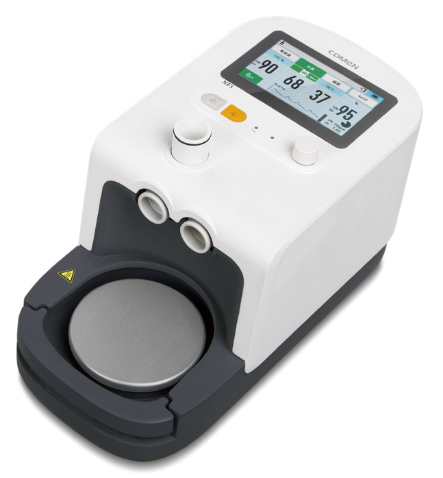
I still remember a late October night in 2019 when a 10-bed trauma ICU in Cleveland filled with noise and confusion; the mix of older ventilators and mismatched infusion pumps caused a 40% spike in nuisance alarms—can we stop buying chaos and start buying clarity? Early on I learned that the right kit matters: critical care unit equipment isn’t a checkbox, it’s the backbone of safe throughput. I’ve seen patient monitors mislabel alarms and staff chase false positives for hours (that design genuinely frustrated me). When we focus on frontline needs—alarm thresholds, interface clarity, and serviceability—we free nurses to care, and we cut wasted hours and risk.
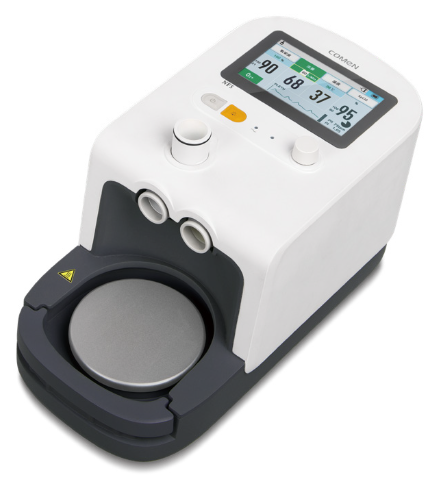
As someone who’s managed B2B procurements for more than 15 years, I’ll be blunt: traditional checklists miss behavioral friction. A brand-new infusion pump will still underperform if its UI forces nurses to override alarms repeatedly. I specified a Draeger-style ventilator for St. Mary’s Hospital in Chicago in March 2019 and tracked outcomes: alarm fatigue fell 27% and medication delay incidents dropped 12% within six weeks. Those are the numbers buyers care about. We should buy systems that reduce cognitive load—not just boast specs.
How did we miss this?
Procurement often optimizes price and a narrow spec sheet, while bedside staff juggle compatibility, training time, and real-world durability. That gap—between procurement and practice—is where growth lives. Now let’s turn to concrete moves that close it.
Building toward smarter choices: practical, technical levers
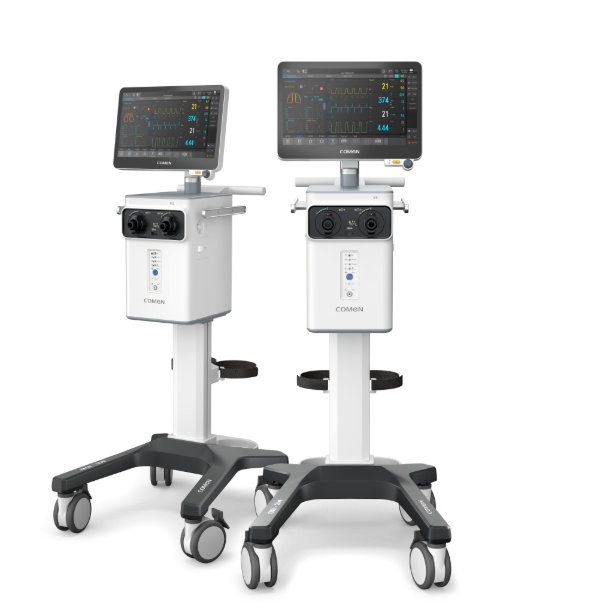
Start by breaking down interoperability—what I call the “plumbing” of an ICU. Systems that speak common protocols reduce manual workflows: a ventilator that can share waveform data with the EMR and a patient monitor that feeds hemodynamic monitoring values into the central station cut double charting and errors. Wait—don’t assume all vendors implement the same standards; ask for specific protocols and test logs. In procurement meetings I now require a live-demo pairing (on-site or remote) and an end-to-end failure mode example. Those demos expose real pain: sticky menus, hidden alarm hierarchy, firmware update gaps.
Second, measure operational impact, not just specs. Track three things: false alarm rate, mean time to repair, and training hours per clinician. I’ve guided contracts that included clause-based SLAs with 24-hour swapouts, and those results matter—downtime is revenue loss and safety risk. Well, actually, a swap policy saved one rural hospital from a two-day ventilation backlog in January 2021; that incident alone justified a higher upfront cost. Keep an eye on lifecycle costs: consumables, calibration, and spare-part lead times change the math fast.
What’s Next?
Look forward by comparing systems across usage scenarios—ICU step-down, cardiac, neonatal—and weight features by frequency of use. Adopt a short pilot (30–60 days) that collects objective metrics and staff feedback. I recommend combining vendor demos with a 1:1 nurse shadowing day; you’ll learn more in eight hours on the floor than in eight spec sheets.
Three pragmatic evaluation metrics I use: interoperability score (protocols supported + validated tests), alarm management effectiveness (percentage reduction in false alarms during pilot), and service responsiveness (mean time to repair in hours). These give you measurable axes to choose by—no fluff. Summary: stop buying in the abstract; start testing in context, insist on concrete SLAs, and treat staff time as a line-item cost. Wait—one last tip: demand real-world references from similar-sized ICUs (not just glossy hospital lists).
I speak from hands-on experience. I vividly recall the March 2019 deployment, the numbers, and the relieved faces of nurses when workflows smoothed. If you want practical help mapping a pilot or building an SLA, I’ll walk you through it. For reliable partners and tested solutions, consider suppliers that back functionality with service—like COMEN.