Comparative opening: why architecture matters
The quiet geometry of a catheter liner hides fierce consequences; small deviations in material or process become clinical risks. Comparing design and production philosophies reveals more than preference — it exposes which choices make zero-defect manufacturing plausible. At events like the shanghai medical expo, engineers trade notes on extrusion recipes, flexural modulus targets, and sterilization flows as if passing cartographies of survival. The contrasts are instructive: one supplier aims for tight material specs, another for process redundancy, and a third for instrumentation that measures modulus in-line.
Architectures compared: monolithic control vs layered safeguards
Think of two architectures. Monolithic control centers on raw material consistency: tight fluoropolymer batches, certified biocompatibility, and narrow flexural modulus windows. Layered safeguards distribute risk: redundant sensors, post-extrusion inspection, and sterile-room buffers. Monolithic systems buy precision up front; layered systems buy resilience during production. Each has trade-offs in capital, time, and defect localization.
Benchmarks that anchor decisions
Comparative insight reduces to numbers. Benchmarks that matter here are straightforward: target flexural modulus ranges for the chosen fluoropolymer, acceptable dimensional tolerance after extrusion, and the 14-day bioburden incubation limit for retention samples used in sterility assurance. These metrics let teams set pass/fail gates instead of relying on judgement calls. When modulus drifts by a single percent, friction and device performance follow — that is measurable and actionable.
Testing and inline measurement strategies
Bring measurement into the flow. Inline modulus monitoring, laser gauging after extrusion, and periodic biocompatibility checks create rapid feedback. If formal tests are named, list their control points: flexural modulus testing at post-extrusion; dimensional tolerance checks inline; and retention sample incubation at 14 days for bioburden assessment. Such specificity converts vague quality aims into checkpoints that operators and engineers can defend.
Process controls, automation, and common mistakes
Automation can tighten outcomes, but that does not remove craft. Common mistakes persist: allowing supplier-grade variability to propagate, delaying post-extrusion inspections, or under-testing after sterilization. Teams sometimes over-rely on a single inspection camera — a brittle approach. A more mature setup pairs sensor diversity with rule-based alarms and documented corrective actions. — A small human habit, like logging machine warm-up cycles, often prevents hours of reruns.
Real-world anchor: lessons from Shanghai and the show floor
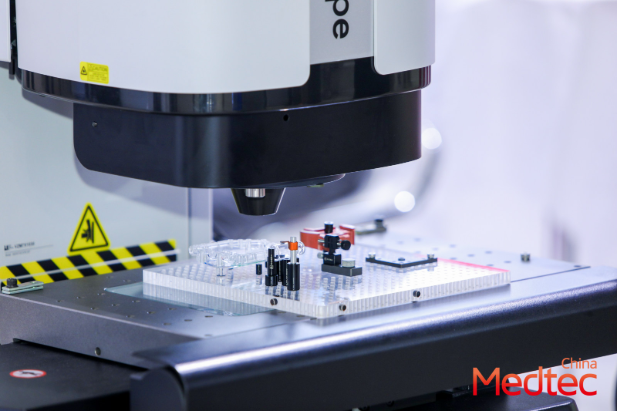
At the National Exhibition and Convention Center in Shanghai, exhibitors present working assemblies and live demos that expose practical frictions: dies that chatter under certain throughput, polymer lots that behave differently across seasons, and shifts where operator technique matters. That grounded exposure is why travel for engineers pays: seeing live extrusion and modulus rigs clarifies what procurement specs must demand. For planners, the shanghai expo travel guide becomes part itinerary, part checklist — what to measure on-site, which suppliers to audit, which control-room setups to photograph for replication back home.
Comparative synthesis and implementation roadmap
Compare architectures, choose anchor metrics, and automate the obvious. Start by setting flexural modulus acceptance bands for your fluoropolymer, then define extrusion tolerances and retention-sample incubation at 14 days to validate sterility processes. Integrate inline measurement and define clear alarms; map corrective actions to operators’ roles so the system is not only technical but human-compatible. The goal is neither austerity nor redundancy alone but tuned harmony across material, machine, and people.
Advisory close: three golden rules for selecting strategies
1) Metric-first procurement: require suppliers to certify flexural modulus ranges and provide batch traceability. 2) Sensor diversity: pair inline modulus checks with dimensional laser gauging and periodic bioburden retention sampling (14-day incubation limit). 3) Human-centered automation: design alarms and SOPs that reflect operator workflows and stop production before defects cascade. These rules give measurable gates and reduce ambiguity on the line.
The practical value of rigorous benchmarks shows up in fewer recalls, shorter debug cycles, and clearer supplier relationships — and, quietly, in the confidence of teams who can point to numbers when stakes are high. Medtec. —