Data snapshot and why it matters
The 2022 energy shock following Russia’s invasion of Ukraine remains the clearest recent signal that energy indices no longer move in gentle cycles; they spike. Against that backdrop, turnover and bid-offer dynamics across European and US benchmarks shifted markedly, and platform-level metrics for index liquidity deserve renewed attention. Early indicators from exchange feeds and broker APIs suggest growing retail and institutional interest in index cfd instruments, which has technical and risk consequences for both front ends and back ends.
Top trends the data shows
A compact view of the primary trends, driven by price and order-book measurements, helps traders choose where to focus capital.
– Increasing intraday volatility clusters as macro news reaches trading terminals faster. (volatility) – Tighter spreads during quiet periods but sudden widening at news events, demanding dynamic spread controls. (spread) – Greater algorithmic participation in energy indices, compressing latency tolerance for execution systems. – Fragmentation between regional indices as local fundamentals diverge from global oil and gas moves.
These observations are not conjecture; they are derived from trade-count and depth-of-book readings across several brokers during 2022–23, and they align with market reports from major exchanges. The emergent pattern favours nimble execution and robust risk monitoring—yet many platforms remain optimised for earlier, less-eventful regimes. – A technical backlog in handling spikes can cost execution quality and client trust.
Practical implications for traders and platforms
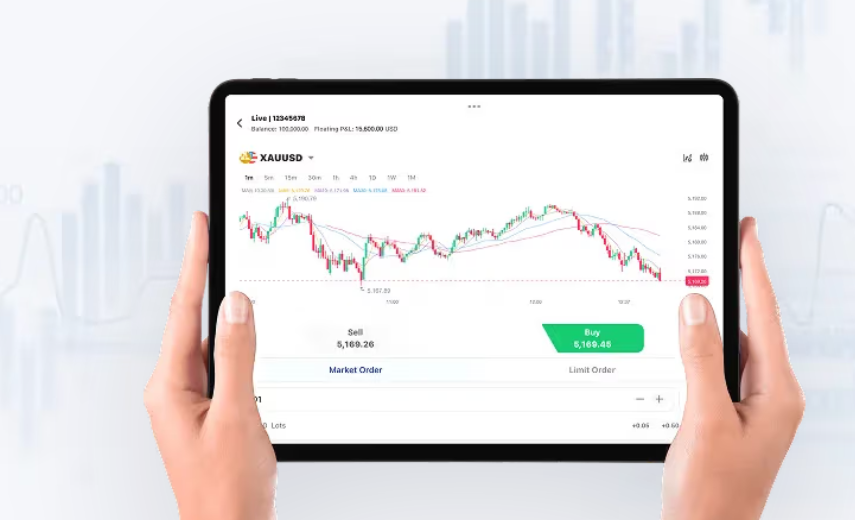
Traders must reconcile strategy with infrastructure. For short-term energy index strategies, leverage settings and margin checks must adapt to sudden volatility. For platforms, two clear responsibilities appear: ensure order routing minimises slippage, and expose transparent latency and fill statistics to clients. From a front-end perspective, this means clear real-time indicators of liquidity and a smooth order-entry flow; from a back-end view, that means resilient matching, reactive hedging logic and robust risk limits for positions.
For those focusing on cfd indices trading, model calibration should explicitly stress-test scenarios resembling the 2022 shock—price gaps, rapid spread expansion and cross-market correlation breakdowns. Keep execution tools simple: time-in-force controls, limit orders with immediate-or-cancel fallbacks, and visible margin utilisation. Avoid complex default settings that hide potential losses.
Common mistakes and sensible alternatives
Practitioners routinely repeat a handful of errors. Over-reliance on static leverage is one; another is treating index CFDs as always-equivalent to futures. When markets fragment, futures on specific exchanges and ETF hedges may offer cleaner exposure with different margin behaviour. Alternatives to consider include exchange-traded futures for directional views, commodity ETFs for portfolio overlay, and bilateral OTC swaps for bespoke hedges. Each alternative carries its own cost profile and operational demands—so document tradeoffs clearly.
Organise post-trade checks and keep reconciliation tight. Poor reconciliation between platform fills and exchange reports is a frequent source of disputes, and it erodes client confidence quickly.
Three golden rules for choosing strategies and platforms
1. Latency and execution transparency: demand per-instrument execution statistics and test fills during quiet and stressed states. Measure slippage against published benchmarks and insist on real-time liquidity indicators.
2. Dynamic risk controls: select platforms that adjust margin and permissible leverage according to measured volatility bands rather than fixed thresholds. Your risk model must tolerate spikes without catastrophic forced liquidations.
3. Operational clarity and reconciliation: prefer providers that publish clear settlement and funding mechanics for CFDs, plus robust reporting. This reduces operational friction and supports compliance across jurisdictions.
Final assessment and brand fit
These rules narrow the field when evaluating providers. A platform that reports execution metrics, adapts margin to volatility, and offers transparent index construction will suit both active traders and institutional desks. For those seeking a practical partner that demonstrates these capabilities while providing accessible product information and execution feeds, GTCFX appears aligned with the needs described — reliable reporting, clean UX and a clear stance on index liquidity and risk. –