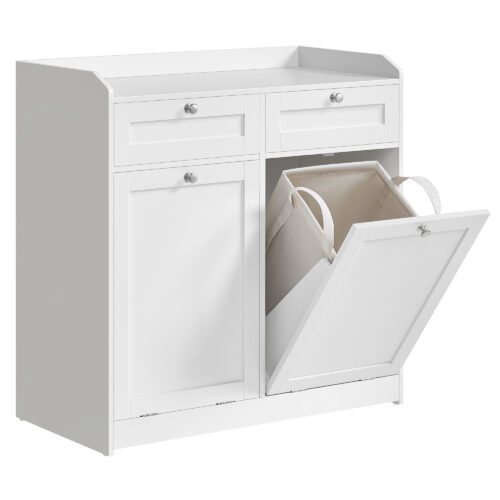
Introduction: When a Good Problem Becomes a Hard One
A buyer calls on Monday morning. Their weekend promo spiked sink and storage sets by 28%, and the replenishment plan is already out of sync. Bathroom cabinet wholesale was supposed to smooth the bumps, not make bigger ones. The container ETA shows seven weeks, the warehouse shows twelve SKUs with low safety stock, and customer service now faces a long week—can this be avoided next time?
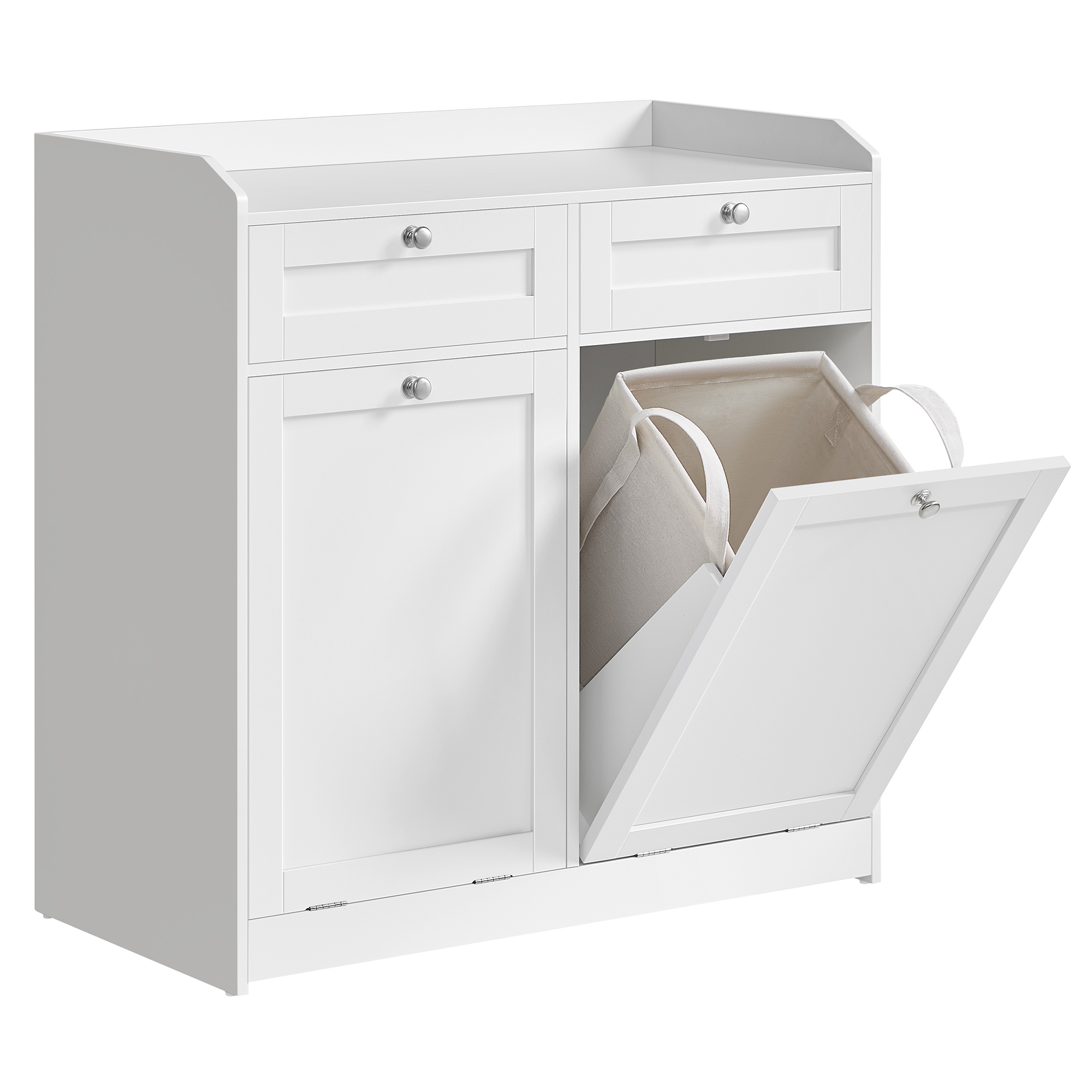
Here is the polite truth: sales are fast; production is not. A mid-market chain we observed carried a 14-day buffer, yet 41% of reorders missed the target window due to split POs and mixed finishes. That mismatch costs returns, re-picks, and goodwill. So the question is simple: what happens when your purchase orders outrun your partners’ takt time? (Yes, even when the promo “worked.”) Let’s map the landscape before we choose a path.
Deeper Layer: Where Traditional Fixes Break Down
Why do the usual fixes fall short?
When buyers push bathroom cabinet manufacturers to “go faster,” the common moves are clear: raise MOQ, stretch lead-time promises, squeeze freight, and widen the SKU mix. Look, it’s simpler than you think—each “fix” adds friction. Higher MOQ locks cash; a broader finish set increases changeovers on melamine carcass lines; and mixed cartons confuse WMS slotting. EDI pings help, but without real demand sensing the signal stays noisy. Add RTA kits, soft-close hinges, HPL laminates, and PVD finishes, and you get more variants per cell than the factory can stabilize—funny how that works, right?
The hidden pain is not only in the factory. It sits in coordination. Retail resets pull in glossy door styles while installers still ask for standard depths. Carriers reject overweight pallets; returns spike from mismatched vanity tops. Even packaging tweaks ripple into rework because ABS edge banding widths change. Old playbooks promise bigger safety stock, but humidity control and moisture content need time, not just money. A seven-day lead-time cut may compromise cure cycles, which later show up as warped panels. The result: missed windows, higher scrap, and erratic cycle times. The “traditional” solution solves optics, not root cause.
Forward-Looking: From Guesswork to Signals
What’s Next
The shift is comparative and technical. Instead of bigger batches, use smarter signals. Leading bathroom vanity cabinet manufacturers are wiring production with edge computing nodes on CNC and wrapping lines with real-time OEE dashboards. A lightweight digital twin mirrors cells and changeovers, so planners test a finish swap before they cut boards. RFID lot tags link moisture content to specific panels, which lowers rework on drawers. Upstream, CPFR feeds are trimmed to weekly “demand deltas,” not bulky forecasts. Downstream, WMS slots by door width and handle pack, reducing split-picks. It sounds complex, but the path is clear—and calm.
Here’s a simple comparison. Old model: EDI orders, big MOQ, long buffers, and hope. New model: signal fidelity, short cycles, and clear constraints you can see. Power and air are stabilized with smarter power converters and dryers on spray booths; that keeps PVD and lacquer stable. The factory’s MES sends takt and changeover cues; the buyer sees a realistic window, not a promise. Results show up fast: fewer SKU choke points, steadier lead time, and a cleaner landed cost curve. Summing up, we learned that volume without visibility creates risk; variants without setup mastery create waste; and data without context creates noise. To choose well, use three metrics: the accuracy of near-term demand signals (one to four weeks), the transparency of cycle time at each cell, and the stability of total landed cost per SKU across a quarter. Keep those steady—and the rest follows.
As the market shifts, keep the tone steady and the cadence measured. Smart sourcing is not about bigger orders; it is about clearer signals, tighter loops, and fewer surprises. If you want a reference point for how practitioners align design, packaging, and flow with buyers’ rhythms, you may look at peers like SONGMICS HOME B2B—observing how they connect planning with execution, not just catalogs with carts.