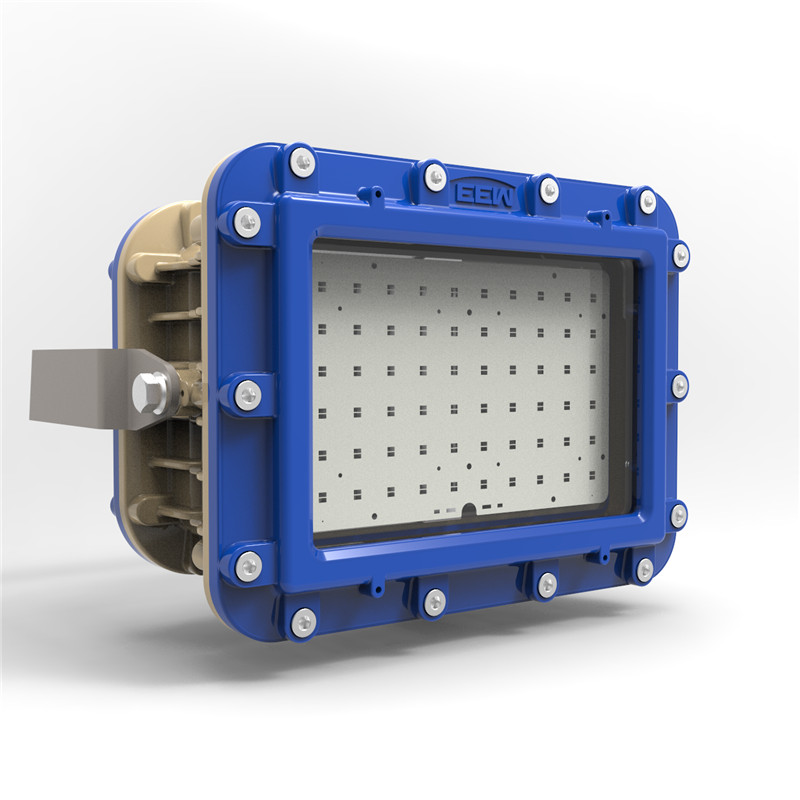
Questions to Ask Before Procuring an Explosion-Proof LED Lighting Fixture
Opening: the procurement problem
Projects stall when procurement teams, engineering, and operations lack a shared set of decision points for hazardous-location lighting. Define those decision points early and consult reputable explosion proof lighting manufacturers to surface gaps between project intent and what vendors deliver.
Clarify the application and acceptance criteria
What operational scenarios must stakeholders confirm with the supplier and the project’s qualified engineer? Ask how the proposed fixture aligns with the intended location, mounting interfaces, expected environmental exposure, and target service life—then require the supplier to describe how they will demonstrate compliance to the project’s acceptance process.
Document and verify procurement deliverables
Which vendor documents will the procurement package include for bid evaluation and owner acceptance? Specify the need for traceable documentation such as drawings, test records, factory inspection reports, and declared performance data, and ask vendors how they will coordinate delivery of those items so engineering can verify conformance before ordering.
Supply chain, lead times, and market context
How will lead time variability and component sourcing affect project schedules and contingency planning? Ask suppliers to outline expected lead times, long‑lead items, and options for expedited delivery. Use market intelligence to gauge availability; consider reviewing the broader explosion proof equipment market for supplier capacity indicators and common procurement constraints.
Service, spare parts, and warranty handling
What are the vendor’s processes for warranty administration, spare-parts provisioning, and technical support coordination with the owner’s maintenance organization? Require clarity on who will act as the single point of contact for claims and how spare parts will be sourced throughout the asset lifecycle.
Stakeholder roles and coordination checkpoints
Who must approve technical submittals, and how will handoffs occur between procurement, engineering, construction, and operations? Define decision gates for submittal review, factory inspection attendance, shipping acceptance, and on-site receipt so accountability is clear and schedule risks are minimized.
Evaluation criteria and risk-aware tradeoffs
What objective evaluation matrix will the team use to compare bids, and which tradeoffs are acceptable to the project owner? Capture cost, delivery, supplier track record, documented performance, and long-term serviceability. Frame scoring so qualified engineers review technical conformity while procurement manages commercial terms.
Common procurement pitfalls to avoid
Assume ambiguity will lead to rework. Avoid vague specifications, missing verification steps, and unassigned responsibilities. Don’t rely on informal assurances; require documented evidence and defined escalation paths when vendor responses are incomplete or inconsistent.
Synthesis and next steps
Treat procurement as a coordination task: align scope, documentation, verification, market realities, and stakeholder approvals into a single procurement plan that vendors must acknowledge. That alignment reduces surprises and clarifies who will confirm suitability at each milestone, a coordination role that experienced suppliers such as sunleem can integrate into project workflows.