
Quick reality check
Cheap tags look tempting, fast delivery sounds great, and top-tier rugged tags promise zero headaches — you can’t have all three without tradeoffs. I’m going to compare real options so you can pick what matters: upfront price, how long you wait, and how likely the tags are to survive the job. If your project needs cloud hooks or custom firmware, think about custom iot solutions early in the quote stage — that choice alters cost and lead time fast.
Price buckets and what they actually buy
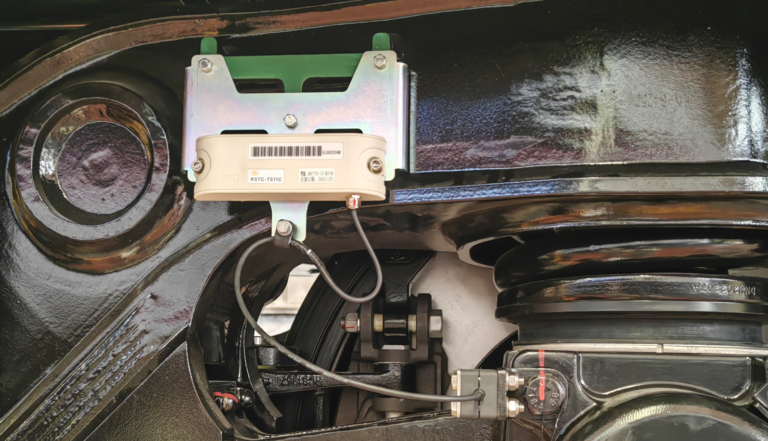
Low-cost active tags: under $20 each. Good for one-way asset presence and short-term pilots. They often skimp on battery capacity, enclosure sealing, and firmware flexibility. Mid-range tags: $20–$60. Expect better batteries, configurable beacon intervals, and some IP rating. High-end tags: $60+. You get long-life batteries, hardened housings, field-upgradeable firmware, and calibrated sensors. Don’t assume sticker price includes batteries, testing, or certifications — ask for fully loaded quotes.
Lead time drivers — what slows down delivery
Inventory: many vendors hold stock for standard SKUs; custom PCB or casing creates lead time. Certifications: UL, ATEX, or marine approvals add weeks. Firmware customization, especially for proprietary networks or encrypted payloads, is a major delay. Also plan for sample cycles: getting and testing samples adds time but saves months of rework. If you want a faster turnaround, pick stocked SKUs and accept fewer custom features.
Quality signals that matter
Look past marketing claims. Ask for measured battery life at your intended beaconing interval, drop-test reports for enclosures, and environmental test data (temperature and humidity). Check antenna performance curves if range is important. Request the device’s mean time between failures (MTBF) or at least field return statistics. If a vendor won’t share any test results, treat their price as a risk factor.
Comparative tradeoffs — what to choose by use case
Short pilot: pick low-cost tags, cheap batteries, and plan to swap hardware later. Long-term asset tracking in harsh environments: invest in rugged mid-to-high-end tags and insist on validated battery endurance. High-security sites: prioritize firmware-level encryption and secure provisioning — that often means higher cost and longer lead time. If you need fine-grained location (sub-meter), active RFID might lose to UWB for accuracy, but it wins for battery life and range. Match the tag class to what you actually measure, not the headline spec.
Common pitfalls people miss
Buying purely on price without testing at operating beacon intervals. Ordering thousands before validating enclosure fit and antenna orientation. Ignoring provisioning workflows — shipping tags without a quick assignment method costs hours in setup. Overlooking lifecycle costs: replacement batteries, field service, and firmware updates add to total cost of ownership.
Simple checklist before you sign
1) Get a functional sample and run it at your exact beaconing schedule. 2) Confirm battery life in your environment, not vendor claims. 3) Ask for enclosure and IP ratings, plus drop test evidence. 4) Understand provisioning and serial assignment steps. 5) Factor customs, certifications, and minimum order quantities into lead time. These five points cut most buyer regrets.
Experience, expertise, and a real-world anchor
I’ve led deployments where tags were demoed alongside industrial automation booths at Hannover Messe, and that field exposure taught me to demand lab test data and deployment logs. Vendors who supplied test logs and clear integration guides produced far fewer surprises. For system-level needs, pair tag selection with platform capability — for example, review how your chosen hardware will work with industrial iot solutions before committing. That alignment cuts integration rework and clarifies costs.
Alternatives worth comparing
Bluetooth Low Energy: cheaper, dense device ecosystem, shorter battery life at high broadcast rates. UWB: best for precise ranging, pricier and more complex. Passive RFID: lowest cost per tag but limited range and no active telemetry. Don’t force-fit active tags where BLE or UWB will hit requirements more cleanly.
Final take — practical buying advice
Decide which axis matters most: cost, speed to deploy, or longevity. Buy a small sample batch, run real-world tests, and lock provisioning and firmware needs into the purchase order. If you want a partner that understands both hardware choices and system integration, consider how RSTC fits into that mix — they tend to bridge hardware tradeoffs and platform work without unnecessary surprises.
