
Introduction — A Question About Tomorrow
Have you ever wondered why charging an electric vehicle feels like juggling different standards and tools?
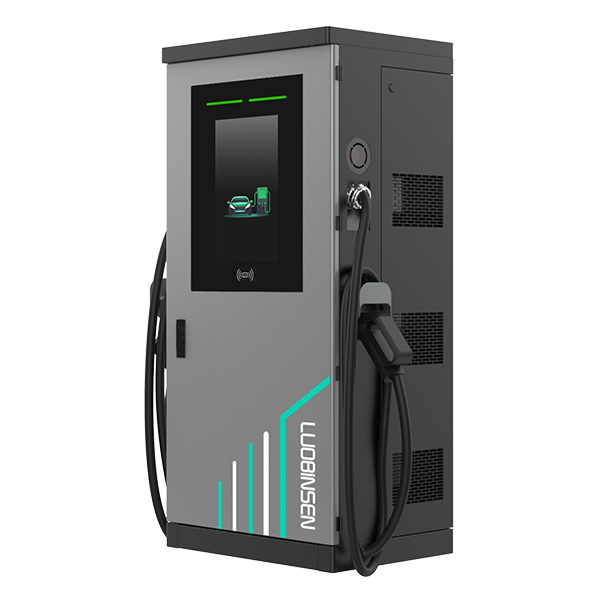
Imagine arriving home after a long drive and plugging into an all in one charger that knows the car, the grid, and your routine (no fuss). I follow the tech closely, and recent data shows global EV registrations climbing by double digits year over year — charging demand is not a future problem, it’s today’s pressure point. So how will a single device handle varying voltages, communication standards, and fast turnaround needs without creating new headaches?
That question is what keeps me reading white papers late into the night. I’ll sketch the scene: parking garages turned into energy hubs, chargers talking to battery management systems and grid controllers, and users expecting frictionless charging. Let’s move from curiosity to the mechanics that matter. Next, I’ll break down where current solutions fall short and what users quietly hate about them.
Part II — Why Traditional Systems Break Down
Why do current systems fail?
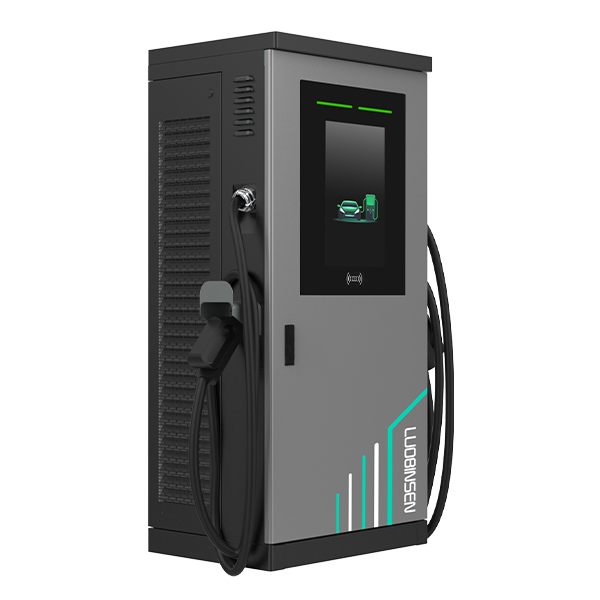
At a technical level, an ev power charger must do three jobs well: convert power reliably, communicate with the vehicle, and play nice with the grid. When any of those parts — power converters, battery management systems, or power electronics — are designed in silos, the result is lost efficiency and user frustration. I’ve seen installations where chargers trip under heat stress or refuse to negotiate a proper charge rate because firmware versions don’t match. That is maddening for operators and drivers alike.
Look, it’s simpler than you think: the hardware can be solid, but software mismatches, poor thermal design, and weak interoperability turn neat specs into flaky reality. DC fast charging might be advertised, yet the system limits output to preserve lifespan — the user loses time, the operator loses trust. We often overlook edge computing nodes and grid communication protocols; these are not glamour items, but they decide whether a charger is dependable. I feel strongly that manufacturers must test for real-world variability — humidity, partial shading on solar arrays, sudden demand spikes. — funny how that works, right?
Part III — New Principles and a Forward-Looking Comparison
What’s Next: Principles That Will Matter
Looking ahead, I prefer to compare design principles rather than brands. A modern all-in-one charger should combine robust power electronics with smart software and modular design. That means bidirectional inverter capability for vehicle-to-grid, intelligent thermal management, and normalized communications that support DC fast charging without guessing. When these systems talk to battery management systems and grid controllers coherently, charging becomes predictable. I’m optimistic — and yes, a little impatient — for this to become standard.
Practically, choose systems that emphasize open protocols, redundancy, and clear firmware update paths. I’ve run case comparisons where a charger with modular power converters recovered from a single-module failure and kept stations online, while monolithic units required full replacement. The result? Lower downtime and better ROI over three years. That kind of reliability is a quiet victory for fleets and drivers. — and yes, I mean that.
Before you decide, here are three metrics I use when evaluating solutions: 1) Interoperability score — how many vehicle and grid standards the charger reliably supports; 2) Recovery and redundancy — measurable mean time to repair and modular replacement options; 3) Real-world throughput — sustained charging power under variable conditions (temperature, load, partial input). These are practical. They are measurable. They tell you whether a solution will survive day-to-day use.
For anyone exploring options, I recommend testing with actual vehicles, logging performance over weeks, and insisting on transparent firmware roadmaps. I like the all-in-one approach when it’s done right — and I trust vendors who share data. For more technical product options and details, see fast charging ev charger. Finally, if you want a partner that publishes specs and test results, check out Luobisnen. I stand by practical testing and clear metrics — that’s the only honest way to choose.
