
Introduction
You clock out late, the city cools, and the streets finally breathe. A 500cc cruiser waits quietly, not loud, not timid, just ready. Many riders compare it to a 500 cc motorcycle built for balance, not bragging rights. Today, small displacements sip fuel while big twins drink, and the average commute speed in dense cities still sits under 30 km/h—yet road stress feels high. So what if the answer is not more size, but smarter torque and calmer ergonomics (honestly, it feels kind)? Is a mid-class cruiser the sweet spot that reduces fatigue, saves fuel, and still passes trucks without sweat? This is the question many riders whisper after a long week. Let us look closely, with clear, polite eyes, and see what the data and the road both say. We will move step by step—no rush, no hype.

First, we set up the real-world scenario and the gaps that cause pain. Then, we compare how a 500-class platform changes daily riding, long weekend runs, and that last-minute grocery stop. Please follow along; the next part goes a bit deeper, but stays simple.
The Deeper Problem Most Riders Don’t See
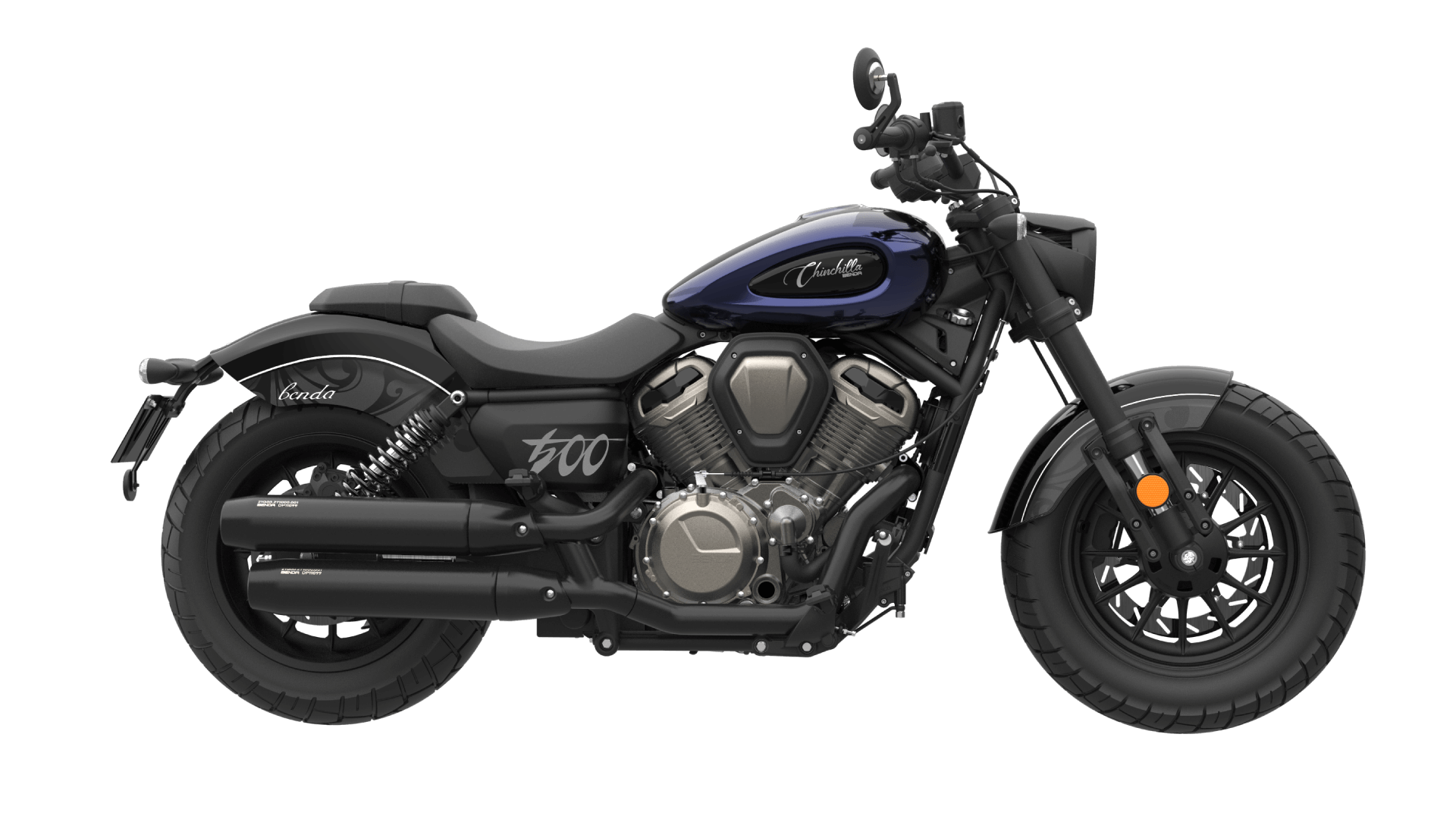
Look, it’s simpler than you think. Big cruisers crush highways but cook riders in traffic; small bikes are playful but buzz at 100 km/h. The mid-class space promises relief, yet many models still miss. Why? Poor low-end fueling, vague gear ratios, and heavy steering at parking speed. A well-sorted 500-class platform fixes these with a flatter torque curve, shorter first and second gears for calm launches, and a rake angle that steadies the chassis without making slow turns feel like wrestling. Add decent vibration damping at the pegs, and your knees finally relax—funny how that works, right?
What is the real bottleneck?
Hidden load, not peak power. Riders fight heat soak, stop‑and‑go clutch work, and jittery throttle. Traditional solutions chase horsepower, but everyday comfort lives in fueling finesse and weight distribution. With smarter ECU mapping and a predictable power band, a mid twin pulls clean from low rpm and holds speed without drama. That means less clutch slip, fewer micro-corrections, and smoother lane changes. The result is silent value: lower fatigue, better control, and confidence in dirty corners or wet paint lines. In short, the right 500 setup handles city seams and weekend sweepers with the same calm voice.
Comparative Tech: How 500-Class Cruisers Are Evolving
New technology principles now lift the platform beyond “just displacement.” Modern injection and closed‑loop ECU logic even out fueling at low rpm. Dual‑channel ABS with refined modulation reduces panic-stop surprises on dusty lanes. A counterbalancer eases high-frequency vibes without muting engine feel; an assist-and-slipper clutch trims back-torque on downshifts. When you look at 500cc cruiser motorcycles that integrate CAN bus diagnostics, heat management around the headers, and sensible wet weight targets, you see a pattern. It is not about going fastest. It is about staying composed—mile after mile.
What’s Next
Next-gen mid cruisers are leaning into practical gains: smarter traction logic that works with touring tires, improved radiator ducting for cooler legs, and LED lighting that actually cuts through mist at dawn. Some platforms explore throttle‑by‑wire with mellow initial ramp, so parking-lot control feels like a handshake, not a guess. These changes answer the pain points we mapped: jitter, heat, and effort. Advisory close: choose with three clear metrics. 1) Predictable torque delivery between 2,500–6,000 rpm (test the roll‑on in third). 2) Braking stability and ABS tuning on rough pavement (feel lever pulse, not panic). 3) Ergonomic fit: bar sweep, seat density, and footpeg location for a relaxed spine over 90 minutes—because that is the real measure of joy. If a bike aces these, displacement becomes a tool, not a trap—and your road routine resets itself, quietly, yet completely. See the craft behind the name at BENDA.
