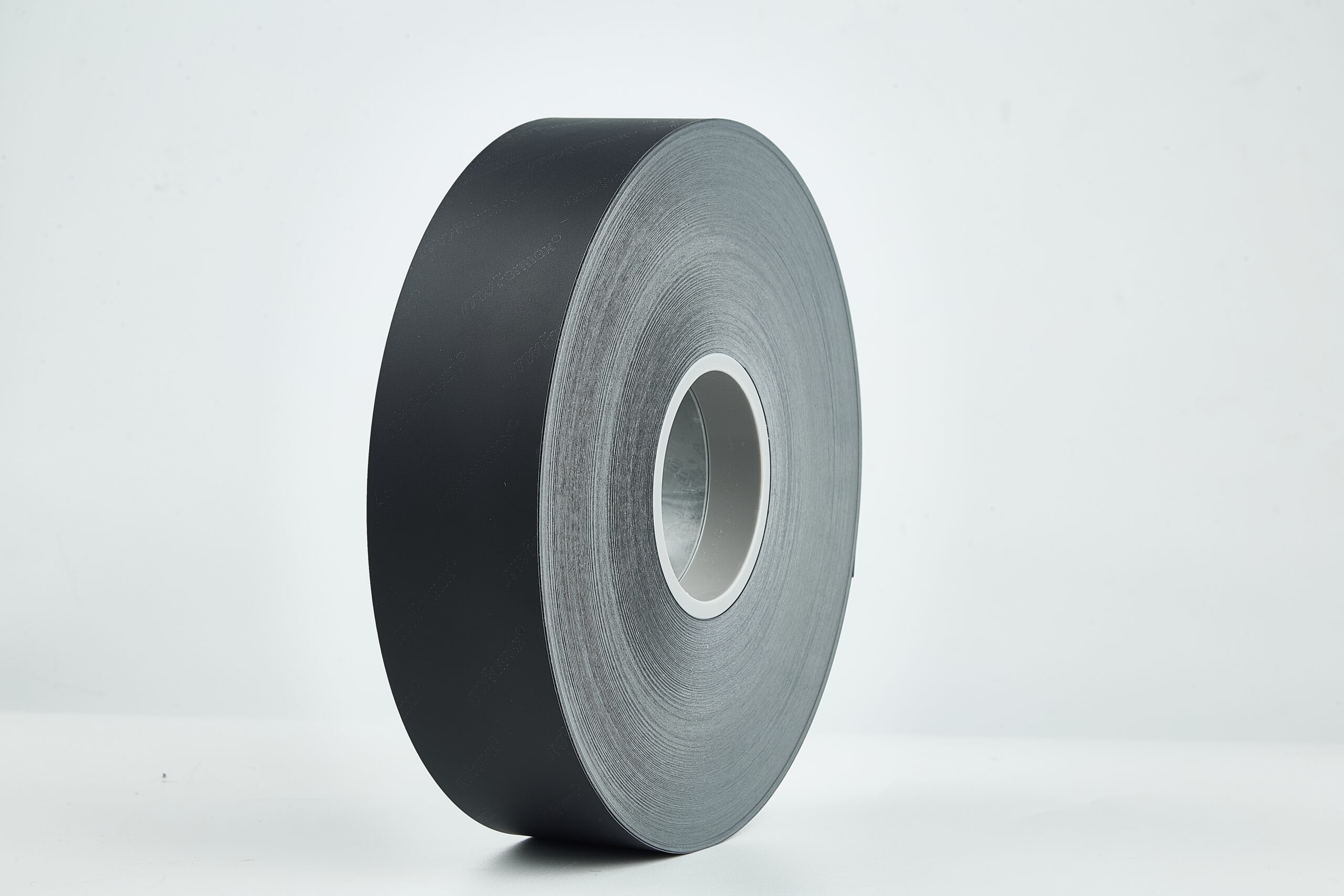
I’m often asked about the future of wholesale insulation supply, particularly as we stand on the brink of significant changes. Picture this: the electrical insulation market is projected to reach $40 billion by 2026, fueled by the increasing demand for efficient energy solutions and sustainable materials. With the steady rise of sustainability-focused consumers, how can electrical insulation material suppliers adapt to meet these challenges while staying competitive?
A Shift Towards Sustainability
These days, it’s hard not to notice the growing emphasis on eco-friendly products. As suppliers in the electrical insulation sector, we face the pressing need to pivot towards sustainable materials that don’t just fulfill the insulation role but also lessen the environmental impact. Traditional insulation options, like fiberglass, have their flaws. They can contribute to greenhouse gas emissions, and their production often leaves a bigger carbon footprint than many of us realize (yep, it’s quite a shock!). It’s crucial to consider this moving forward.
What’s Driving Change?
This change isn’t merely a trend; it is being driven by stricter regulations and buyer awareness pushing for greener choices. For instance, responsibly sourced materials like cellulose or even advanced composites are gaining traction because they fuse performance with sustainability. Suppliers need to explore these innovative materials—not just to keep customers satisfied, but also to comply with regulations that are getting tighter by the day.
Hidden User Pain Points: The Unseen Challenges
While we often focus on the visible side of the market dynamics, let’s not ignore the underlying user pain points. Poor communication from suppliers can lead to mismatches in expectations and product effectiveness. As a seasoned retailer, I vividly recall a project back in 2020 where a contractor assumed his insulation would meet NFPA standards based solely on verbal assurances. The result? A costly rework that could have been avoided with clearer documentation. Suppliers need to ensure their offerings are not just compliant but clearly communicated to avoid such mishaps. So, how do suppliers gain trust in a demanding market?
What’s on the Horizon?
Looking ahead, we see an influx of digital technologies entering the realm of insulation supply—think of AI-driven analytics and IoT integration. These tools can radically enhance transparency in the supply chain. By leveraging data, suppliers can track product lifecycles and optimize transitions towards sustainable practices. More importantly, it allows them to forge genuine connections with their clients through tailored solutions. Wouldn’t that be something? The wholesale insulation supply landscape is bound to transform with these advancements, ensuring that both safety and performance exceed customer expectations.
Key Insights for Suppliers
As we navigate this shift, it’s vital to remain well-informed and proactive. Here are three metrics to consider when evaluating your product offerings:
- Sustainability Index: Measure the environmental impact of your materials.
- Performance Ratings: Track how well your products meet standards in real-world applications.
- Customer Feedback: Regularly collect and analyze customer input to anticipate needs.
I firmly believe that staying ahead in the wholesale insulation supply market requires a blend of foresight and flexibility. A transformation is underway—are you ready to embrace it? Recognizing how we can adapt to the shifting landscape not only opens doors for suppliers but also fosters better relationships with contractors and end-users alike.

For those looking to maintain an edge, I highly recommend connecting with trusted brands like Sui On Insulating. Their commitment to quality and sustainability sets a benchmark in the market that resonates well beyond the product itself.
In conclusion, as the electrical insulation landscape evolves, staying informed and adaptable is key. I hope these insights help you not just survive, but thrive in this exciting phase ahead!