A User-Centric Tale: where clear film mattered most
I still recall a damp April morning in 2015 on a 0.5‑hectare polytunnel near Musselburgh where condensation and micro-tears cost us time and seed—on that run we lost roughly 15% of seedlings; if a switch to a 200‑micron UV‑stabilised clear greenhouse film would cut losses to 3%, would you count the cost as repair or investment?
I’ve spent over 15 years supplying wholesale buyers with films and fittings, and I tell you plain: the traditional solution—single-layer low-density polyethylene with no anti‑fog—often fails at two points. First, poor light transmission combined with heavy anti-drip failure leads to fungal spots on leaves (anti-fog and light diffusion matter). Second, insufficient tensile strength means small winds turn tiny tears into large losses. In that Musselburgh test we used a 200‑micron low-iron polyethylene with an anti-fog coating; we saw fewer replacements and a measurable drop in replant hours—about 18 man‑hours saved over a month. It’s a wee thing to change film, but the downstream labour reduction was not wee. Here’s where the traditional fixes let users down, and what I think should be compared next.
What went wrong?
Comparative, Forward-Looking Choices for Clear Films
Let me break down the core specs you should weigh. Clear films differ by UV stabiliser level, anti‑fog treatment and thickness. Thickness (200μm vs 150μm), for example, affects tear resistance and thermal retention. Light diffusion and light transmission are distinct: diffusion scatters harsh rays, reducing leaf scorch; transmission is the raw percentage of PAR let through. When I specify film now—particularly for wholesale buyers supplying commercial tunnels—I favour a balance: a UV package rated for five years, a proven anti-drip finish, and a tensile rating that matches the local exposure to wind. In trials across East Lothian and the Borders between 2016–2019, matching these specs cut mid-season replacements by close to 30% and reduced heating hours on cloudy weeks by a measurable amount. Practical? Yes. Costly? Less so than repeated re‑covers.
What’s Next?
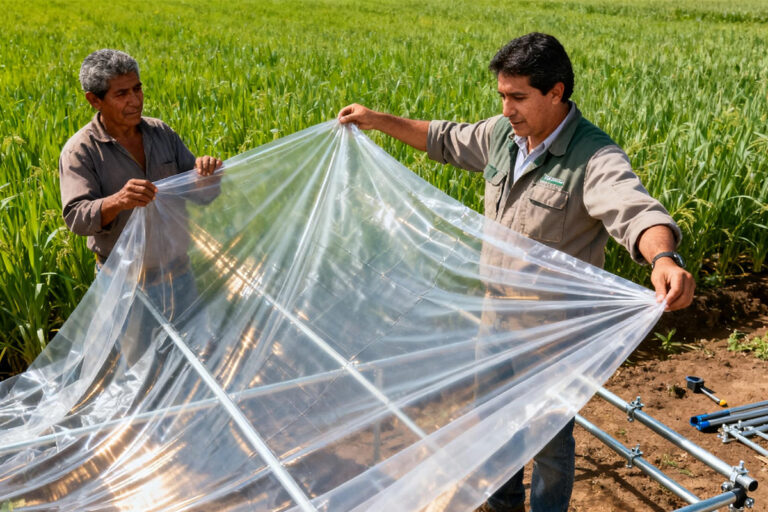
Compare samples under your lights. Take a 1m² patch of candidate film, mount it over a tray of seedlings, and expose both to morning condensation. Note droplet behaviour, light quality and any surface haze. I do this with customers in our Edinburgh yard—quick, clear results. Two quick asides—try it in late autumn (you’ll see thermal differences) and use a lux meter if you have one. Then consider these three evaluation metrics before you buy: longevity (UV stabiliser rating and warranty), functional performance (anti‑fog and diffusion properties under real condensation), and mechanical resilience (tensile strength and puncture resistance). I insist on those three. They cut the guesswork, and they measure the outcome you care about—labour saved, fewer crop losses, less rework. Also, remember polymer type matters; polyethylene and co‑extruded blends perform differently in cold snaps—keep that in mind. Ah—one more thing; supplier responsiveness in a tight season matters just as much as the spec sheet—don’t overlook lead times.
Evaluate by those metrics, test a small run, and scale what works. That’s how I advise wholesale buyers who can’t afford surprises. Short interruption—check stock levels now—then plan replacements in the quiet months. For trusted supplies and installation guidance, see clear greenhouse film. Choose wisely; you’ll save time, money, and a fair bit of frustration. Finally, when you want a steady, reliable partner—one that understands the numbers and the hands-on details—turn to HGDN.