
Start with your clinical need
You’re picking a cutting balloon catheter to solve a specific problem — not to chase specs. Think lesion type, vessel size and the procedural setting. If you’re stocking OR or anaesthesia packs, check compatibility with your other supplies; many teams keep a set of anesthesia consumables on hand so the device integrates cleanly. Keep it practical: ask whether the catheter fits the balloon diameters you use most, and whether its shaft and tip match your insertion technique.
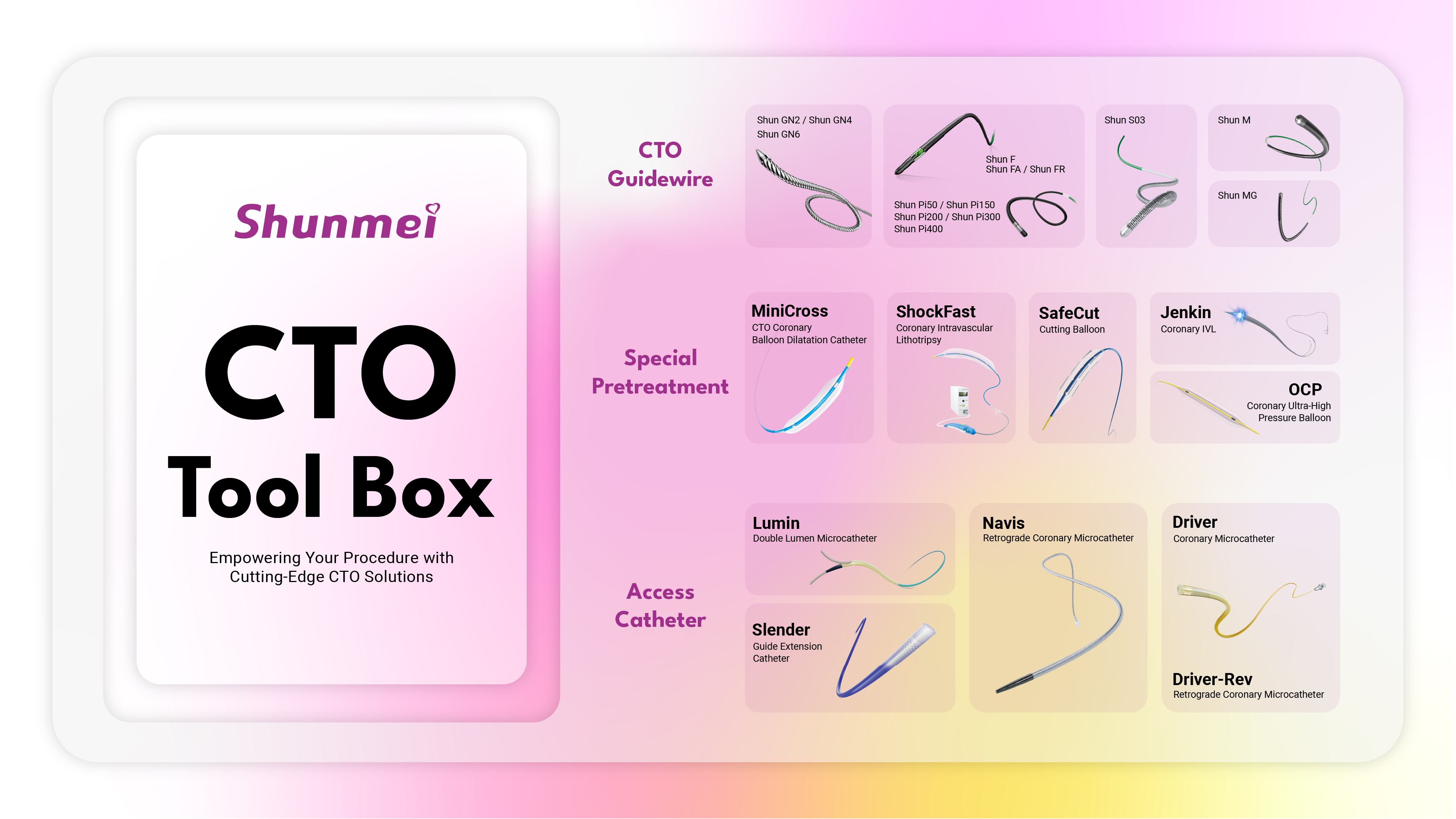
Experience, guidance and a real-world anchor
I’ve worked alongside anaesthetists and vascular teams, handling device selection and troubleshooting in live cases; that hands-on view matters when a millimetre shifts success to complication. Trust the guidelines your peers follow — for anaesthesia-relevant device handling see the American Society of Anesthesiologists (ASA) guidance for perioperative equipment safety — and match that to manufacturer data. For an immediate product reference, check a reliable source like catheter for anesthesia when confirming lumen size and material specifications.
Key specs that actually affect outcomes
Balloon diameter and length determine lesion coverage; over- or undersizing causes vessel trauma or inadequate therapy. Cutting elements: number, alignment and blade exposure control micro-incisions and limit dissection. Shaft torque and pushability decide deliverability through tortuous anatomy. Tip profile and hydrophilic coating influence crossing ability and vessel wall trauma. Rated burst pressure tells you the margin before device failure; never exceed recommended inflation ranges. Materials matter — nitinol or stainless steel blades behave differently under repeated inflation.
Common mistakes users make
Choosing solely on brand name or price; mismatch between balloon and vessel; ignoring shaft compatibility with your guiding catheter; over-inflating because a slightly better lumen gain seems tempting; assuming coatings behave the same in every patient. Not training the whole OR team on device handling is a silent risk — if the scrub or anesthetic nurse doesn’t know the inflation system, delays and errors follow.
Viable alternatives and trade-offs
Plain angioplasty balloons: simpler, cheaper, less precise for fibrotic lesions. Scoring balloons: similar concept, fewer cutting elements and often gentler. Atherectomy devices: more aggressive debulking, higher technical demand and cost. Choose a cutting balloon when controlled micro-incisions improve luminal gain without extensive tissue removal. Balance device complexity against team familiarity and the case’s risk profile.
Quick, practical checklist before you open the pack
Confirm balloon diameter/length vs vessel; verify rated burst pressure and inflation medium; inspect shaft length and connector type; ensure blade exposure matches lesion type; rehearse inflation sequence with scrub; verify backup devices and appropriate sized guiding catheter; label and align device for the main operator. Small checks save big trouble in the room.
Conclusion
You want predictable performance with minimal guesswork. Match the device to the lesion and the team’s skills, check the measurable specs that change outcomes, avoid the common traps and keep a sensible fallback plan. Practical selection, backed by real procedural experience and standards, points toward suppliers who document specs clearly and support clinical teams — that’s the kind of reliable sourcing you find from Shunmei.
