Understanding the user problem first
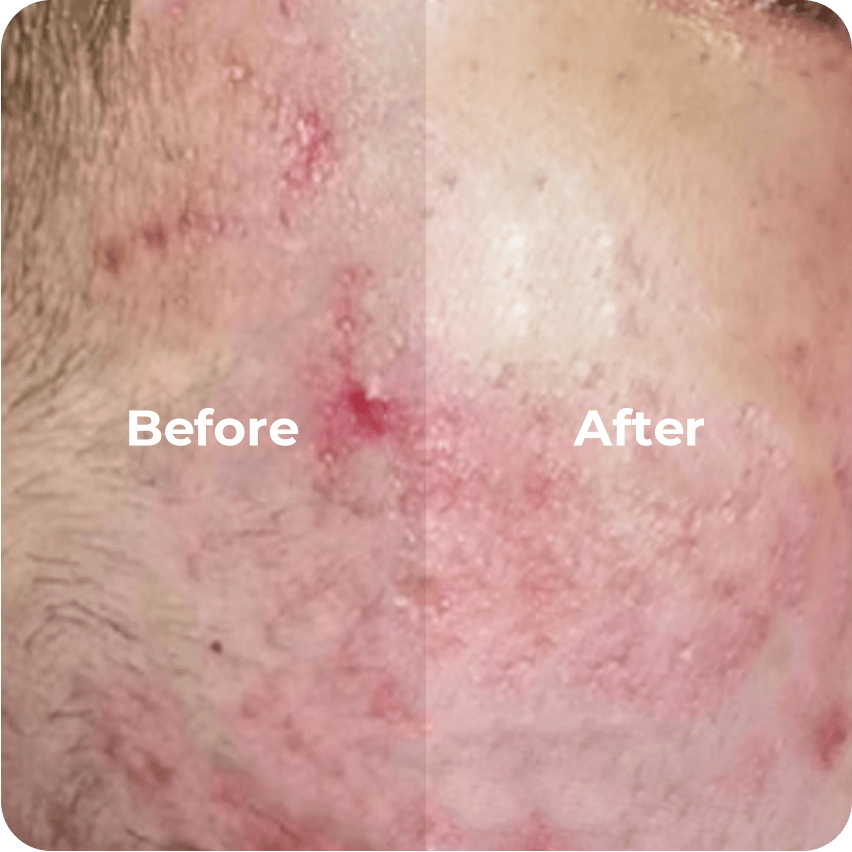
Many patients and clinic owners want reliable, natural-looking photorejuvenation outcomes, but they worry about burns, inconsistent results, and extended downtime. For a practical decision, start with the device that meets your clinical needs. Consider, for example, the ipl skin rejuvenation machine as a baseline: it claims multi‑wavelength control and adjustable fluence for tailored treatments. A user-centric view asks not only “what the machine can do” but “how it integrates with my skin types, protocols, and staffing.”
Core device features clinicians and consumers must weigh
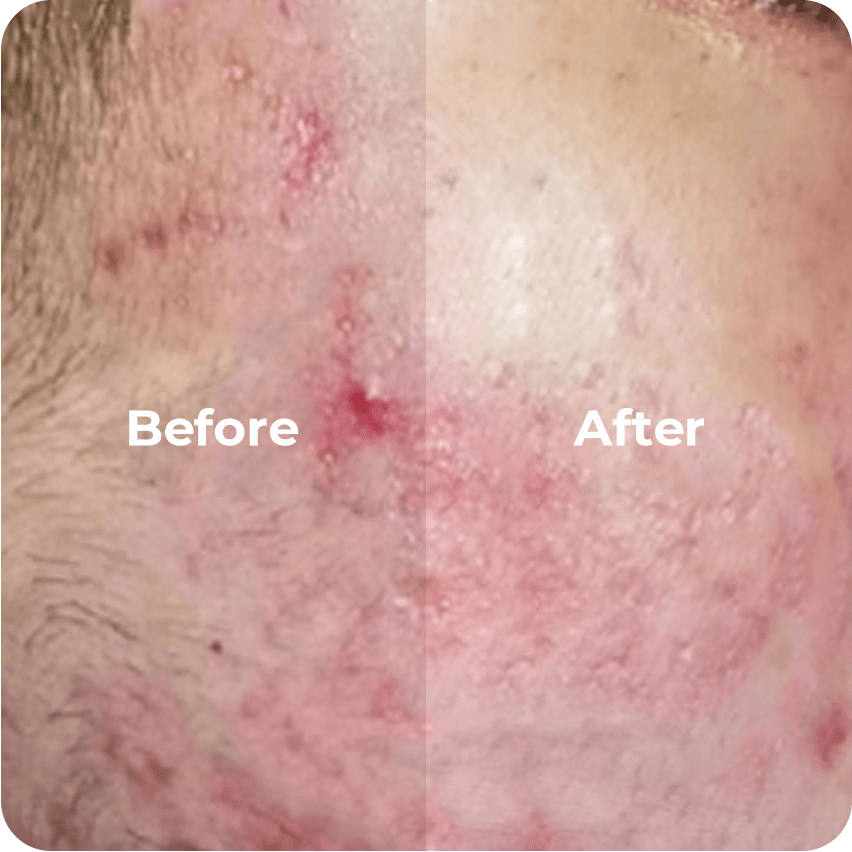
Focus on three technical features that translate into predictable outcomes: wavelength options, pulse duration control, and energy fluence. Wavelength determines chromophore targeting (vascular versus pigment), pulse duration affects thermal relaxation and safety, and fluence (energy per area) sets treatment efficacy. Devices that allow incremental adjustments help practitioners titrate treatments per Fitzpatrick skin type. If a machine lacks these controls, the risk of side effects rises and results become variable.
Safety and evidence — an anchor to real-world practice
Safety is not marketing copy; it is regulatory status and clinical protocol. In many countries, FDA-cleared IPL systems exist for skin rejuvenation—this regulatory clearance is a helpful signal about documented safety testing and manufacturing standards. On the ground, dermatology clinics in Taipei’s Xinyi district and major metropolitan centres use regulated IPL platforms in standardized treatment pathways, which reduces variability in real outcomes. This real-world anchor—regulated devices plus established clinic protocols—should guide your procurement and consent practices.
How to evaluate a machine — a user-centred checklist
When you compare models, verify these practical items: treatment presets for common indications, handpiece cooling efficacy, integrated safety interlocks, and service support for calibration. Also check whether the vendor provides training and consumables. Practical tip: request a live demo on consenting volunteers and run a split-face test with photographic documentation to observe differences in erythema and immediate tissue response. These steps help translate device specs into clinic-ready expectations.
Common mistakes clinics and users make — and how to avoid them
Overlooking protocol customization is the most frequent error. Many clinics adopt factory presets without adjusting for local patient demographics or for individual skin response—this leads to under-treatment or adverse events. Another mistake is skipping compatibility checks between the machine’s handpiece and the clinic’s cooling system or consumables. Finally, failing to perform gradual fluence escalation on first visits increases risk. Always include patch testing, incremental fluence increases, and photographic baseline documentation.
Alternatives and when they are better
IPL is versatile, but it is not always the ideal choice. For deep vascular lesions or tattoo removal, pulsed-dye or Q-switched lasers may outperform IPL due to narrower wavelength targeting. For textural improvement and collagen remodelling, fractional non-ablative lasers or radiofrequency microneedling can be preferable. If your priority is a broad, low-downtime rejuvenation for mixed pigment and superficial vascular concerns, then a modern IPL device—an ipl machine for skin rejuvenation with adjustable parameters—remains competitive.
Practical workflow tips for better outcomes
Integrate objective measures into routine care: standardized photography, pre- and post-treatment erythema scoring, and a simple pain scale. Create a consent process that explains expected improvement timelines (often several sessions spaced 3–6 weeks apart) and potential short-term effects like transient hyperpigmentation. Train staff on emergency protocols for burns or blistering. These operational details convert technology into patient trust.
EEAT and credibility — how to judge vendor claims
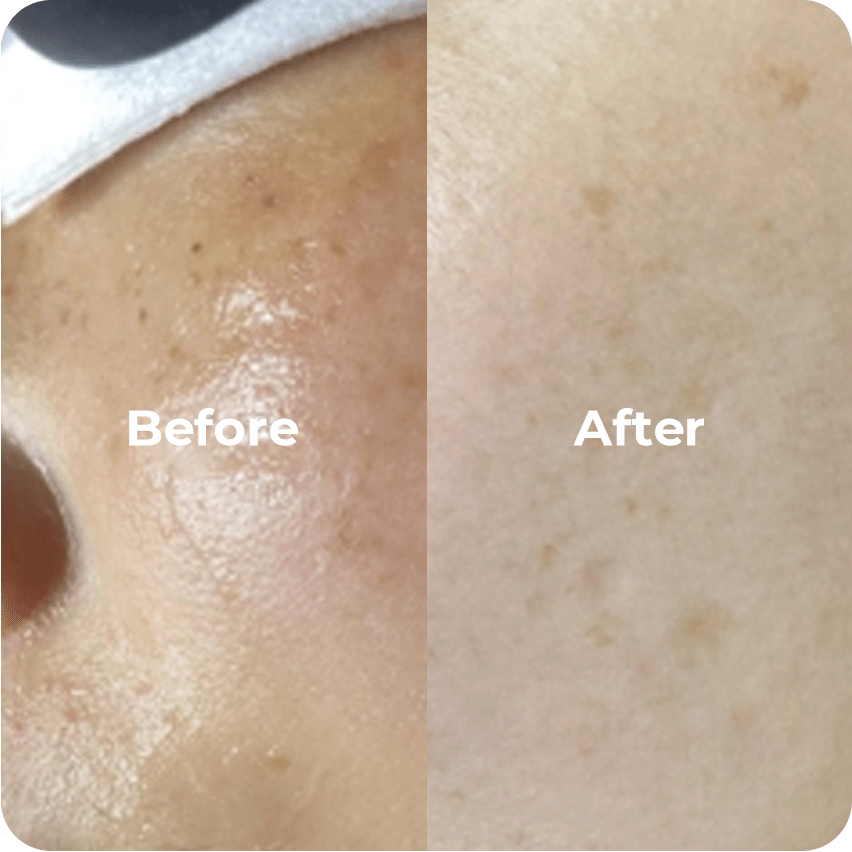
Evaluate claims through the EEAT lens: Experience (does the vendor provide clinical case series?), Expertise (are training modules developed by dermatologists?), Authoritativeness (are the devices used in regulated clinics?), and Trustworthiness (is there transparent service and warranty). Anchoring vendor claims to regulatory status (for example, FDA clearance) and peer practice patterns gives confidence beyond marketing language.
Advisory: three golden rules for choosing the right IPL strategy
1) Prioritize adjustable control: choose devices with variable wavelength, pulse duration, and fluence to match diverse skin types. 2) Verify clinic-readiness: confirm cooling, consumable compatibility, and staff training are included. 3) Demand evidence of safe use: look for documented outcomes in comparable patient populations and regulatory clearance where applicable. These metrics will reduce risk and improve consistency of results.
When selection feels complex, consider vendors who combine practical training, local service, and clear regulatory documentation — they convert device capabilities into reliable clinical value. ENZOEYS offers a product and support model designed to fit that need — making advanced control simple for everyday clinic use. —