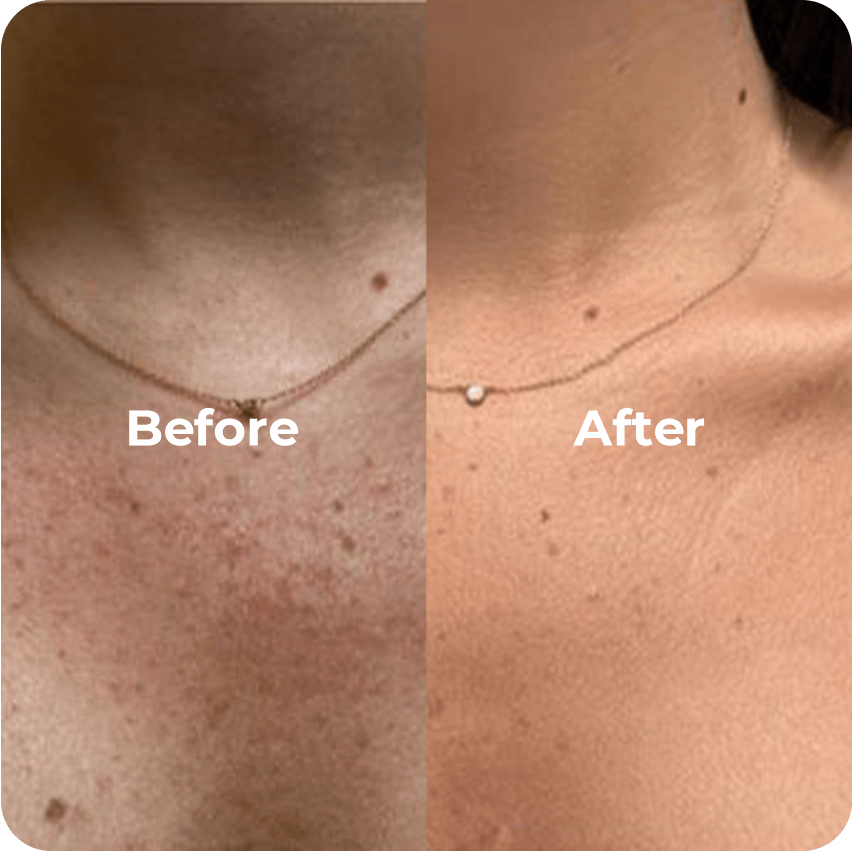
An evolutionary arc in device selection
Over the last two decades clinicians have moved from generic broadband IPL lamps to devices that deliver controlled, wavelength-specific energy with predictable tissue interaction. That shift explains why practices now evaluate not only pulse profiles and spot size, but the optical architecture that determines beam homogeneity and epidermal safety. Early in-office systems prioritized cost and power; contemporary adoption centers on reproducible outcomes. For a representative platform, consider the ipl skin rejuvenation machine that integrates engineered optics to reduce scatter and standardize fluence across the treatment field—an important factor in photorejuvenation protocols.

Technical anatomy: what “proprietary optical technology” actually means
In technical terms, optical refinement addresses three interdependent variables: beam uniformity, spectral control, and thermal management. Beam uniformity minimizes hotspots that cause epidermal injury; spectral control targets relevant chromophores (melanin, hemoglobin) while sparing off-target tissue; and integrated epidermal cooling controls the skin surface temperature during energy delivery. Pulse duration and fluence remain essential parameters, but optical delivery determines how reliably those parameters are expressed in vivo. The result is a narrower operational variance and more consistent photothermolysis with lower complication rates.
Clinical implications and real-world anchoring
For dermatologists and aesthetic surgeons, the practical outcome metrics are clear: reduced incidence of post-inflammatory hyperpigmentation, tighter control over erythema, and faster clearance of vascular and pigmented lesions when optical homogeneity is present. These outcomes are reinforced by regulatory context—FDA 510(k) pathways have emphasized demonstrated equivalence and safety—so device manufacturers that invest in optical testing and documented tolerances gain clinical trust. Adoption trends in tertiary clinics and outpatient dermatology centers reflect this: clinicians prefer platforms that minimize operator-dependent variability and enable standardized protocols.
Manufacturing perspective: why supply chain and engineering matter
From a production viewpoint, achieving consistent optical performance requires precision optics, stable component sourcing, and rigorous calibration protocols at scale. That is why reputable skin rejuvenation machine manufacturers publish calibration procedures, perform batch-level optical quality assurance, and provide traceable tolerance reports. When optics are assembled without strict process control, batch-to-batch variance manifests clinically as inconsistent fluence and uneven results—problems that are costly to remedy in deployed units.
Comparative alternatives and common clinical mistakes
Clinics still choose alternatives—Q-switched lasers for certain pigmented lesions or fractional lasers for textural change—because each modality has a distinct tissue interaction profile. Mistakes occur when operators assume IPL is interchangeable with narrowband lasers without adjusting parameters. Another frequent error is underestimating the role of coupling and contact techniques; poor skin contact or incorrect handpiece selection alters effective fluence. Lastly, skipping objective endpoint metrics (e.g., transient whitening for pigment protocols) leads to inconsistent sessions—so standardization matters more than anecdotal experience.
Implementation checklist for procurement and protocol design
When evaluating systems, consider these operational checkpoints:

- Optical uniformity data and variance tolerances across spot sizes.
- Documented cooling performance and real-time skin temperature monitoring options.
- Calibration and service interval specifications from the manufacturer.
- Availability of validated protocols for Fitzpatrick skin types and lesion categories.
Summary of lessons learned
Sequencing device evolution reveals a clear pattern: clinical preference shifted to platforms that reduce operator dependency by engineering predictable light–tissue interactions. Optical design is the lever that converts nominal parameters (fluence, pulse duration) into reproducible clinical effect. Investment in optics and QA at the manufacturing level translates directly into fewer adverse events and more consistent patient satisfaction—measurable outcomes that matter to busy practices.
Advisory: three golden rules for selecting an IPL platform
1) Prioritize demonstrable optical metrics: demand beam uniformity reports and variance specifications rather than marketing claims. 2) Verify thermal management and cooling integration: ensure the system provides measurable skin temperature control during treatment. 3) Insist on documented protocols and manufacturer support for your patient population, including calibration schedules and service SLAs.
The convergence of optics, safety engineering, and validated protocols is where real clinical value resides—an area where ENZOEYS has positioned its design philosophy as a direct response to practice needs. —