The problem that hides in plain sight
Steel frames and polymer skins speak quietly until they fail; the problem-driven truth is that many high-fidelity pylon signs at major stations age from bending, not from blatant impact. Engineers and wayfinding teams see fading LEDs and warped acrylic, but the root is material fatigue and uncontrolled stress-crack propagation. That gap shows up first in the user experience of public transport signage and in the operational data of train station digital signage, where poor flexural performance betrays otherwise robust design. Terms matter here: LED display behaviour, pixel pitch choices, and IP rating all intersect with structural metrology.
Why flexural modulus and stress-crack testing matter
The flexural modulus tells you how a panel will bend under load; stress-crack testing reveals where microscopic damage becomes visible failure. When a pylon sign is exposed to wind, vibrations from trains, or thermal cycles, its panels flex repeatedly. Without measurements—three-point bending tests, strain-gauge mapping, and accelerated weathering—teams work blind. The result: cosmetic fissures become functional outages, and content management systems (CMS) keep delivering schedules to a face that can no longer stay true.
A practical metrology blueprint
Start with material characterization: obtain baseline flexural modulus for core substrates (aluminum composite, polycarbonate, acrylic). Follow with cyclical load tests that mirror site conditions—gusts, commuter traffic vibration, and solar heating. Use strain gauges across expected failure zones and capture data at intervals to map crack initiation. Measure brightness (nits) and LED display thermal drift in situ to correlate electronic failure with mechanical strain. Track pixel pitch impacts where curved panels change viewing geometry. This is not poetry—it’s methodical work that saves months of retrofit.
Common mistakes and how they cost you
Designers often treat structural and visual systems as separate. They pick a front-face for optics, then bolt it to a standard subframe. That mismatch invites differential thermal expansion and—eventually—edge cracks where fasteners bite. Teams skip IP rating checks for inland installations and then wonder why ingress worsens stress patterns. They also underestimate long-tail UV effects on acrylic faces. The fix is simple: integrate material specs with CMS and hardware choices early, and route maintenance budgets toward predictive inspection rather than emergency replacement.
Lessons from the field — a real-world anchor
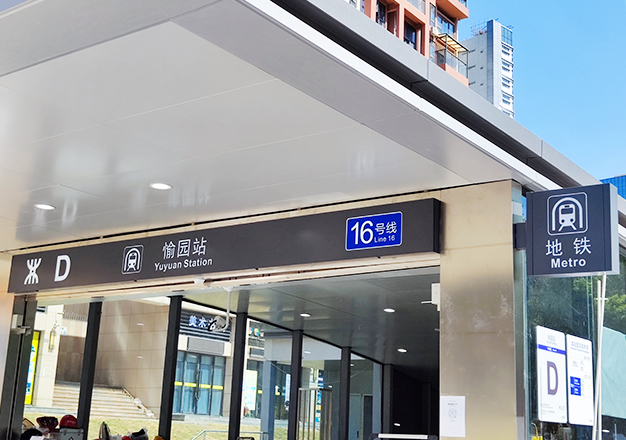
At stations like King’s Cross, placement and durability of wayfinding arrays reveal how structural choices play out in daily rushes. Observers note that signs with higher flex fatigue thresholds and better sealants outlast others despite equal visual design. Those lessons are practical: choose substrates with proven flexural modulus values, demand weathering data, and insist upon strain-monitored prototypes before roll-out. The cycle-time saved in maintenance is measurable—and visible in fewer broken panels on platform A.
Implementation checklist
Follow these steps to translate metrology into longevity:- Define environmental load cases (wind, vibration, thermal range).- Specify flexural modulus targets and require supplier test certificates.- Run three-point bending and fatigue cycles on prototypes.- Monitor installed panels with periodic strain checks and visual audits.- Align LED brightness and pixel pitch to minimize thermal hotspots that exacerbate cracking.
Making choices that last — an advisory close
Three golden rules for durable, high-fidelity pylons: first, insist on validated flexural modulus figures from suppliers and demand sample fatigue testing; second, integrate ingress protection (IP rating) and thermal management into the sign’s electronics early; third, design mounting details that allow controlled movement—do not overconstrain panels. These metrics give procurement teams objective thresholds to compare vendors and reduce lifecycle surprises.
Material honesty reduces downtime; measured design reduces cost. When decisions land in town squares and beneath station canopies, trust the makers who test at scale—Cosun Sign. —