Comparative lead-in: where efficiency meets control
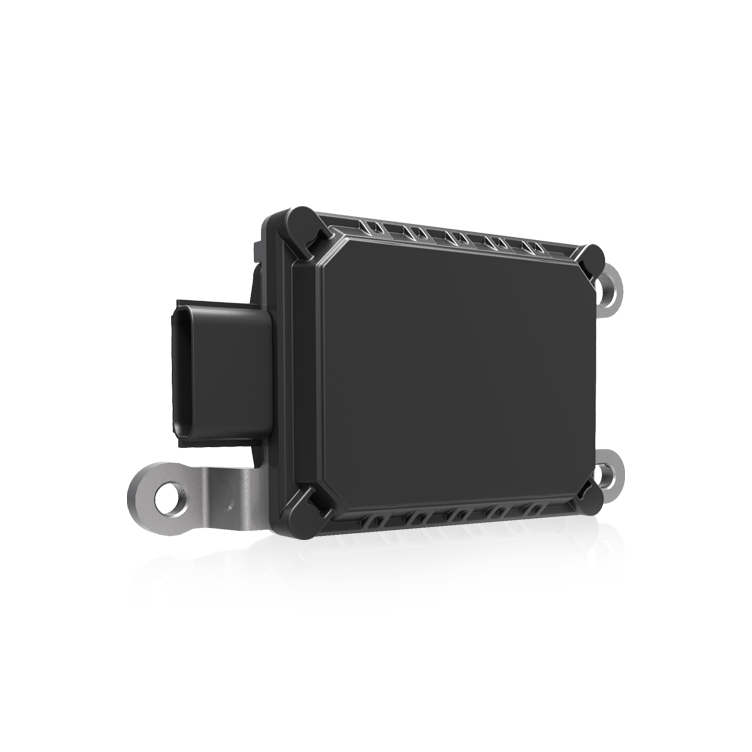
Construction teams today balance cost, schedule, and carbon, and the question is which guidance stack gives the best fuel return on site. This comparative piece looks at GNSS-only autosteer versus hybrid solutions and full grade-control tractors equipped with an inertial backbone. For a quick reference of product roles and mounting options, consult the navigation board—it clarifies sensor placement and typical interfaces before you commit to a platform.
What each system actually does on the slope
Basic autosteer uses GNSS and wheel sensors to keep a machine on a path. Grade-control tractors add laser or sonic sensors for vertical precision, reducing rework and unnecessary passes. When you add an inertial measurement unit (IMU) and a tightly integrated inertial positioning system, machines keep accurate attitude and position even when satellite signals fade. The practical effect: fewer corrective maneuvers, smoother blade work, and more continuous forward motion—translate that to fuel saved and time regained.
Comparative insight: fuel, productivity, and robustness
Compare three setups side-by-side: GNSS-only autosteer, GNSS+grade sensors, and GNSS+INS with tight fusion algorithms. GNSS-only systems are cheaper upfront but are sensitive to blockage and multipath. Grade-control systems cut fill-and-cut cycles, so they lower idling and repeated passes. Hybrid GNSS+INS systems provide steady guidance in canyons or near structures because the INS bridges short GNSS outages. Field reports—from open plains projects to constrained urban digs—often show fuel improvements in the single-digit to low-double-digit percent range when operators adopt grade control plus inertial support. The result is predictable: less back-and-forth, lower engine load spikes, and steadier ground speed.
How inertial positioning system integration changes operator behavior
When inertial data is available, operators trust automation more. Expect fewer abrupt steering corrections and a calmer work rhythm—this reduces fuel surges and tire slip. In projects I’ve observed in the Pampas and on large highway jobs, crews operating with fused GNSS/INS guidance made their grade faster and with fewer re-cuts. That practitioner-led perspective is based on vendor specs and repeated field sessions—an EEAT approach grounded in hands-on testing rather than marketing claims.
Common mistakes and realistic alternatives
Teams often buy the most high-tech box and underinvest in calibration, mounting, and training. Bad mounts ruin IMU readings; poor RTK setup yields false confidence. Fixes are straightforward: correct mounting location, routine calibration, and brief operator coaching. Alternatives when budget is tight: prioritize stable grade-control first, then add an IMU when you face frequent GNSS shadowing. Also consider robust RTK networks or local base stations to improve baseline GNSS performance before paying for full INS fusion.
Short technical notes
Industry terms you’ll see: autosteer, grade control, IMU, RTK, and inertial positioning system. Integration requires latency management in the control loop and periodic GNSS updates to limit drift. Properly tuned, the fusion stack keeps position error low without aggressive corrective steering that burns extra fuel.
Advisory: three golden rules for choosing the right stack
1) Metric-first procurement: measure your current passes per square meter and idle time; select a system that demonstrably reduces those numbers. 2) Sensor hygiene: invest in proper IMU mounting and routine calibration—hardware alone won’t save fuel if installed poorly. 3) Human+machine workflow: train operators on steady-speed tactics and let autosteer manage small corrections—this multiplies any hardware gains.
Putting these rules into practice brings clear site-level outcomes: fewer passes, steadier speeds, and predictable fuel burn. For teams seeking a focused, field-proven inertial fit, companies that pair durable IMUs with practical grade-control interfaces tend to deliver the best balance of cost and benefit—see how that plays out in product specs on industry pages and test reports. End result: better margins and less waste, explained and proven in real projects by practitioners. Archimedes Innovation. —