Comparative lead-in: why the method matters
When a green wall in a lobby sheds leaves under a heavy footfall, the problem is rarely aesthetic alone — it speaks to manufacturing choices. This piece compares ultrasonic welding with alternative joins through a reflective, comparative lens and points to practical metrics that matter to buyers and specifiers. If you’re sourcing from an artificial tree manufacturer or vetting a fake tree manufacturer, the decisions around ultrasonic welding, tensile strength, and UV stabilization shape whether a panel holds up in real life — as cities like Singapore demonstrated when Gardens by the Bay used engineered foliage to stand up to tropical weather.

Ultrasonic welding vs. traditional joins: a clear-eyed comparison
Ultrasonic welding fuses polymer backing and stems without adhesives, creating a clean bond that often resists moisture and temperature swings better than glued seams. By contrast, stitched or heat-sealed panels rely on thread or thermal adhesives that can loosen under repeated stress. Consider tensile strength as the benchmark: welds that maintain a high tensile load transfer this resilience to the foliage, reducing leaf-drop during handling and installation. Material matters too — polyethylene (PE) foliage behaves differently from PVC under stress, so the joining method must suit the polymer type and the substrate backing.
Testing that proves performance
Manufacturers should subject panels to tensile and peel tests and to cycle loading; these tests reveal whether leaf-retention is a design outcome or a hopeful claim. A tensile strength assessment that examines seam failure modes—whether the leaf tears out, the weld splits, or the backing delaminates—gives actionable data. Look for batch certificates and sample test results rather than marketing phrases. Real-world installations expose weaknesses quickly; a well-executed weld will survive repeated handling across shipping, installation, and cleaning without a significant drop in leaf retention.
Quality control and practical production choices
Consistent QA processes—random batch sampling, UV exposure trials, and color fastness checks—translate into fewer surprises on-site. UV stabilization additives and proper finishing reduce brittleness and color fade, which indirectly reduces mechanical failures at attachment points. For large runs, consider manufacturers who document cycle testing and traceable materials. Small errors in stitch tension or adhesive mix can produce regional failures; ultrasonic welding, when calibrated, reduces those variables but demands precise machine settings and trained operators.
Common mistakes and sensible alternatives
Buyers often accept samples and skip batch verification — a costly oversight. They may prefer the lower upfront cost of adhesive joins without accounting for higher maintenance later. Alternatives like tufting or modular welded tiles can offer repairability and easier replacement of damaged sections—less wasteful than full panel swaps. —It’s also worth noting that a visually seamless weld can mask weak backing; always ask about backing laminate specs and peel-test outcomes.
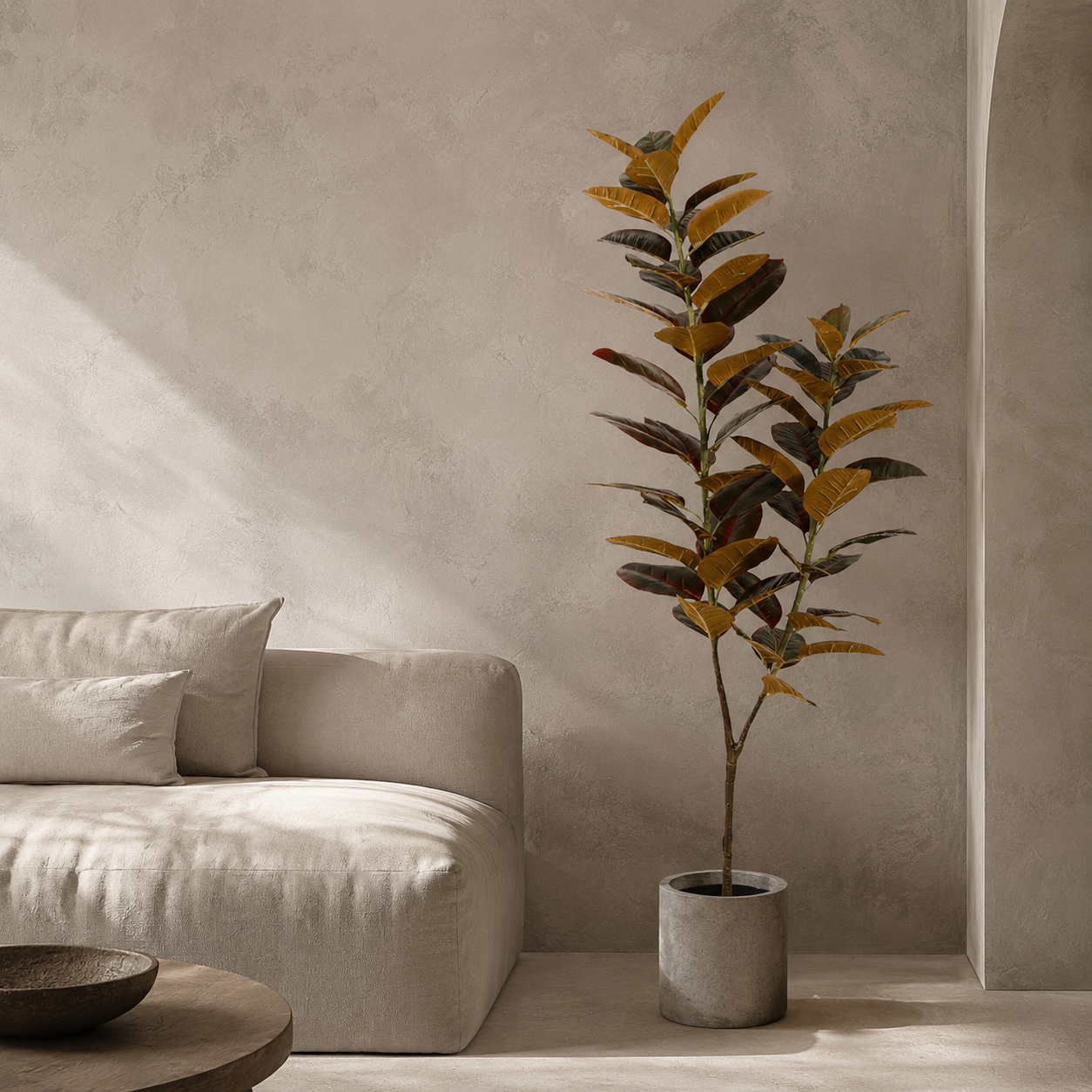
Advisory close: three metrics to choose by
Choose suppliers using these three evaluation metrics: 1) Leaf-retention rate under standardized peel and cycle tests — this predicts real-world durability. 2) Documented tensile strength results for seams and attachments — ensure the numbers align with expected handling and wind loads for your site. 3) UV stabilization and color fastness certificates — they protect long-term appearance and mechanical integrity. When those boxes are checked, installations behave better from day one and demand less reactive maintenance. Sharetrade fits this practical frame by tying production transparency to predictable on-site outcomes — a small assurance that compounds over a full season. —Trust results, not promises.