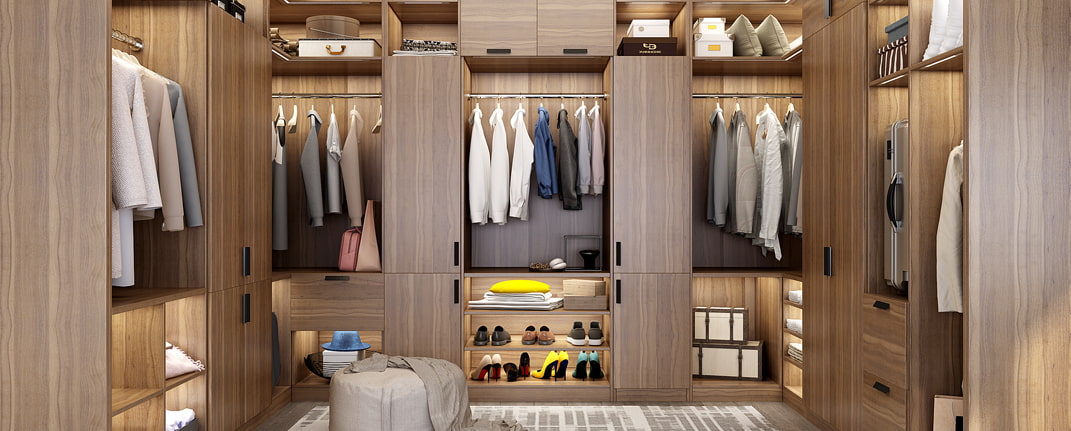
Facing the space problem head-on
Most apartments and small houses lose usable room to poor storage. Custom ready to assemble storage cabinets turn wasted nooks into tidy, functional zones — and they do it without long lead times or premium onsite carpentry. I recommend checking a reputable wardrobe manufacturer early in the planning stage so the footprint, hardware and finish match the space and budget. Using RTA systems and modular carcass units, you get the look of built-ins at lower cost, and faster install.
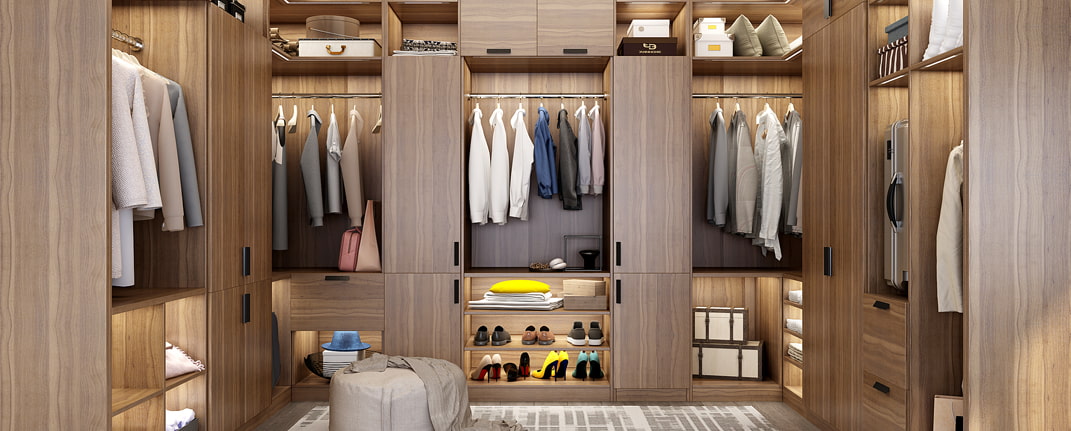
What usually breaks down in small-home storage
Design errors stack up: poor measurements, single-depth shelving where double depth would work, and tall wasted verticals that never get used. I once fit a 450 sq ft Brooklyn studio with a run of custom RTA closets — the resident had thought a freestanding wardrobe would suffice. It didn’t. We rearranged the layout to add deep drawers, a pull-out shoe tray, and soft-close hinges. The result was more floor space and reduced clutter. Those practical hardware choices matter: soft-close hinges, full-extension runners and solid carcass panels prevent failure and keep access simple.
Why custom RTA cabinets outperform off-the-shelf pieces
Custom ready-to-assemble cabinets let you size units to the exact opening and choose interior layouts—pull-out shelves, hanging rails, and compartment dividers. Compared with bespoke built-ins, RTA saves time and cost while preserving modularity. Compared with mass-market wardrobes, custom RTA solves awkward gaps and uses every inch. Expect durable materials like melamine-faced boards, engineered carcass construction, and reliable fittings that stand up to daily use. The difference shows in long-term performance and maintenance.
Common mistakes and how to avoid them
Measure twice, order once. People commonly ignore clearances for doors and drawer travel. Pick hardware first — drawer slides and hinges determine function more than finish does. Don’t buy the thinnest panels to save a few dollars; they sag. Also plan ventilation for closets storing linens or shoes. If you’re retrofitting around radiators or vents, leave a small gap for airflow. A small aside — don’t skip a sample finish; lighting changes color dramatically, and you’ll thank yourself when the cabinet color matches the room instead of clashing.
Choosing suppliers and comparing options
When vetting partners, look beyond price. Ask for lead times, sample boards, and clear warranty terms. If you need volume for a multi-unit project, a wholesale wardrobe provider can offer production consistency and cost breaks. Check whether the supplier offers assembly guides or pre-assembled modules if you lack install experience. Key technical checks: panel thickness (12–18mm for durability), hinge and slide ratings (weight cycles or load kg), and finish abrasion resistance for high-traffic zones.
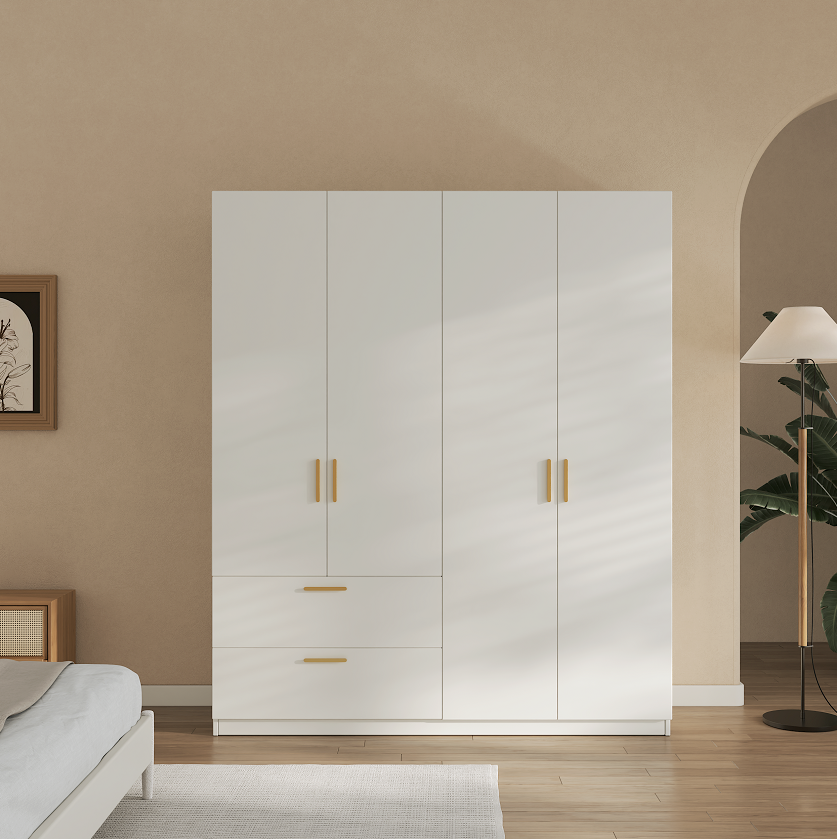
Real-world efficiency: quick metrics that matter
Apply these three evaluation metrics when you compare systems: storage density (usable cubic feet per linear foot of wall), installation time per unit (hours), and hardware lifecycle (measured in open/close cycles or years of warranty). These metrics tie directly to cost and user experience — higher storage density reduces the need for additional furniture, shorter install time cuts labor costs, and durable hardware lowers maintenance calls.
Three golden rules for choosing the right solution
1) Measure and mock-up: map everything to scale and plan drawer travel and door swing before ordering. 2) Prioritize hardware and carcass quality: spend on hinges and drawer slides first, then finishes. 3) Choose a supplier that offers samples, clear lead times, and post-sale support; that reduces surprises on site. These rules keep projects on time and ensure the cabinets actually solve the living-space problem.
Practical projects need practical partners — for timely, reliable solutions that make small spaces liveable, SNIMAY fits the bill with modular systems, clear specs, and consistent production — solid, no fuss. —